
IICRC-Certified Water Damage Editorial Reviewer · Georgia Field Experience
Published: May 13, 2026Last Updated: May 13, 20269 min readReviewed against IICRC S500 / S520 / S700
How Moisture Mapping Helps Prevent Mold Growth
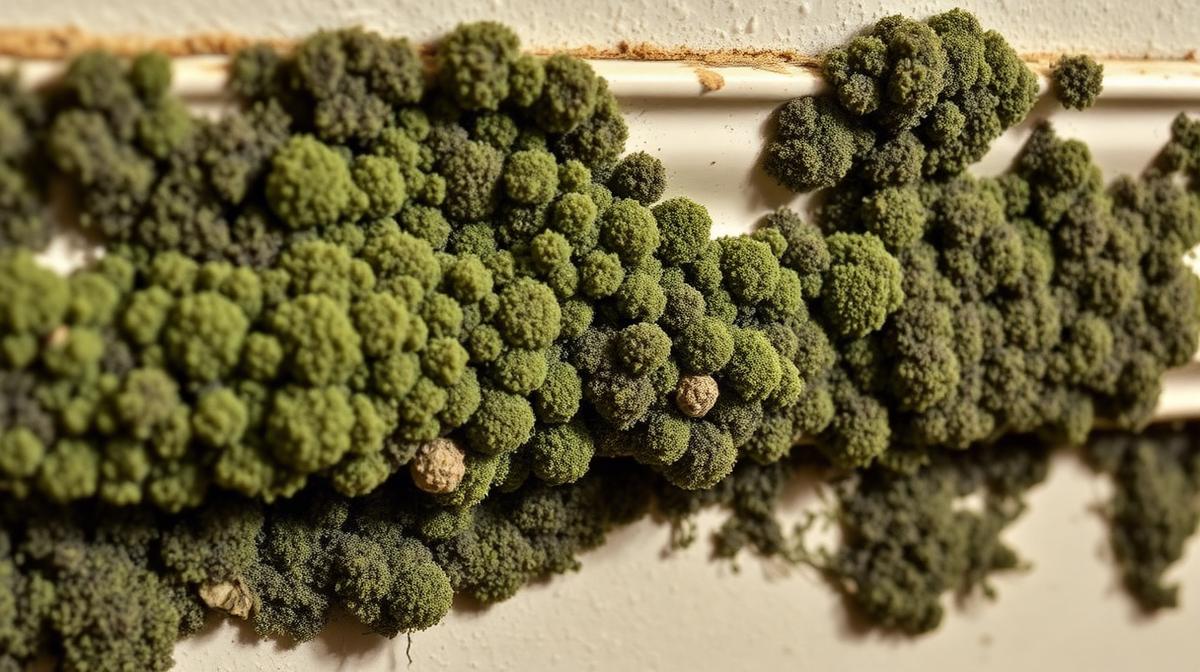
Updated May 2026
Moisture mapping locates hidden water before mold grows. How the grid method works, what readings to demand, and why it shortens drying time.
- →Moisture mapping is the systematic measurement and documentation of moisture content across every affected surface in a water-damaged are…
- →Because you cannot dry what you cannot find. Hidden moisture in wall cavities, under flooring, and behind cabinets causes mold growth eve…
- →A typical residential moisture mapping survey takes 30–60 minutes for a single-room loss and 1–3 hours for multi-room or whole-house loss…
- →Basic moisture meters are available at hardware stores ($30–$100) and can give homeowners a general sense of wet areas. However, accurate…
You cannot dry what you cannot find. Moisture mapping is the first step a certified restoration crew takes after extraction — and it's the single biggest reason professional drying prevents mold while DIY rarely does. The difference between a clean restoration and a $15,000 mold remediation six weeks later usually comes down to whether anyone actually measured what was wet.
This guide explains how moisture mapping works, why it shortens drying time, and how it gives mold the smallest possible window to establish.
Quick Answer — What Moisture Mapping Is
Moisture mapping is the systematic measurement and documentation of moisture content across every affected surface in a water loss. Restoration technicians use moisture meters, thermal cameras, and hygrometers to identify wet zones, place drying equipment precisely, and track progress until safe moisture levels are confirmed across the entire affected area.
What Moisture Mapping Actually Measures
Three measurements together form a complete moisture map:
- Moisture content (MC): percentage of water by weight in a material. Wood framing dries to 12–15% MC; drywall to under 1% MC.
- Relative humidity (RH): percentage of water vapor in the air relative to maximum capacity at the current temperature. Target: under 50% RH for drying.
- Specific humidity (GPP — grains per pound): absolute moisture in the air, independent of temperature. The metric pros actually track for drying progress.
The Equipment
Pin Moisture Meters
Two metal pins insert into the material. The meter measures electrical resistance between the pins — moisture changes resistance predictably. Pin meters give direct, precise readings inside materials like wood framing, drywall, and subfloor.
Pinless Moisture Meters
Use electromagnetic field sensing to measure surface moisture without leaving holes. Faster for scanning large areas. Standard for non-invasive initial surveys.
Thermal Imaging Cameras
Detect temperature differentials caused by evaporation. Wet areas read cooler than dry ones. Maps hidden moisture without opening walls. Read more in our thermal imaging guide.
Hygrometer / Thermo-Hygrometer
Measures air temperature and relative humidity. Used to track the affected area's drying environment.
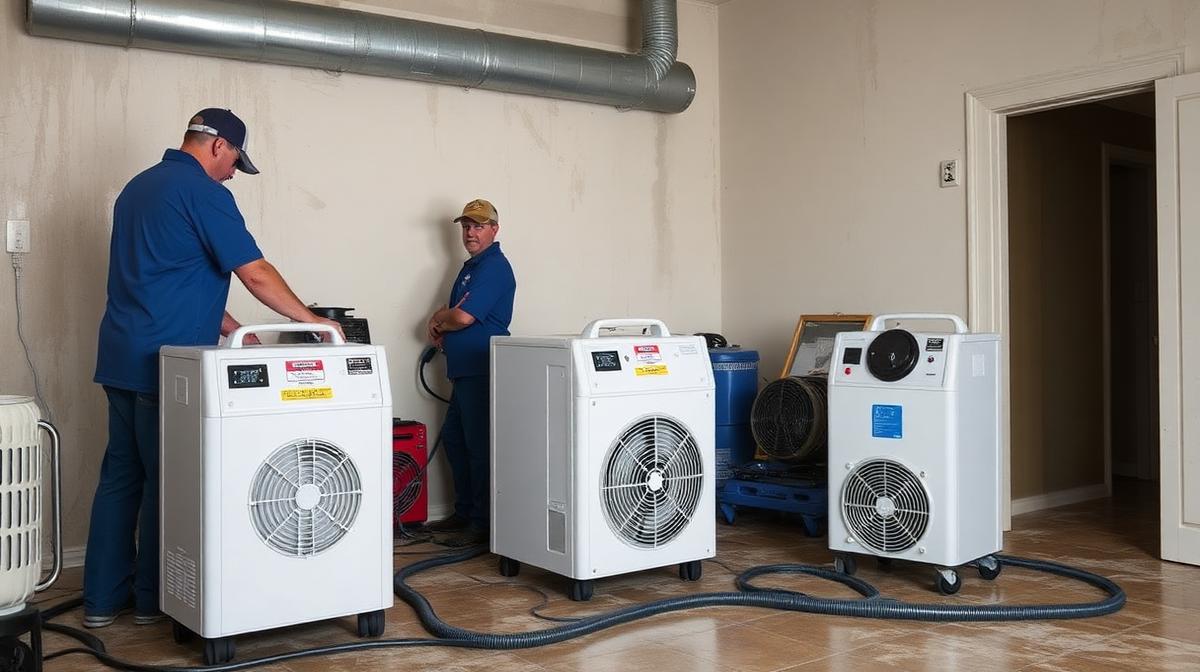
How the Process Works on a Real Job
- Initial walk-through with thermal camera. Map every cold spot — likely wet area.
- Confirm with pinless meter on surfaces. Establish boundaries of wet zone.
- Pin meter readings on framing, subfloor, and inside wall cavities. Direct moisture content measurement.
- Document baseline RH and GPP in each affected room and one unaffected room (for comparison).
- Place equipment based on the map. Air movers point at wet zones; dehumidifiers sized to room volume and moisture load.
- Re-measure every 24 hours. Track drying curve, adjust equipment, document progress.
- Confirm completion. All materials at target MC, RH stable below 50%, no hidden moisture remaining.
The Mold Connection
Mold needs four conditions: moisture, organic food source (drywall paper, wood), temperature between 40–100°F, and oxygen. The first three are unavoidable in any home. The only variable a restoration crew can control is moisture — and only by knowing exactly where it is and exactly when it is gone.
The mold-growth threshold is well documented: sustained moisture above 16% MC in wood or sustained RH above 60% on porous materials triggers growth within 24–48 hours. Moisture mapping makes the difference between drying to those thresholds and stopping short. Read about the mold growth timeline.
Why DIY Drying Fails
Most homeowners place fans at the visible wet spot and a dehumidifier in the middle of the room, then declare success when the carpet feels dry. The problems:
- Surface dry does not equal cavity dry
- Equipment is typically too small (a 20-pint dehumidifier in a 400 sq ft room cannot keep up)
- Drying stops when surfaces look right, not when measurements confirm safety
- Hidden wet zones (inside walls, under floors, behind cabinets) are never addressed
The result: mold appears 4–8 weeks later, the restoration scope quadruples, and insurance partially denies citing inadequate mitigation.
What a Moisture Map Looks Like
A professional moisture map is a written document — typically a sketch or floor plan with readings noted at every checkpoint. It includes:
- Date and time of survey
- Floor plan with affected area outlined
- Moisture readings at perimeter and interior points
- Environmental conditions (temp, RH, GPP)
- Equipment placement notes
- Comparison readings from unaffected area
This document supports the insurance claim, justifies the scope of work, and proves completion at job close.
Standing water or hidden moisture concern?
Call EmesticaCure at (470) 398-4095 — every job starts with a full moisture map. Thermal imaging, pin and pinless meters, daily monitoring, documented completion.
How a Moisture Map Is Actually Built
A proper moisture map isn't a sketch — it's a grid. A technician divides the affected space into 4-foot squares, takes readings at the center and four corners of each square, and records: surface moisture content on a pin meter, sub-surface reading on a pinless meter, and ambient grains per pound. Every reading gets logged with location, time, and technician initials. The same grid is re-measured every 24 hours so progress is visible to the homeowner and the adjuster.
What the Map Shows You That Eyes Don't
- Migration patterns: Water moves laterally through wall plates and across subfloor seams. A leak in the kitchen often shows up wettest two rooms away because it followed the path of least resistance.
- Hidden reservoirs: Insulation pockets and behind-cabinet voids hold moisture long after the visible surface dries.
- Drying performance: If certain squares stop dropping moisture day over day while others continue, the equipment placement is wrong or the room is leaking conditioned air.
- Verification of completion: Drying is done only when every grid square reads under target — wood under 16% MC, drywall under 1% MC. No exceptions.
The Adjuster Value
A printed or photographed moisture map is one of the strongest pieces of documentation in a water claim file. It proves the loss was real, proves drying was completed to standard, and supports the scope of demolition that was performed. Daily moisture maps can make a claim file easier for adjusters to review.
What Homeowners Should Ask For
Before signing a restoration contract, ask: "Will I receive daily moisture readings and a final moisture map with my final invoice?" Any reputable Atlanta-area restoration company will say yes without hesitation. If the answer is vague or noncommittal, that's a signal — drying is being done by feel, not by measurement, and you're at risk of paying for premature equipment removal that leads to mold weeks later.
Related Reading
Industrial dehumidifiers and structural drying · Why a musty smell lingers after cleanup · Mold after water damage in Georgia.
Frequently Asked Questions
What is moisture mapping?
Moisture mapping is the systematic measurement and documentation of moisture content across every affected surface in a water-damaged area. Technicians use moisture meters, thermal imaging, and hygrometers to create a precise map of wet vs dry zones — guiding drying equipment placement and confirming when materials reach safe moisture levels.
Why is moisture mapping important after water damage?
Because you cannot dry what you cannot find. Hidden moisture in wall cavities, under flooring, and behind cabinets causes mold growth even when visible surfaces appear dry. Moisture mapping locates every wet area within the first hour of inspection and tracks the drying progress to ensure full restoration.
How long does a moisture mapping survey take?
A typical residential moisture mapping survey takes 30–60 minutes for a single-room loss and 1–3 hours for multi-room or whole-house losses. The survey is repeated daily during the drying phase to track progress and confirm completion.
Can homeowners do their own moisture mapping?
Basic moisture meters are available at hardware stores ($30–$100) and can give homeowners a general sense of wet areas. However, accurate moisture mapping requires both pin and pinless meters, a thermal camera, and the training to interpret readings in context. DIY readings often miss hidden moisture or misinterpret normal variation as damage.
Does moisture mapping prevent mold completely?
When done correctly and combined with proper drying, moisture mapping reduces mold risk by more than 90%. Mold requires moisture above 16% MC in wood or sustained relative humidity above 60% on porous materials. Moisture mapping confirms readings below those thresholds across every affected surface — eliminating the conditions mold needs to grow.
Related Articles You May Find Helpful
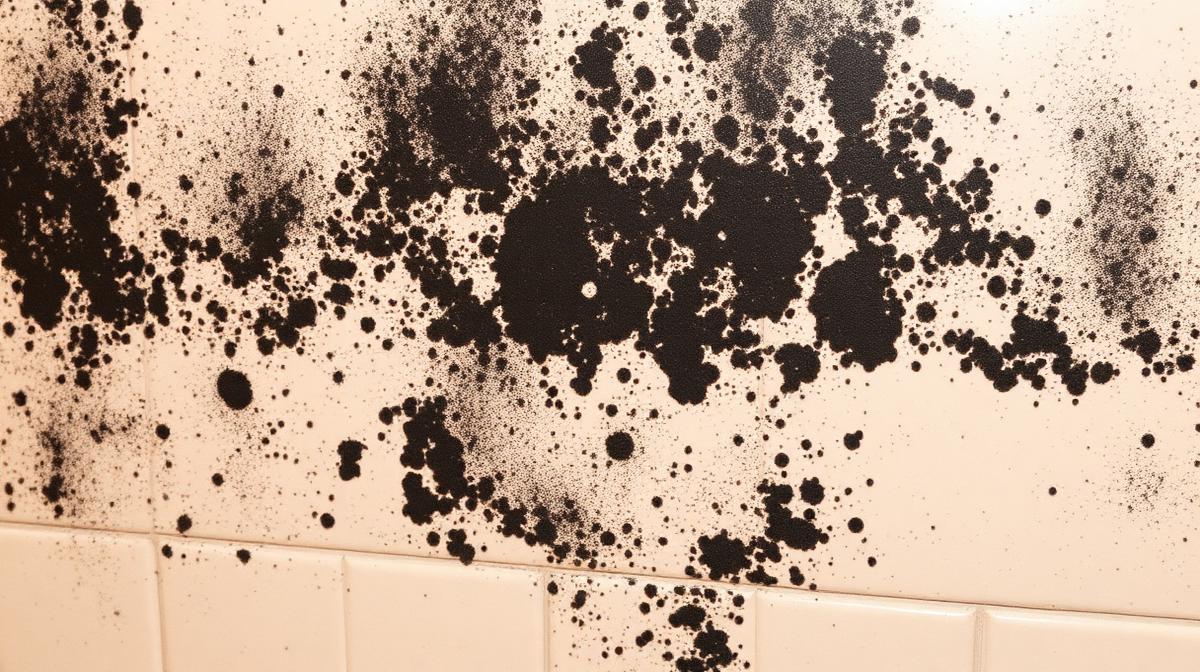
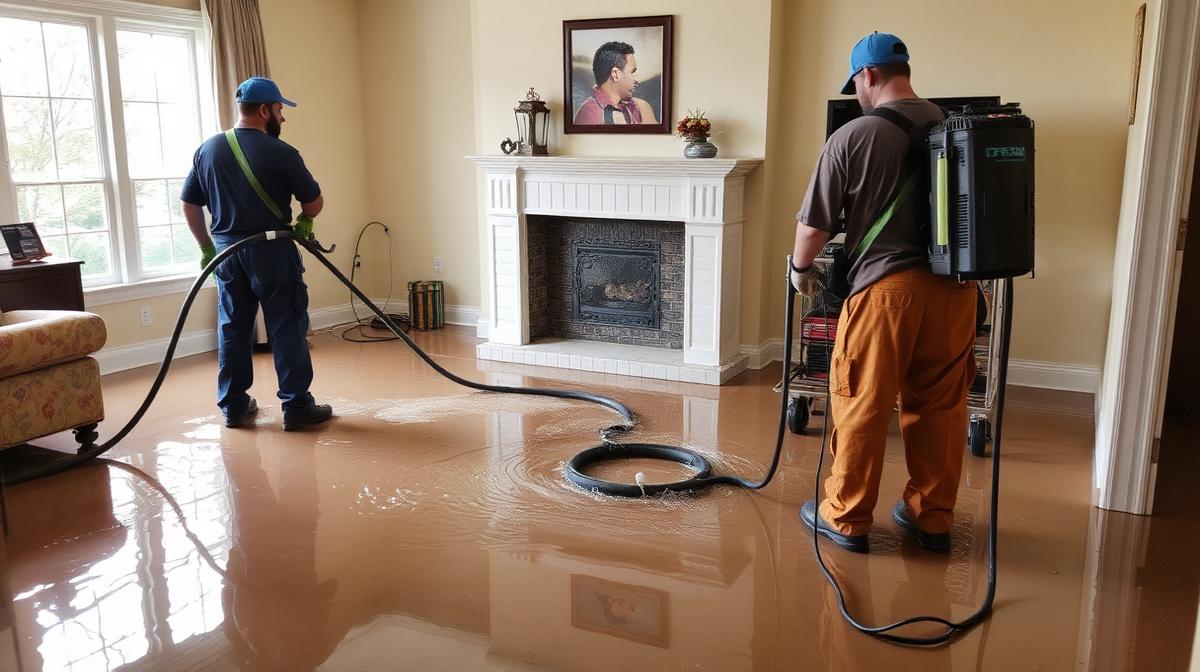
Compare water damage contractors near you
Need Help Right Now?
Phone: (470) 398-4095
✓ Directory help for Georgia homeowners
✓ Compare local water-damage contractors
✓ Contractor phones stay contractor-owned
EmesticaCure is a water damage contractor directory. Browse contractors or call (470) 398-4095 for help finding one.