IICRC-Certified Water Damage Editorial Reviewer · Georgia Field Experience
Published: April 5, 2026Last Updated: April 13, 20269 min readReviewed against IICRC S500 / S520 / S700
Black Mold in Georgia Homes: Identification, Health Risks, and Removal
Black mold thrives in Georgia's humidity. How to identify it, health symptoms, where it hides, and why bleach doesn't work on porous surfaces.
A family in Kennesaw noticed their 8-year-old's asthma getting worse every week. The pediatrician suggested checking for mold. A home inspector found Stachybotrys — black mold — covering the entire backside of their master bathroom wall. It had been growing behind the tile for over a year from a slow shower pan leak.
This guide covers how to identify black mold, where it hides in Georgia homes, health risks, and why DIY bleach doesn't work. Need professional help? Browse the water damage contractor directory.
What Black Mold Actually Is
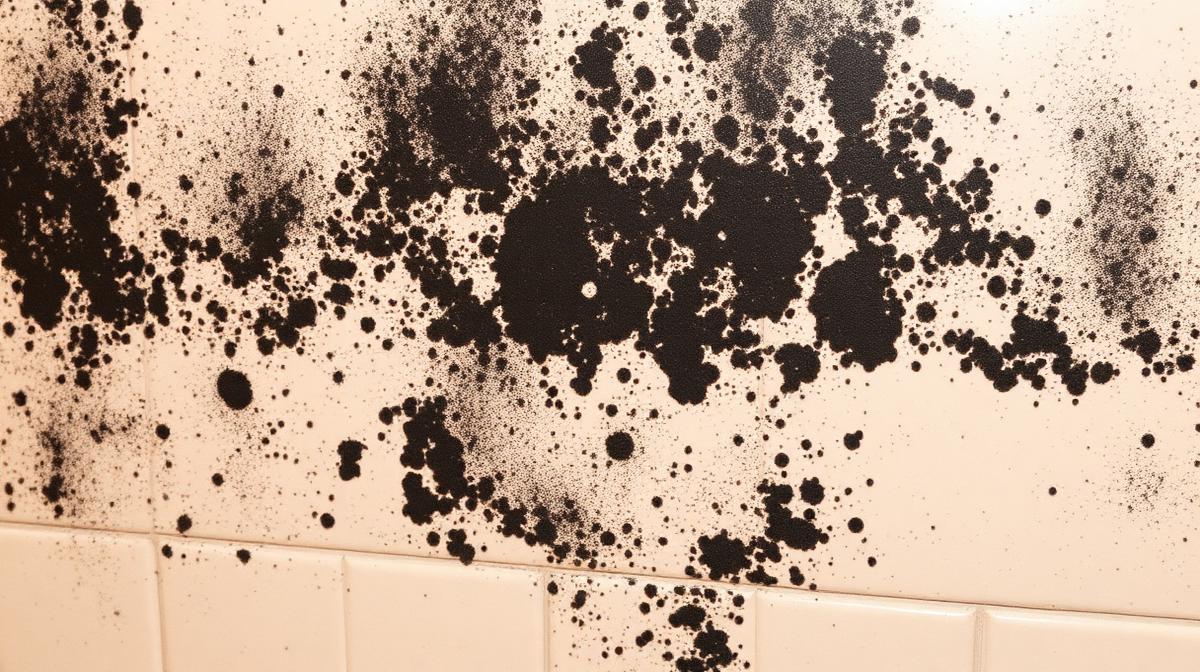
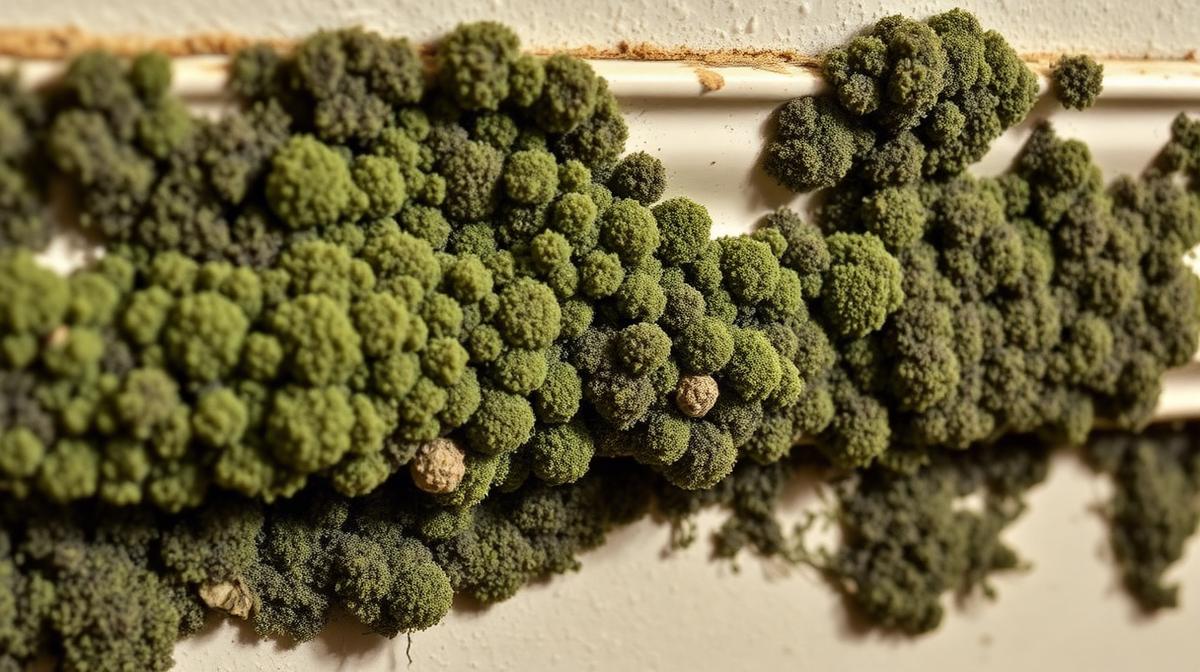
Stachybotrys chartarum — a specific mold species, not just any dark-colored mold. Not all dark mold is "black mold." Cladosporium (common, dark green) and Aspergillus are far more common and less dangerous. True identification requires lab testing.
How to Identify It
- Color: dark greenish-black
- Texture: slimy when wet, powdery when dry
- Smell: strong musty, earthy odor
- Location: always on cellulose-rich materials — drywall paper, wood, cardboard
Where It Hides in Georgia Homes
- Behind shower walls (poor bathroom ventilation traps moisture)
- Under kitchen sinks (slow drips nobody notices for months)
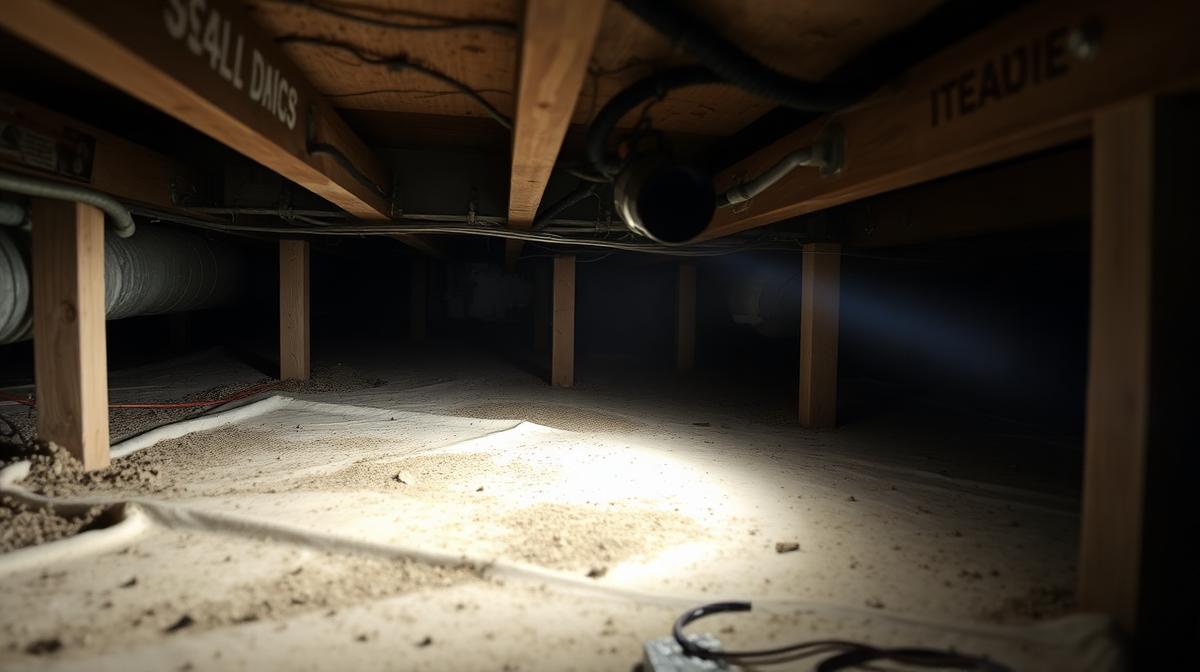
- Inside crawl spaces (ground moisture rises — Georgia's clay soil holds water)
- Around HVAC drip pans (condensation collects, pan overflows)
- Behind vinyl wallpaper (traps moisture — common in older Georgia homes)
Don't wait for damage to spread.
Call EmesticaCure at (470) 398-4095 for help finding water-damage contractor options.
Why DIY Bleach Doesn't Work
Bleach kills surface mold on NON-POROUS surfaces like tile and glass. It does NOT kill mold ROOTS (hyphae) inside POROUS materials like drywall and wood. The surface looks clean for 2–4 weeks, then mold regrows from the roots still alive inside. Only solution: remove and replace affected porous material entirely.
Professional Removal Process
- Containment with plastic sheeting and negative air pressure
- HEPA air filtration throughout removal
- Remove all affected porous materials
- HEPA vacuum all surfaces
- Antimicrobial treatment on remaining structure
- Air quality testing post-removal
- Reconstruction with new materials
Georgia homes built before 2000 often lack proper vapor barriers in crawl spaces. Homes in Cherokee County and Forsyth County built on sloped lots trap moisture against the uphill foundation wall.
How to Use EmesticaCure
Use EmesticaCure to compare contractors who discuss IICRC-style containment, removal, and documentation. Related: crawl space mold solutions | mold growth timeline | hidden water damage signs
Browse Atlanta contractor listings or the Georgia water damage contractor directory.
Related Articles You May Find Helpful
Compare water damage contractors near you
Need Help Right Now?
Phone: (470) 398-4095
✓ Directory help for Georgia homeowners
✓ Compare local water-damage contractors
✓ Contractor phones stay contractor-owned
EmesticaCure is a water damage contractor directory. Browse contractors or call (470) 398-4095 for help finding one.