
IICRC-Certified Water Damage Editorial Reviewer · Georgia Field Experience
Published: April 7, 2026Last Updated: April 13, 20269 min readReviewed against IICRC S500 / S520 / S700
Mold in Your Georgia Crawl Space? Causes, Risks, and Solutions
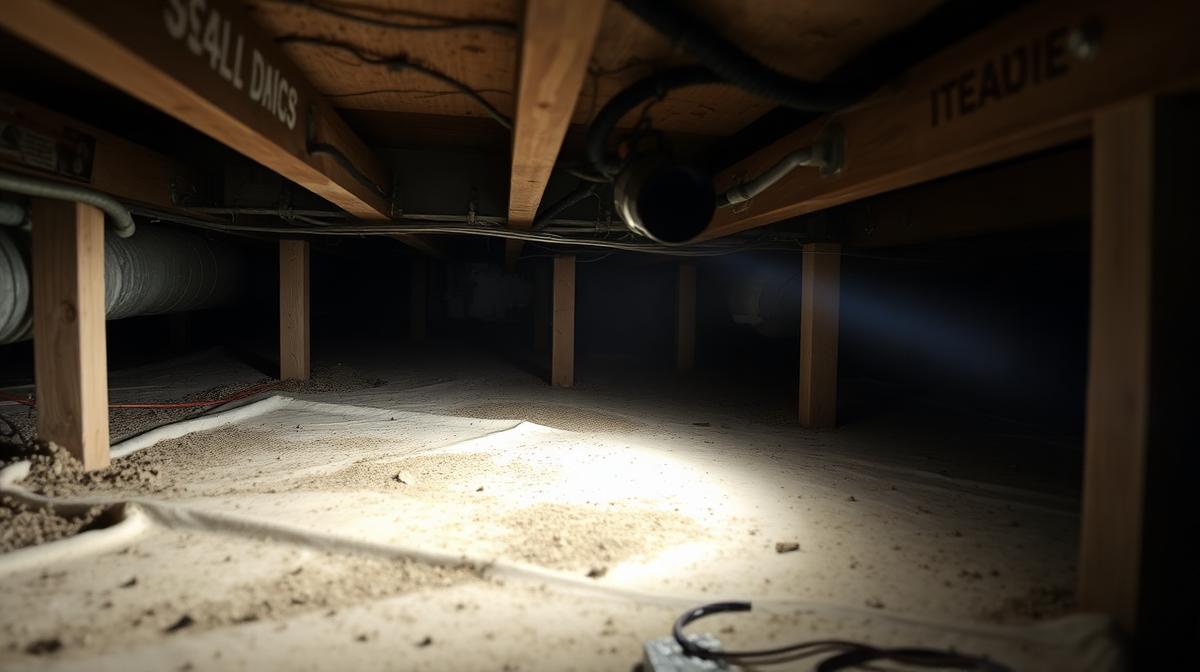
Georgia's red clay and humidity make crawl spaces mold breeding grounds. Causes, health risks, and professional encapsulation solutions.
A home inspector in Canton crawled under a 1988 ranch house for a pre-sale inspection. Every floor joist had visible mold growth. The subflooring was soft and discolored. The buyer's loan fell through. The sellers had no idea — they'd lived there for 12 years and never once looked in the crawl space.
This guide covers why Georgia crawl spaces are mold magnets, the signs you can spot from inside your house, and the only permanent solution. Need professional help? Browse the water damage contractor directory.
Why Georgia Crawl Spaces Are Mold Magnets
Georgia red clay has near-zero permeability — water pools on the surface and evaporates upward as moisture vapor directly into the crawl space. Pre-1990 homes were built with vented crawl spaces, but in Georgia this does the OPPOSITE: it pulls 80% humidity air INTO the crawl space year-round.
No vapor barrier on the ground in older construction means bare dirt constantly releases moisture. HVAC ductwork in crawl spaces sweats from condensation — cold duct surfaces in hot humid air creates a constant water source.
Signs from Inside the House
- Musty smell on ground floor — "stack effect" pulls air from crawl space upward
- Indoor humidity above 55% even with AC running
- Hardwood floors cupping or buckling (moisture swelling from below)
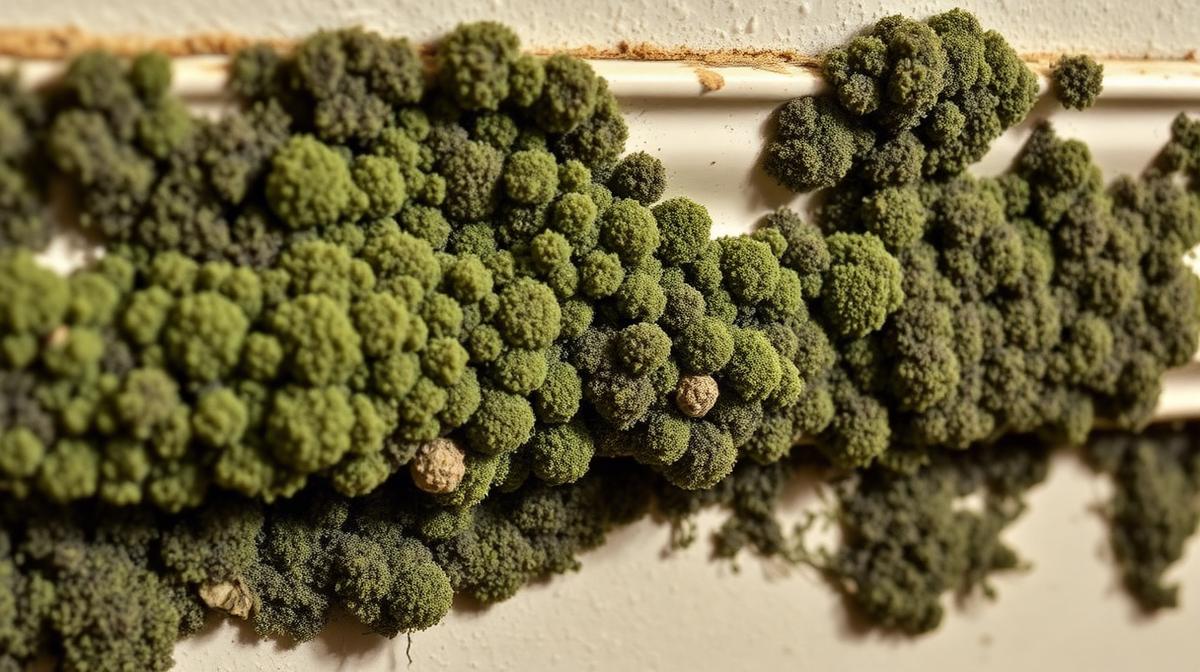
- Visible mold on floor joists when you look into crawl space
Health and Structural Risks
40–60% of the air you breathe on your first floor comes from the crawl space. Mold weakens wood over time — floor joists lose structural integrity. Severe cases require structural sistering at $5,000–$15,000.
Don't wait for damage to spread.
Call EmesticaCure at (470) 398-4095 for help finding water-damage contractor options.
Encapsulation: The Only Permanent Solution
- Containment and HEPA air filtration
- Mold removal and antimicrobial treatment
- Full encapsulation: 20-mil vapor barrier on ground AND walls
- Close and seal crawl space vents (counterintuitive but critical in Georgia)
- Install commercial dehumidifier set below 50% humidity
Budget: $5,000–$15,000 for full encapsulation. ROI: prevents $10,000–$30,000+ in structural damage. North Georgia mountain homes (Cherokee, Forsyth, Hall, Lumpkin County) and Atlanta-area homes built before 1990 are highest risk.
How to Use EmesticaCure
Use EmesticaCure to compare contractors for crawl-space moisture, mold, and water-damage questions. Related: black mold identification | basement flooding causes | mold growth timeline
Browse Atlanta contractor listings or the Georgia water damage contractor directory.
Related Articles You May Find Helpful
Compare water damage contractors near you
Need Help Right Now?
Phone: (470) 398-4095
✓ Directory help for Georgia homeowners
✓ Compare local water-damage contractors
✓ Contractor phones stay contractor-owned
EmesticaCure is a water damage contractor directory. Browse contractors or call (470) 398-4095 for help finding one.