
IICRC-Certified Water Damage Editorial Reviewer · Georgia Field Experience
Published: April 3, 2026Last Updated: April 13, 20268 min readReviewed against IICRC S500 / S520 / S700
How Fast Does Mold Grow After Water Damage in Georgia?
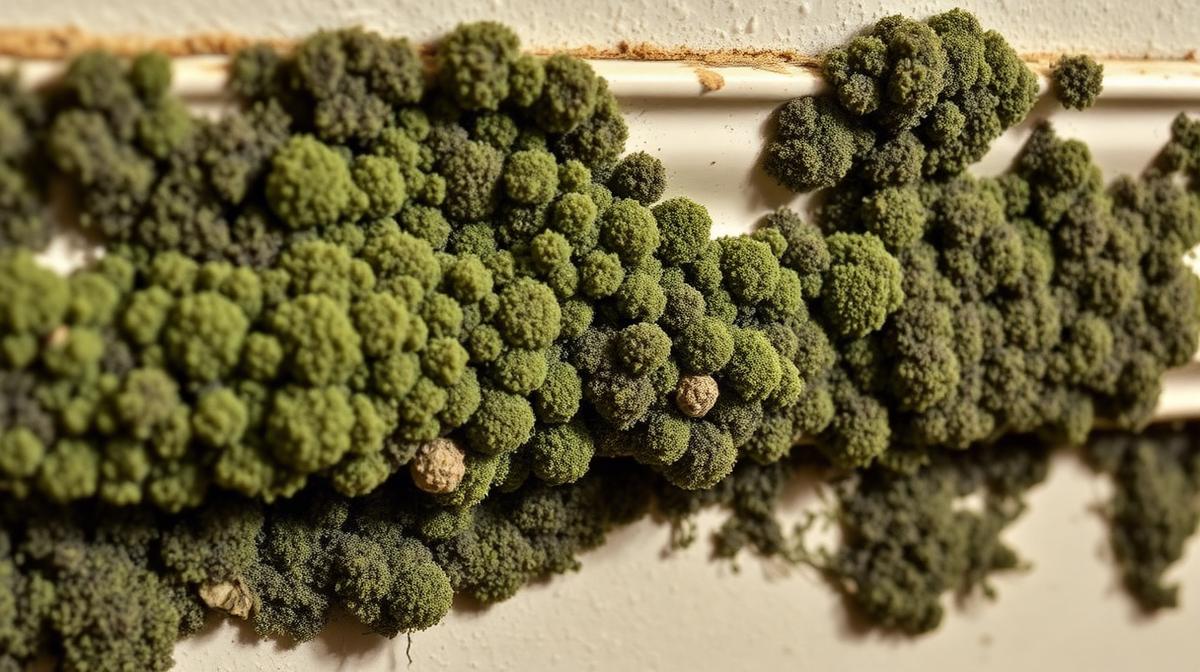
In Georgia's humidity, mold starts within 24 hours of water damage. Growth timeline, health risks, and when to call a professional.
Five days after a "minor" dishwasher leak in a Suwanee home, the homeowner peels back the wet baseboard trim to check for drying progress. Behind the trim, a stripe of dark green-black mold runs the length of the wall. It wasn't there three days ago.
This guide covers exactly how fast mold grows after water damage in Georgia's climate — and why the 48-hour window you've heard about is actually 24 hours here. Need help finding a contractor? Browse the water damage contractor directory.
Mold Growth Timeline in Georgia's Climate
Hour 0–24: Moisture activates dormant mold spores already present in Georgia air. In Georgia's 70–80% ambient humidity, conditions are immediately ideal. Spores begin germinating on wet surfaces.
Hour 24–48: Mold colonies forming on porous surfaces — drywall paper backing, carpet padding, wood framing. Not yet visible but detectable with air quality testing.
Hour 48–72: Visible mold colonies appear. Dark spots on drywall, fuzzy patches on wood, discoloration on carpet backing.
Days 7–14: Structural colonization. Mold penetrates into wood framing, behind wall cavities, into subfloor. Surface cleaning won't work — affected materials must be removed.
Week 2+: Mold spreads through HVAC system via air return. One wet room becomes a whole-house problem.
Why Georgia Is Worse Than Most States
- Average outdoor humidity 70–80% (ideal for mold is above 60%)
- Annual rainfall 50+ inches — 14 inches above national average of 38
- Warm temperatures year-round accelerate growth (mold grows fastest between 77–86°F — Georgia's average summer temp)
Don't wait for damage to spread.
Call EmesticaCure at (470) 398-4095 for help finding water-damage contractor options.
Health Risks
- Respiratory irritation: coughing, wheezing, throat irritation
- Allergic reactions: sneezing, watery eyes, skin rash
- Asthma trigger — mold is one of the top indoor asthma triggers
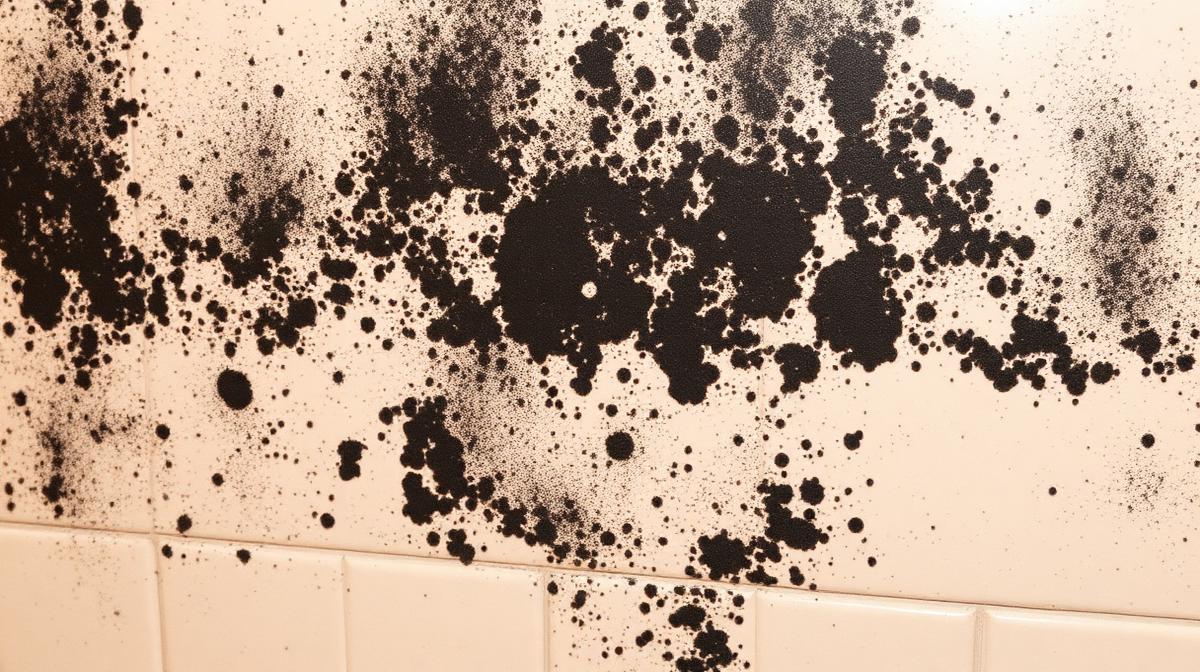
- Toxic black mold (Stachybotrys) produces mycotoxins — chronic exposure linked to neurological symptoms
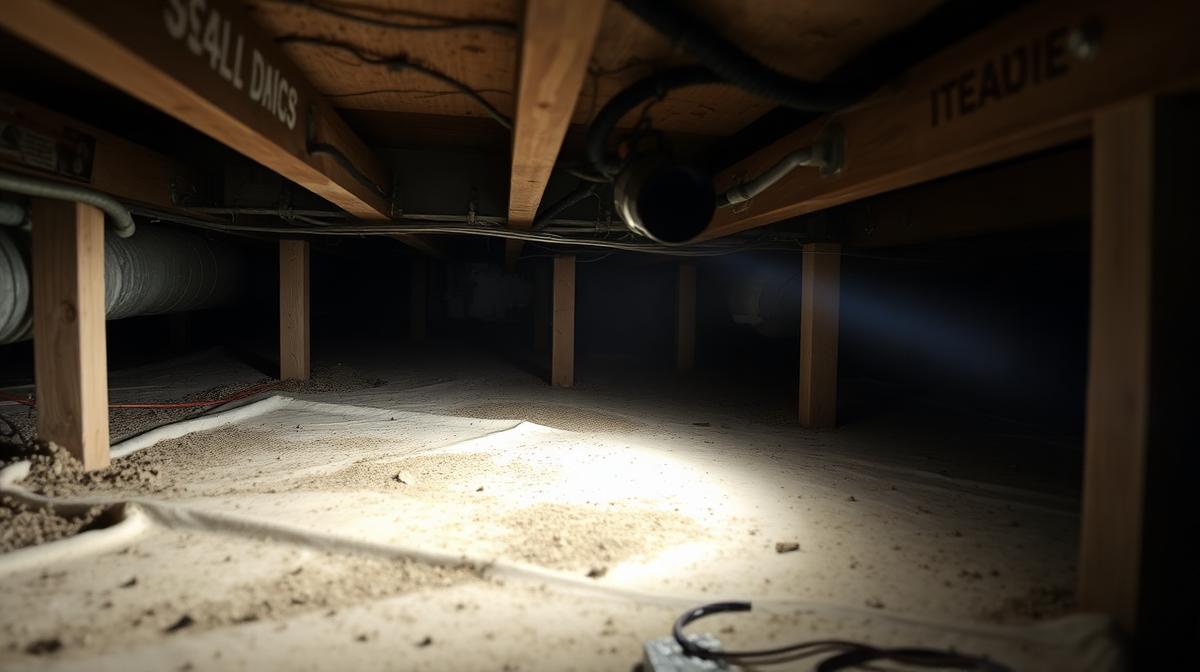
Learn more about black mold identification and removal in Georgia and crawl space mold solutions.
Professional Mold Prevention After Water Damage
- Antimicrobial application on all affected surfaces
- Dehumidification to below 50% relative humidity (critical in Georgia — ambient air is often above 60%)
- HEPA air filtration to capture airborne spores
- Monitoring with daily moisture readings until all materials read dry
The 48-hour window is real, but in Georgia it's more like 24 hours. Georgia contractors often find mold colonies already established after wet drywall sits 36 hours in July. The combination of Georgia's humidity and summer heat creates a mold incubator.
How to Use EmesticaCure
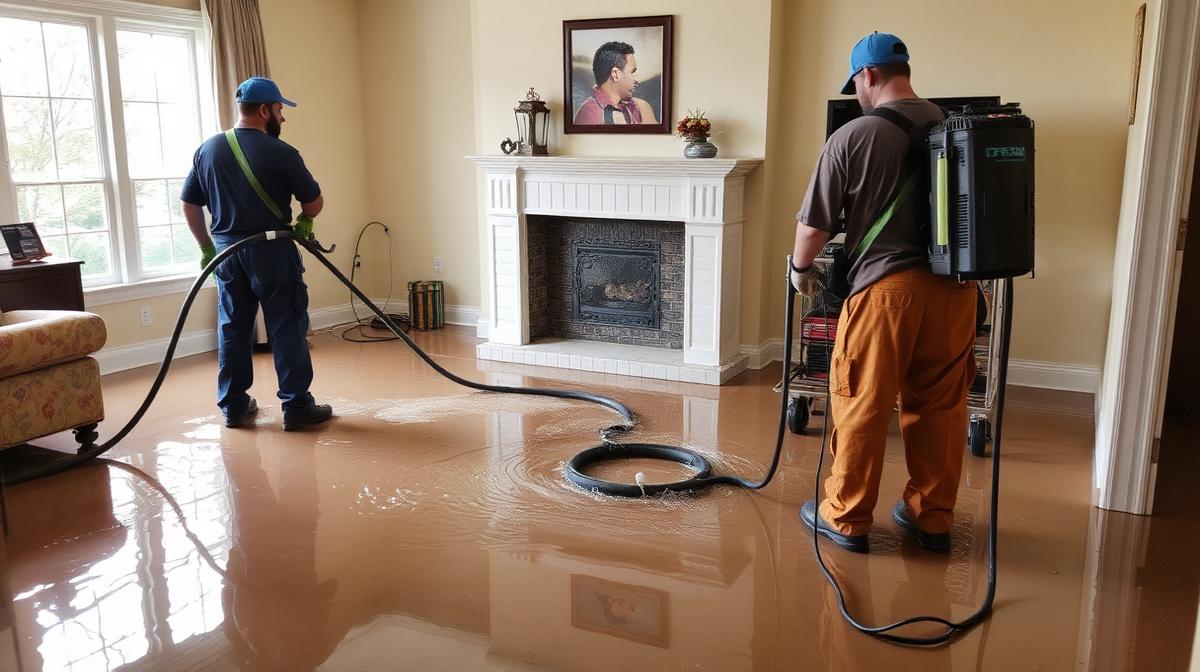
Use EmesticaCure to compare contractors who offer antimicrobial treatment, professional drying, and moisture documentation. Related: restoration timeline.
Browse Atlanta contractor listings or the Georgia water damage contractor directory.
Related Articles You May Find Helpful
Compare water damage contractors near you
Need Help Right Now?
Phone: (470) 398-4095
✓ Directory help for Georgia homeowners
✓ Compare local water-damage contractors
✓ Contractor phones stay contractor-owned
EmesticaCure is a water damage contractor directory. Browse contractors or call (470) 398-4095 for help finding one.