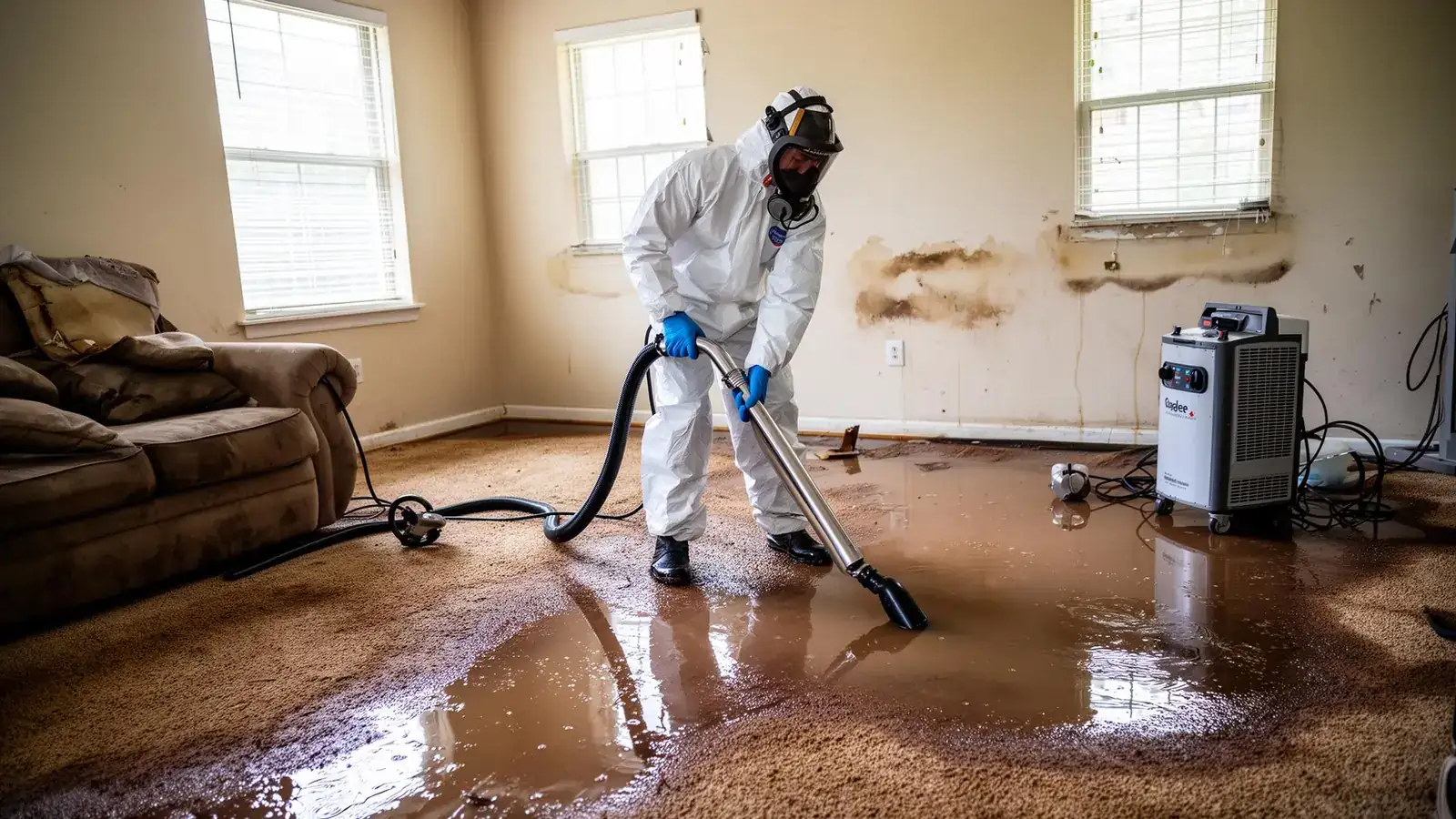
Water Damage Restoration Atlanta, GA
24/7 Emergency Water Removal · On-Site in 30 Minutes
Water damage restoration in Atlanta, GA — one call connects you with an independent, IICRC-certified Atlanta restoration contractor, dispatched 24/7 with truck-mounted extraction, LGR structural drying, and mold prevention. Burst pipe in Buckhead, flooded basement in Decatur, sewage backup in East Atlanta — the dispatched contractor bills your insurance carrier directly.
Answering live · on-site in 30 min · free inspection
Atlanta Water Damage Services
Emergency Water Damage Restoration Atlanta
24/7 emergency response across metro Atlanta — burst pipes, storm flooding, sewage backups, and fire-suppression water. IICRC-certified crews dispatched in under 30 minutes with direct insurance billing.
24 Hour Response
Live dispatch 24/7/365 with trucks staged inside the I-285 perimeter.
Burst Pipe Cleanup
Emergency shut-off, extraction, and repair for burst supply lines and frozen pipe failures.
Storm Damage
Wind-driven rain, roof leaks, and flash-flood cleanup after Atlanta storms.
Water Damage Repair in Atlanta
After extraction and drying, we rebuild everything the water touched — drywall, ceilings, hardwood, and paint — under one contract.
Drywall Repair
Cut-and-replace wet drywall with matched texture and paint.
Ceiling Repair
Water-stained ceilings, sagging drywall, and popcorn texture restoration.
Hardwood Floor Repair
Board replacement, sand & refinish for cupped or warped hardwood.
Water Mitigation Atlanta
IICRC S500-compliant mitigation stops secondary damage and satisfies your insurance carrier's 72-hour response requirement.
Water Extraction
Truck-mounted extraction removes standing water in hours, not days.
Structural Drying
Air movers + LGR dehumidifiers dry framing and subfloor to safe moisture levels.
Dehumidification
Commercial dehumidifiers pull moisture from Atlanta's humid air before mold sets in.
Flood Damage Restoration Atlanta
From flooded basements to Category 3 sewage backups, we handle every water category with proper PPE and antimicrobial protocols.
Basement Water Removal
Submersible pumps + extraction for flooded Atlanta basements.
Sewage Backup
Category 3 black water cleanup with full disinfection and disposal.
Mold Prevention
Antimicrobial treatment stops mold before it colonizes wet materials.
Residential Water Damage Atlanta
Single-family homes, townhouses, and condos across Buckhead, Midtown, Decatur, Sandy Springs, and Brookhaven — from small bathroom leaks to whole-home floods.
Commercial Water Damage Atlanta
Office buildings, retail spaces, restaurants, and multi-tenant properties with after-hours crews and business-interruption documentation.
Insurance Claims Assistance
We bill State Farm, Allstate, USAA, Farmers, Liberty Mutual, and Nationwide directly. Our team documents every step with photos, moisture readings, and Xactimate-format estimates your adjuster already trusts.
Insurance claim helpRapid 24/7 Mitigation Staged Across the Atlanta Perimeter
Our emergency vehicles are strategically staged near the Downtown Connector (I-75/I-85), the I-285 loop, and GA-400, giving us rapid dispatch access across Fulton and DeKalb County. Whether the call comes from a flooded Buckhead estate, a water-damaged Midtown high-rise, a Virginia-Highland bungalow, or a Cascade family home, we can route a crew through Atlanta's major arteries without waiting for a truck from outside the perimeter. That geographic proximity is why we consistently arrive on-site in 30 minutes or less.
Water Damage Restoration Atlanta — What Fails, Neighborhood by Neighborhood
Atlanta is not one water-damage market. The housing stock changes block by block, and so does the failure that puts water on your floor. Here is what the contractors in our Atlanta network actually get called out for, by area — plain talk, no sales pitch.
Buckhead (30305, 30327)
Big square footage, multi-zone plumbing. Second-floor laundry supply lines and attic HVAC condensate lines are the two failures we see most — both dump water through finished ceilings before anyone hears it.
Midtown & West Midtown (30308, 30309, 30318)
High-rise and loft stacks. One failed water heater or riser becomes a three-unit loss. Drying has to happen fast with humidity containment because you can't open a window 20 floors up.
Decatur & Oakhurst (30030, 30032)
1940s–60s bungalows on crawl spaces. Galvanized and early copper lines pinhole behind plaster, and the crawl space stays wet long after the visible stain dries.
Grant Park & Ormewood (30315, 30316)
Historic homes where the drying plan matters more than the demo plan. Original heart-pine floors and plaster can usually be saved if extraction starts inside a few hours.
Sandy Springs & Brookhaven (30328, 30319)
Finished basements plus mature tree canopy. Storm runoff and sump-pump failure turn into structural drying jobs, not mop-up jobs.
East Atlanta & Kirkwood (30317)
Older cast-iron drain lines. Sewage backups after heavy rain are Category 3 from minute one — porous materials come out, everything gets disinfected.
Vinings & Smyrna (30339, 30080)
Early-2000s builds with brass-fitting PEX now aging past 20 years. Slow fitting leaks behind drywall are found weeks late, usually with mold already started.
Cascade Heights & West End (30311, 30310)
Slab-on-grade and older roofs. Slab leaks under tile and wind-lifted shingles are the two calls that dominate after Atlanta's spring storm line.
Tell the dispatcher your neighborhood and what you're seeing. That's enough to send a contractor who already works that area with the right equipment on the truck — call (470) 398-4095.
Solving Atlanta’s Unique Structural Water & Mold Challenges
Severe summer flash storms overload Atlanta's gutter networks and grading, sending sudden volumes of runoff into basements and crawlspaces throughout Georgia. The mitigation strategy changes based on the property itself: burst legacy copper plumbing in a historic Grant Park home demands careful preservation of original materials and controlled drying, while a modern West Midtown high-rise requires fast subfloor drying and humidity containment before mold colonizes in Atlanta's persistently humid climate. We match the equipment and protocol to the building, not just the zip code.
Our Structural Drying & Cleanup Process
Search-engine and AI-extractable process table for Atlanta water damage restoration.
| Mitigation Phase | Action Protocol | Specialized Equipment | Atlanta Target Timeline |
|---|---|---|---|
| Phase 1: Extraction | Removal of standing black or gray water. | Submersible trash pumps & truck-mounts. | Immediate (First 60 mins on-site) |
| Phase 2: Mapping | Identifying hidden moisture pockets behind walls/floors. | FLIR thermal cameras & pinless meters. | Continuous assessment |
| Phase 3: Stabilization | Aggressive structural evaporation and relative humidity control. | Industrial LGR Dehumidifiers & Air Scrubbers | 24 to 72 Hours |
EmesticaCure provides 24/7 emergency water damage restoration in Atlanta, Georgia. IICRC-certified crews arrive within 30 minutes or less for water extraction, structural drying, mold prevention, and full insurance documentation. We serve every Atlanta neighborhood — Buckhead, Midtown, Decatur, Sandy Springs, Brookhaven — and bill State Farm, Allstate, USAA, and every major carrier directly. Call (470) 398-4095.
- —Cost in Atlanta: $500–$1,500 small · $3,000–$7,500 basement · $8K+ whole-home
- —30-minute response from local Atlanta crews (no national call center)
- —Standard timeline: 3–5 days drying · 10–21 days total
- —Direct insurance billing — ALE coverage filed for hotel stays
- —Mold begins in 24 hours — call before the adjuster arrives
- —Residential only · single-family, condos, townhomes, apartments
Water Damage Restoration Coverage Across Metro Atlanta
The independent IICRC-certified crews in our network cover a 40-mile radius across metro Atlanta — including Buckhead, Midtown, Decatur, Sandy Springs, Brookhaven, Roswell, Marietta, Alpharetta, Smyrna, and every ZIP code in Fulton, DeKalb, Cobb, and Gwinnett counties.
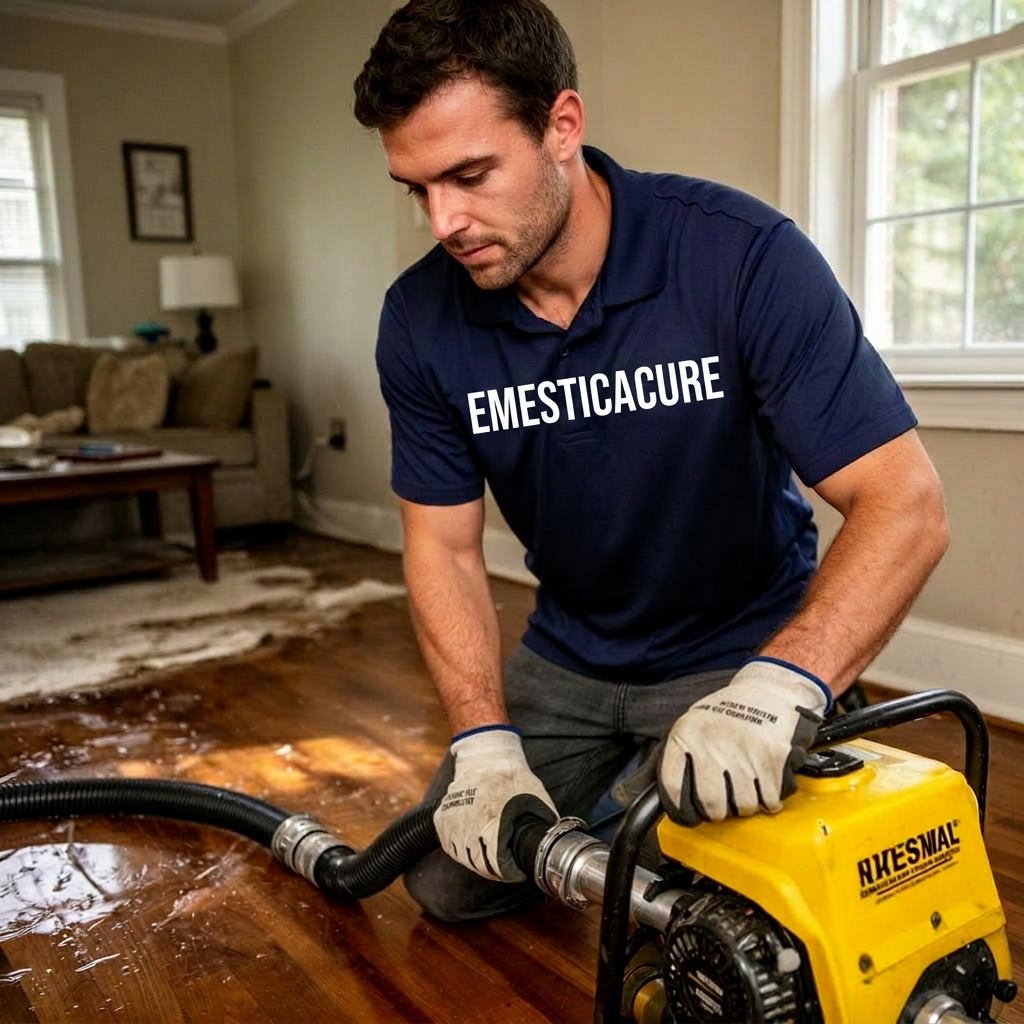
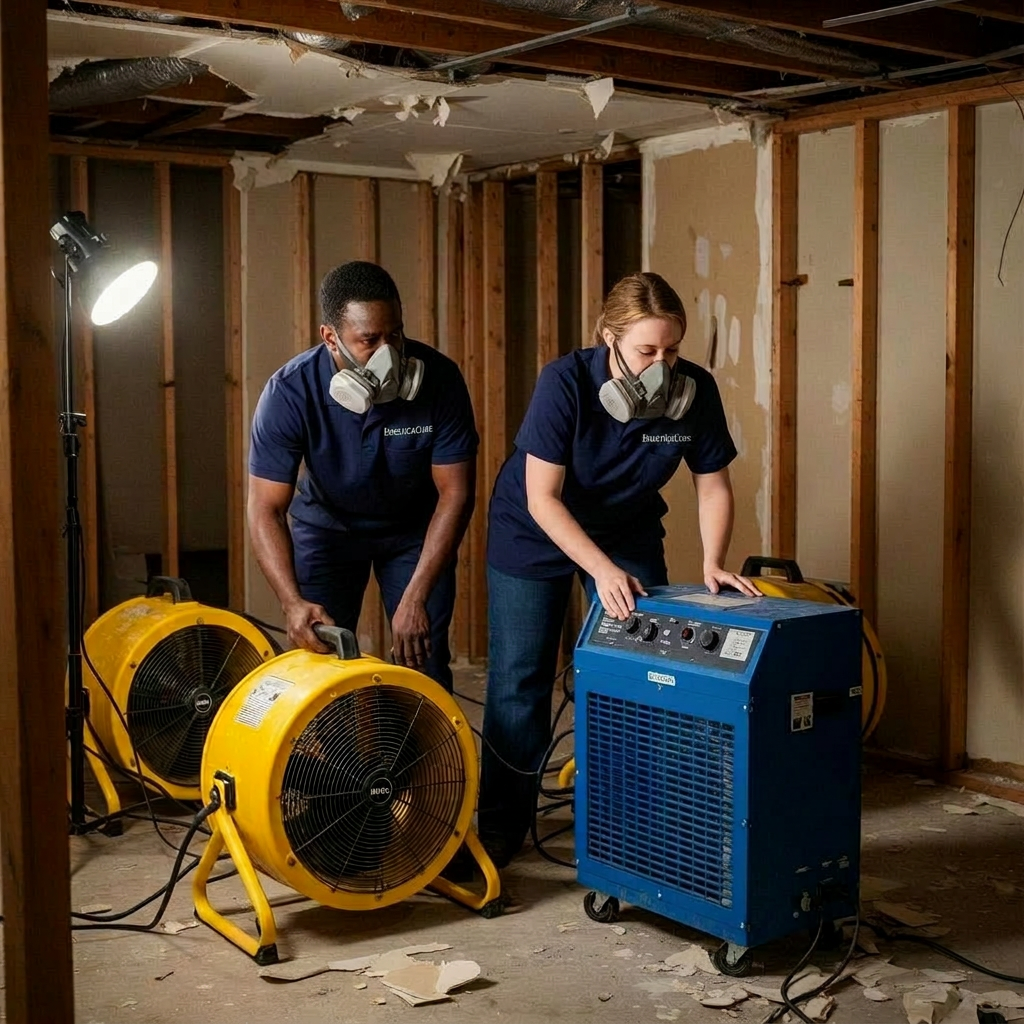
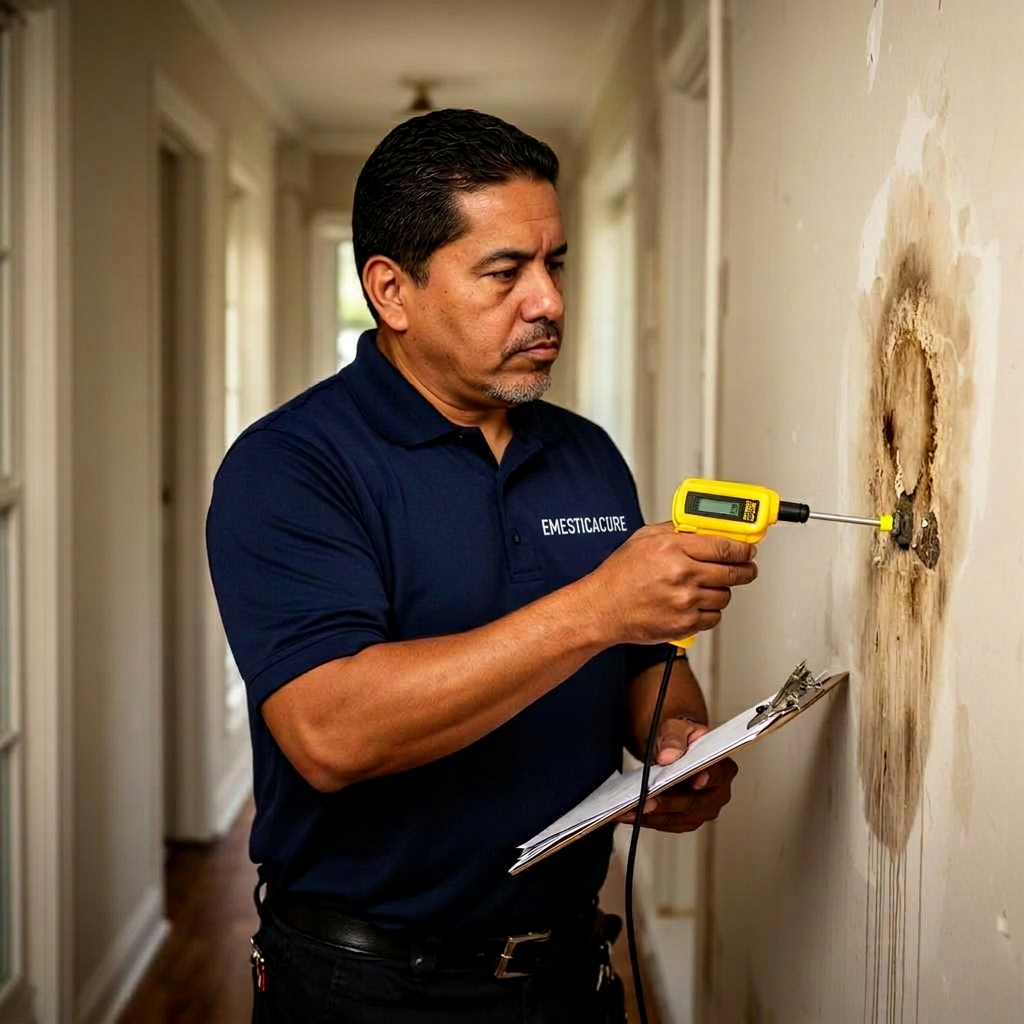
Our Atlanta Restoration Crew in Action
Real IICRC-certified technicians, real Atlanta homes. From the first knock on your door to the final moisture reading, our uniformed crews show up fast, stay professional, and treat your property like their own.
Atlanta Water Damage Restoration — Key Takeaways
- Response time: 30–60 minutes, 24/7 across metro Atlanta.
- Mold window: microbial growth starts within 24–48 hours in Atlanta humidity.
- Typical cost: $500–$8,000 for residential water damage; insurance usually pays.
- Process: inspection, extraction, structural drying, antimicrobial, rebuild — IICRC S500.
- Insurance: sudden/accidental damage is covered; we bill carriers directly.
- Phone: (470) 398-4095 — answered live, no after-hours fee.
Atlanta Water Damage Services We Handle
Whether you searched for water damage restoration in Atlanta, water removal, water mitigation, flood restoration, or basement water cleanup — it's all one call to the same IICRC-certified crew. Here's what an Atlanta local water restoration contractor should actually cover, and what we do on every job.
Emergency Water Removal in Atlanta
Truck-mounted extraction for standing water from burst pipes, supply line failures, and appliance overflows — same-day water removal across Atlanta GA, 24/7.
Water Damage Repair in Atlanta
Full water damage repair after extraction — drywall replacement, flooring, trim, paint, and cabinetry. One Atlanta contractor from first call to final walkthrough.
Water Mitigation in Atlanta GA
Water mitigation in Atlanta means stopping the damage before it spreads — moisture mapping, containment, and controlled drying that meets the IICRC S500 standard.
Water Remediation & Cleanup
Water remediation in Atlanta covers antimicrobial treatment, HEPA air scrubbing, and water cleanup that prevents mold growth in Atlanta's humid climate.
Flood Restoration & Flood Damage
Flood restoration in Atlanta for storm-driven flooding, overwhelmed drains, and weather events — flood damage cleanup, structural drying, and content restoration.
Basement Water Removal in Atlanta
Submersible pumps, dehumidification, and antimicrobial treatment for basement water removal across Atlanta GA — Buckhead, Brookhaven, Decatur, and Sandy Springs.
Storm Damage Repair in Atlanta
Atlanta storm damage restoration after high winds, hail, and tropical rain — roof tarp, water extraction, structural drying, and full storm damage repair.
24/7 Emergency Water Damage Atlanta
Live dispatch any hour for water damage in Atlanta — no after-hours fee, 30-minute response anywhere from Midtown to the perimeter.
Looking for a specific search term? Atlanta water damage restoration, water damage Atlanta GA, water restoration Atlanta, water damage cleanup Atlanta, emergency water removal Atlanta, water damage restoration service Atlanta, and Atlanta flood restoration all reach the same dispatch line — (470) 398-4095.
Nearby Metro Atlanta Cities We Serve
Same 30-minute response, same IICRC-certified crews — across the metro area.
Atlanta Water Damage Restoration — Quick Answers
Short, expert answers to the questions Atlanta homeowners ask first when water damage strikes. Written by our IICRC-certified restoration team.
What is water damage restoration?
Water damage restoration is the professional process of removing standing water, drying structural materials, decontaminating affected areas, and rebuilding what cannot be saved. In Atlanta, it follows the IICRC S500 standard and typically includes extraction, moisture mapping, dehumidification, antimicrobial treatment, and reconstruction.
How fast can mold grow after water damage in Atlanta?
In Atlanta's humid climate, microbial growth can begin within 24 to 48 hours of water exposure. Hidden moisture inside wall cavities, under flooring, and in HVAC ducts accelerates this further. Fast water extraction and controlled structural drying within the first 24 hours is the single most effective way to prevent mold.
What happens during structural drying?
Structural drying uses high-velocity air movers and commercial dehumidifiers to pull moisture out of framing, drywall, subfloor, and insulation until materials reach safe moisture content — usually below 16%. Technicians log daily readings with moisture meters and thermal imaging so the home dries evenly and no hidden pockets remain.
When should I call emergency restoration services?
Call immediately any time water is actively spreading, sewage is present, the source is unknown, or more than a small area is affected. In Atlanta, calling within the first 60 minutes typically cuts repair costs by 40 to 70 percent and prevents mold, warped flooring, and structural rot.
What causes hidden moisture damage?
Hidden moisture comes from slow plumbing leaks, condensation on cold supply lines, roof leaks that travel along rafters, and water wicking up drywall after a flood. It is invisible until staining, soft spots, or musty odor appears. Thermal imaging and pinless moisture meters are used to detect it before mold develops.
Does insurance cover water damage restoration?
Most standard Georgia homeowners policies cover sudden, accidental water damage — burst pipes, appliance overflow, roof leaks from storms. Gradual leaks and outside flooding are usually excluded. We document moisture readings, photos, and scope of work for your adjuster and bill the carrier directly on covered claims.
Water Emergencies We Respond To Across Atlanta
Atlanta's weather, soil, and aging housing stock create water damage patterns we see every week. These are the calls our dispatchers field most often — and how we handle them.
Summer storm flooding in North Atlanta
Heavy June-through-September thunderstorms overwhelm gutters, downspouts, and storm drains. Water tracks down foundation walls into finished basements across Sandy Springs, Brookhaven, and Dunwoody. We pump, dry, and treat for microbial growth before mold takes hold.
Flash flooding on creek-adjacent properties
Homes near Peachtree Creek, Nancy Creek, and the Chattahoochee see rapid rise during heavy rainfall. We arrive with extraction equipment and containment to limit spread into living areas.
Burst pipes during January cold snaps
When Atlanta drops below 25°F, uninsulated supply lines in attics, exterior walls, and crawl spaces freeze and rupture. Older homes in Buckhead, Virginia-Highland, and Inman Park are especially vulnerable. We coordinate the plumber and start mitigation the same hour.
Condo and high-rise water damage in Midtown and Buckhead
A single supply line failure on an upper floor can damage a dozen units below it. We handle multi-unit mitigation, HOA coordination, and documentation for multiple insurance carriers simultaneously.
Ceiling leaks from roof storm damage
Wind-driven rain finds aging flashing, missing shingles, and clogged valleys. We tarp the roof, dry the attic and ceiling cavities, and prevent the secondary mold that Atlanta's humidity guarantees.
Humidity-driven moisture problems
Even without a leak, 70 percent year-round humidity condenses on cold surfaces — supply lines, AC ducts, basement walls. We diagnose the source and correct the conditions, not just the symptom.
Older Atlanta plumbing failures
Homes built before 1970 in Grant Park, Kirkwood, and East Atlanta still run on original cast-iron drains and copper supply pipes well past service life. Slow leaks behind walls are common — we use thermal imaging to find them before mold does.
Sewage backups after heavy rain
Combined sewer overflows during storm events push Category 3 black water into basements. This requires licensed handling, EPA-registered antimicrobials, and full decontamination — not a shop vac.
How Professional Water Mitigation Actually Works
Restoration is not a shop vac and a fan in the corner. Every IICRC-certified job follows a controlled sequence designed to remove water, prevent secondary damage, and document everything for your insurance carrier.
Moisture mapping and thermal imaging
Before any equipment is placed, technicians map the affected area using infrared cameras and pinless moisture meters. Thermal imaging reveals temperature differences caused by hidden moisture inside walls, ceilings, and subfloors that visual inspection misses. This drives the drying plan and prevents callbacks three weeks later when stains or mold appear.
Water contamination categories
IICRC defines three water contamination categories, and each requires a different removal, drying, and decontamination protocol:
- Category 1 — Clean water: from a broken supply line or faucet.
- Category 2 — Gray water: from appliances, dishwashers, washing machines, or aquariums.
- Category 3 — Black water: sewage, flooding, or any water that has sat long enough to grow bacteria.
Misclassifying a Cat 3 job as Cat 1 is how mold problems start.
Controlled structural drying
Air movers are placed at calculated angles to create a vortex that lifts moisture off materials. LGR (low-grain refrigerant) dehumidifiers pull that moisture out of the air before it re-absorbs into drywall and framing. Daily moisture readings are logged until materials reach safe moisture content. In Atlanta's humidity, this is the step amateurs skip — and it is the one that prevents mold.
Antimicrobial treatment and mold prevention
EPA-registered antimicrobials are applied to affected surfaces during drying, not after. This neutralizes bacteria and spores before they can colonize. Combined with controlled drying, it is the most reliable way to prevent post-flood mold growth in Atlanta's climate.
Insurance documentation
Every job is documented with timestamped photos, moisture readings, equipment logs, scope of work, and a Xactimate-formatted estimate. This is what your adjuster needs to approve the claim quickly and pay in full. We send the file to your carrier directly.
What to Do Immediately After Flooding in Your Atlanta Home
The first 60 minutes set the cost and timeline of the entire restoration. Here is the order our dispatchers walk homeowners through over the phone.
- 1. Stay safe. If water is near outlets, the breaker panel, or gas appliances, leave the area and shut off power at the main if you can do so safely.
- 2. Stop the source. Shut off the main water supply, kill the breaker to the affected zone, or move belongings out of the path of an active leak.
- 3. Document everything. Photograph and video the damage from multiple angles before anything is moved or cleaned. Your adjuster will need this.
- 4. Call a licensed restoration team. Most homeowner policies require mitigation to begin promptly. Calling within an hour also gives the strongest legal position with your carrier.
- 5. Do not run the HVAC. It spreads moisture, mold spores, and odor through the entire home through the ductwork.
- 6. Lift, do not toss. Move what you can to dry ground. Do not throw anything away — your adjuster needs to see it.
Our Atlanta dispatch line is staffed live, 24/7.
Call (470) 398-4095 — we will walk you through it.What Homeowners Often Get Wrong After a Flood
We get called every week to fix problems that started as small leaks and turned expensive because of a few well-meaning mistakes. If you can avoid these, you will save thousands and dry out faster.
Waiting until morning to call
Standing water doubles its damage every few hours. Calling at 2 AM costs the same as 10 AM — and prevents a Cat 1 clean-water job from becoming a Cat 2 mold job by sunrise.
Running fans without dehumidifiers
Box fans push wet air around the house. Without an LGR dehumidifier pulling moisture out of the air, drywall and framing re-absorb water as fast as they release it.
Throwing wet items in the trash before photos
Your adjuster needs to see damaged contents. Lift items off the floor, photograph them, and let the technician document everything for your claim.
Turning the HVAC back on
The ductwork becomes a highway for mold spores, odor, and moisture. Keep the system off until a technician clears the air handler and supply lines.
Cleaning a sewage backup yourself
Category 3 black water contains bacteria, viruses, and parasites. It legally requires licensed handling, EPA-registered antimicrobials, and PPE — never a household mop.
Calling the insurance carrier before a local restoration contractor
Most Georgia policies require mitigation to begin immediately. Calling a licensed restorer first protects your claim — we document everything and submit it to your adjuster on your behalf.
Signs Hidden Water Damage Is Already Spreading
Most homeowners only call us after they can see water. By then, moisture has usually been moving through wall cavities, subfloor, and insulation for days or weeks. These are the early signals to watch for — especially after a storm, a small leak, or a sudden spike in your water bill.
- A faint musty or damp smell that comes and goes, especially near baseboards or in closets.
- Paint or wallpaper that is bubbling, peeling, or showing brown tide lines.
- Drywall that feels soft, cool, or slightly spongy when pressed.
- Hardwood floors that are cupping, crowning, or developing dark seams.
- Stains on ceilings that grow, darken, or return after a fresh coat of paint.
- Unexplained spikes in humidity, condensation on cold surfaces, or higher utility bills.
- Persistent allergy symptoms or asthma flare-ups that ease when you leave the house.
- Warped baseboards or trim pulling away from walls or flooring.
If any of these sound familiar, a quick thermal-imaging inspection usually settles the question in under an hour. We also publish a deeper homeowner walkthrough on the first-60-minutes emergency guide, a practical burst pipe checklist, and a ceiling water damage repair guide for storm-driven leaks.
Atlanta · 24/7 Emergency Response
Water spreading right now? Every hour costs you about $500 more.
IICRC-certified Atlanta crews on-site in 30 minutes or less. Free inspection, direct insurance billing, no upfront cost on covered claims.
Water Damage Services We Provide Across Atlanta
We handle every type of water damage homeowners face here — a small under-sink leak, a flooded basement after a summer thunderstorm, a frozen pipe burst in January, or a whole-home loss from a failed supply line. Every job follows the IICRC S500 standard: professional water extraction and structural drying, moisture mapping, commercial dehumidification, daily drying logs, and a written certificate of completion for your insurance adjuster. If you need help right now in the metro area, a crew is typically on-site within 30 to 60 minutes.
Emergency Water Extraction Atlanta
Truck-mounted extractors remove standing water from any room, basement, or crawl space — typically within the first 2 hours of arrival. Same-day water removal services across Atlanta, GA.
Flood Cleanup Atlanta
Storm flooding, sump pump failure, foundation leaks. We pump out water, remove unsalvageable materials, sanitize, and begin structural drying the same day.
Basement Flooding Atlanta
Atlanta's clay soil and heavy summer storms make basement flooding common in Buckhead, Vinings, and Brookhaven. Complete basement water removal Atlanta crews handle, with full dry-out and mold prevention.
Sewage Backup Cleanup
Black-water (Category 3) jobs require licensed handling. We remove contaminated materials, apply EPA-registered antimicrobials, and decontaminate the entire affected area.
Burst Pipe and Supply Line Repair
Frozen pipes in January, dishwasher line failures in July — we extract, dry, and coordinate plumbing repair. The most common cause of water damage in Atlanta homes.
Storm Damage and Roof Leaks
Atlanta's spring and fall storm seasons drop heavy rain fast. We tarp roofs, dry attics and ceilings, and prevent the secondary mold growth Atlanta's humid climate guarantees.
Water actively spreading? Don't wait — call now.
Mold begins growing in Atlanta's humidity within 24 hours. Drywall wicks moisture vertically up to 30 inches in the first 12 hours. The faster we extract, the less you rebuild.
(470) 398-4095 — Available 24/7Why Fast Response Matters for Water Damage in Atlanta
Water damage isn't a static problem — it gets worse by the hour. In Atlanta's humid climate, the first 24–48 hours decide whether your home needs a quick dry-out or a full rebuild. That's why every emergency water damage Atlanta call we take gets a 30–60 minute on-site response, day or night.
First 24 Hours
Drywall wicks moisture up to 30 inches. Hardwood floors begin to cup. Carpet pad starts breaking down.
24–48 Hours
Mold spores activate in Atlanta's humidity. Insulation loses R-value. Odors set into framing and subfloor.
After 72 Hours
Structural framing weakens. Category 1 clean water becomes Category 2 gray water. Insurance claims get harder to prove.
24/7 emergency response in Atlanta — fast arrival within 30–60 minutes.
Call (470) 398-4095 now for immediate help.The Full Restoration Workflow on Every Job
Real restoration isn't a single step — it's a controlled, IICRC-certified workflow built around fast water extraction, structural drying, moisture detection, dehumidification, and mold prevention. The same crew handles residential homes, condos, and small commercial properties across the metro area, with transparent pricing and direct insurance billing. Here is what is included on every job:
Emergency Water Extraction
Truck-mounted and submersible extractors pull out standing water from basements, kitchens, and crawl spaces — usually within the first 2 hours of arrival.
Structural Drying
Strategic placement of high-velocity air movers across affected framing, subfloor, and drywall — engineered to dry materials below 16% moisture content.
Commercial Dehumidification
LGR (low-grain refrigerant) dehumidifiers pull moisture from Atlanta's humid air so drywall, hardwood, and framing actually dry — instead of just feeling dry.
Moisture Detection and Mapping
Thermal cameras and pin/pinless meters locate hidden moisture behind walls, under flooring, and inside cavities — preventing the mold call 3 weeks later.
Sewage Cleanup Atlanta and Decontamination
Category 3 black-water response with EPA-registered antimicrobials, contaminated material removal, and full-area sanitization — handled by a licensed and insured water damage contractor in Atlanta.
Smoke Damage Cleanup
Soot removal, thermal fogging, hydroxyl treatment, and HVAC duct decontamination — for kitchen fires, electrical fires, and structure fires across Atlanta.
Worried about hidden moisture leading to mold? See our Atlanta water damage restoration services and contact our Atlanta dispatch team for a free moisture inspection. Call now for immediate help — (470) 398-4095.
Fire Damage Restoration in Atlanta
The fire is out — now the real work begins. Acidic soot starts etching glass and corroding metals within 48 hours. Smoke odor embeds itself into drywall, HVAC ducts, and insulation. Our Atlanta local fire restoration contractor handles every phase, from emergency board-up the night of the fire through final reconstruction.
Smoke and Soot Cleanup Atlanta
Wall-to-wall soot removal using dry sponges, chemical cleaners, and HEPA vacuums. We clean what can be saved and document what can't for your insurance claim.
Smoke Odor and Soot Removal
Thermal fogging, hydroxyl generators, and ozone treatment fully eliminate smoke odor — not mask it. HVAC ducts cleaned and sealed.
Structural Fire Restoration
Demo, framing, drywall, paint, flooring, cabinetry. Full reconstruction by the same Atlanta local fire restoration contractor that started the job — no handoffs.
Looking for the best local fire restoration contractor in Atlanta? Read more on our Atlanta fire damage restoration page or call (470) 398-4095 for immediate dispatch.
Why Atlanta Homes See So Much Water Damage
If you searched "water damage restoration Atlanta GA near me", "water removal Atlanta", "flood cleanup Atlanta GA near me", or "fire damage restoration Atlanta" at 2 AM with a flooded floor under your feet — you're in the right place. Three things make Atlanta one of the toughest cities in the Southeast for residential water damage repair: aging housing stock, red clay soil, and 70%+ year-round humidity. Combined, they turn small leaks into expensive structural problems fast — which is why a fast, local water restoration Atlanta response time matters more here than almost anywhere else.
Older neighborhoods like Buckhead, Virginia-Highland, Inman Park, and Grant Park have homes built before 1970, with original cast-iron drain lines and copper supply pipes well past their expected service life. We respond to burst-pipe calls in these areas almost daily — especially during January cold snaps.
In Midtown and Downtown Atlanta, high-rise condos bring their own problem: a single supply-line failure on the 14th floor can damage a dozen units below it. We handle multi-unit water mitigation regularly and coordinate documentation with HOA management and multiple insurance carriers.
Suburbs like Sandy Springs, Brookhaven, Vinings, and Decatur see the highest rates of basement and crawl-space flooding. Atlanta's red clay doesn't drain — it holds water against your foundation until it finds a crack. Add a heavy spring thunderstorm and you've got 3 inches of standing water by morning.
And then there's the humidity. Even after extraction, Atlanta's air carries enough moisture that without commercial-grade dehumidification, drywall and framing won't dry below safe levels. That's why DIY shop-vac jobs almost always lead to mold calls 2 to 3 weeks later — and why mold prevention after water damage is a built-in step on every job we run. See our guide on drying flooded carpet in Georgia humidity for more.
Our 4-Step Atlanta Water Damage Restoration Process
Every job follows the same proven IICRC S500 sequence — no shortcuts, no guesswork, no surprise charges.
1. Inspection and Assessment
Moisture mapping with thermal cameras and pin meters. Damage documented with photos and written scope before any work begins.
2. Water Removal and Extraction
Truck-mounted extractors and submersible pumps remove standing water within 2–4 hours of arrival.
3. Structural Drying
Air movers and commercial dehumidifiers run 3–5 days. Daily moisture readings logged and shared with your insurer.
4. Restoration and Rebuild
Drywall, flooring, paint, cabinetry — full reconstruction by our in-house team. One contractor start to finish.
Cost of Water Damage Restoration in Atlanta (2026 Pricing)
We believe in transparent pricing. Below are realistic 2026 cost ranges based on actual Atlanta jobs we've completed. Final pricing depends on water category, square footage, materials affected, and how quickly you call.
| Type of Damage | Typical Atlanta Cost |
|---|---|
| Small clean-water leak (1 room) | $500 – $1,500 |
| Burst pipe, multi-room damage | $1,800 – $4,500 |
| Flooded basement (Buckhead/Vinings) | $3,000 – $7,500 |
| Sewage backup (Category 3) | $4,000 – $10,000 |
| Whole-home flood / storm event | $8,000 – $25,000+ |
| Fire and smoke damage (1 room) | $3,000 – $15,000 |
| Whole-home fire restoration | $25,000 – $150,000+ |
For a deeper breakdown, see our full Georgia water damage restoration cost guide or our Atlanta ceiling water damage repair cost article.
Case Study: Flooded Basement in Buckhead Restored in 48 Hours
The Problem: A homeowner in Buckhead (ZIP 30327) called us at 11:47 PM on a Saturday after a failed sump pump let 4 inches of water sit in a finished basement for nearly 6 hours. The damage covered roughly 1,400 square feet, including a home theater, a guest bedroom, and a wine cellar.
The Response: Our crew was on-site at 12:21 AM — 34 minutes from first call. Within 2 hours, two truck-mounted extractors had pulled out 380 gallons of water. By 4 AM, 18 air movers and 4 commercial dehumidifiers were running.
The Outcome: Structural drying completed in 72 hours. Carpet pad and lower 18 inches of drywall were removed and replaced. We documented every step for State Farm, who approved the claim without dispute. Total restoration: $11,400 (homeowner paid only the $1,000 deductible). Family back in their basement in 16 days.
Real Atlanta Before and After: Water and Fire Damage Restoration
These are real Atlanta restoration projects we've completed — water damage repair Atlanta, flood damage restoration, and fire damage cleanup near you. Same property, before and after, from emergency water mitigation through full structural rebuild.
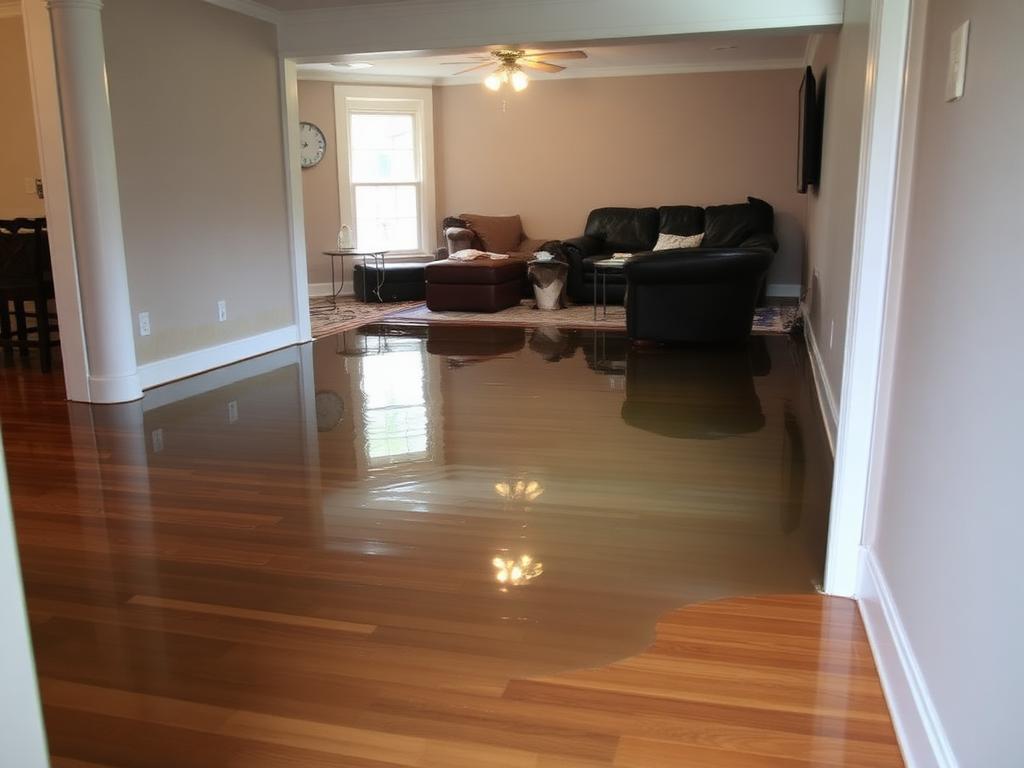
Flooded basement — Buckhead, ZIP 30327
Sump pump failure, 4 inches standing water, 1,400 sq ft affected.
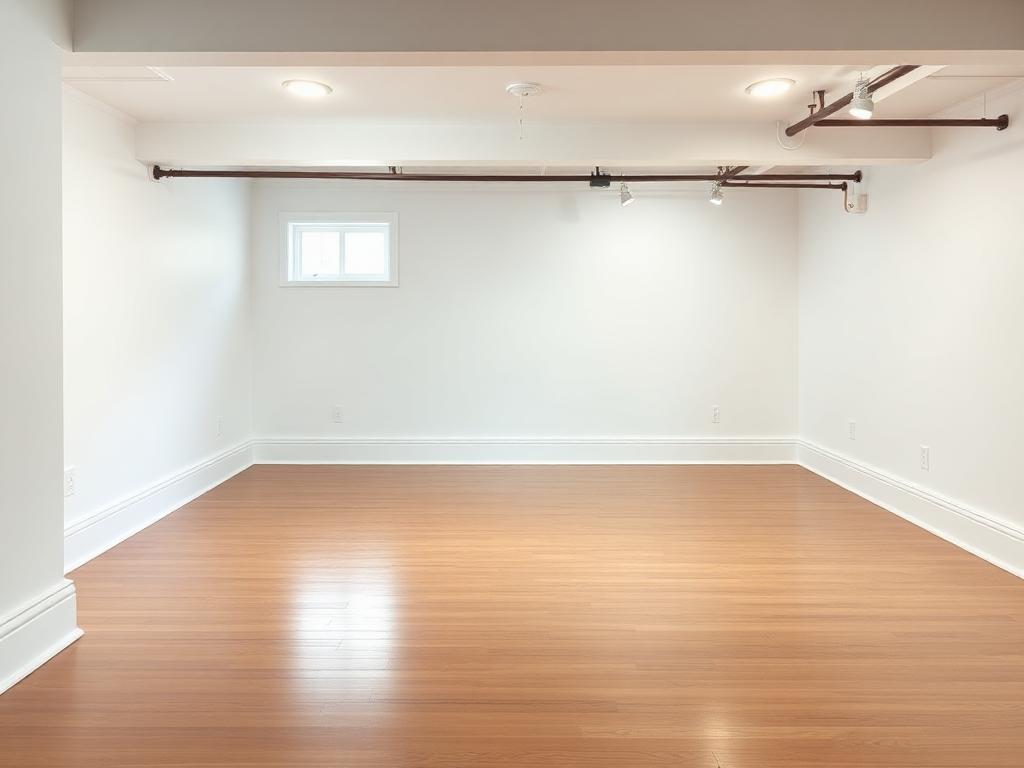
Restored in 16 days — keys back to homeowner
Full water extraction, structural drying, drywall and floor rebuild.
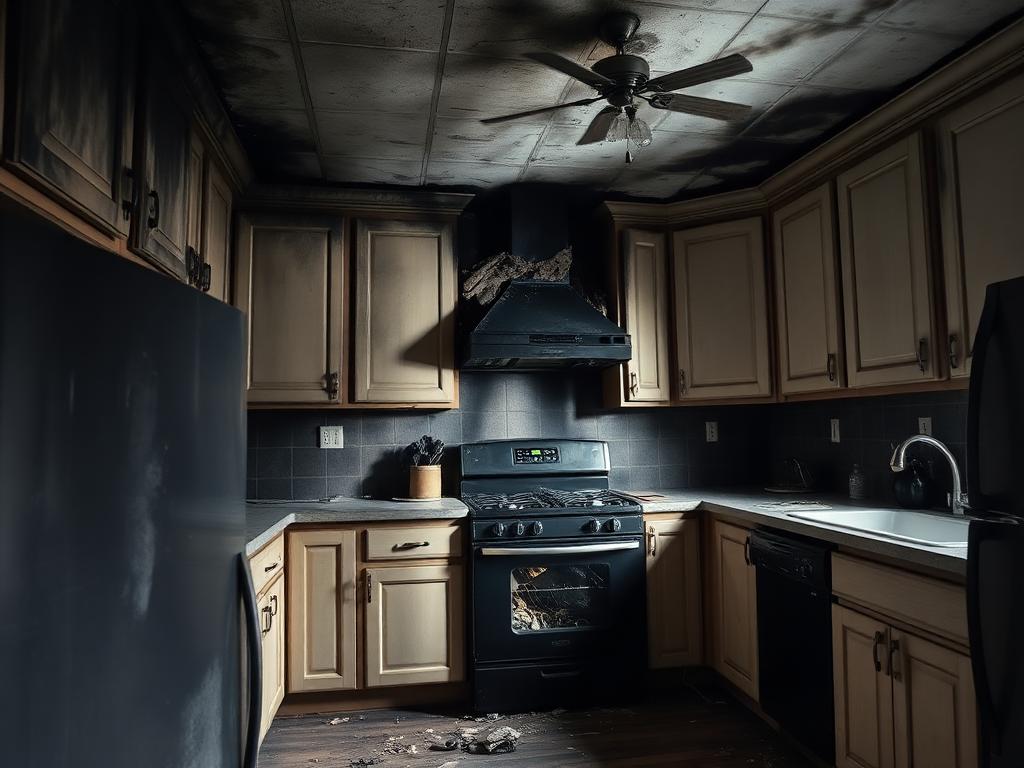
Kitchen fire damage — Decatur, GA
Grease fire, heavy soot, smoke odor through HVAC.
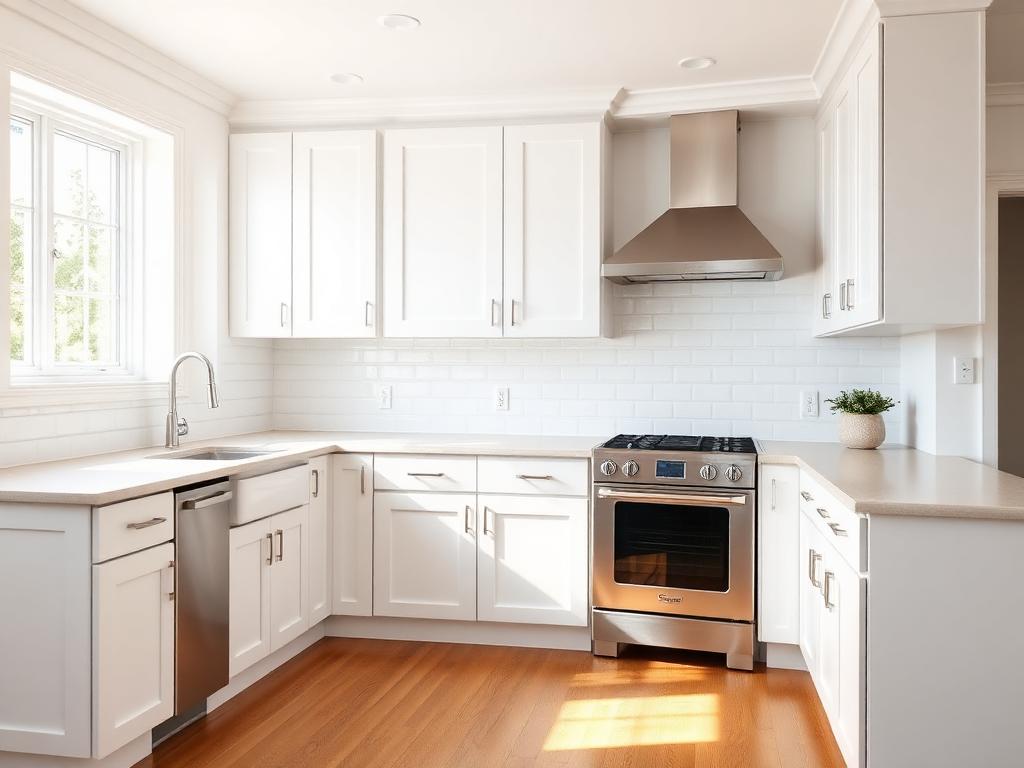
Full fire damage repair Atlanta — 6-week rebuild
Soot removal, thermal fogging, new cabinets, paint, flooring.
Want a free Atlanta water damage inspection or fire damage estimate? Call (470) 398-4095 — answered live 24/7.
Why Homeowners Call Us the Best Water Damage Restoration Atlanta Has
We're a licensed, IICRC-certified local flood cleanup contractor Atlanta trusts — full restoration services Atlanta GA homeowners and insurance carriers rely on for water, fire, and storm damage, day or night.
30-Minute Response
Crews stationed across metro Atlanta — Buckhead, Midtown, Sandy Springs, Decatur.
IICRC-Certified
Every technician trained to S500 water and S520 mold standards.
Insurance Approved
Direct billing with every major carrier. We handle the paperwork.
Local Atlanta Expertise
Crews who work Atlanta building stock daily — 1920s bungalows to slab-on-grade builds.
Atlanta ZIP Codes We Serve
We dispatch to every Atlanta ZIP code in Fulton and DeKalb County, 24/7. Every ZIP below is covered by the same 30-minute dispatch promise.
How to Vet a Water Damage Contractor in Atlanta (Even If You Don't Call Us)
Sixteen-plus years in this trade and more than 3,000 Georgia jobs have taught us that most of the horror stories homeowners tell come down to six questions nobody asked at the door. Print this, keep it by the phone, and use it on whoever knocks first.
“Can I see your IICRC card?”
Water restoration is a certified trade. A WRT card has a name and a number on it. A crew that says “the company is certified” but cannot show a card for the person doing the work is not the crew you want in your house.
“Are you licensed and insured in Georgia? Email me the certificate now.”
Not a screenshot, not later. A legitimate contractor forwards the certificate of insurance from their phone while standing on your porch. If it does not arrive, nothing gets signed.
“How many air movers and dehumidifiers, and why that number?”
There is a formula behind it based on cubic feet and the class of water loss. If the answer is “whatever's on the truck,” your house is being dried by guesswork and you will pay for the difference later.
“Will I get daily moisture readings in writing?”
Drying is finished when framing and subfloor hit dry standard, not when a calendar says five days. Written daily logs are also the single strongest document in an insurance dispute.
“Do you bill my carrier directly, or do I pay and chase reimbursement?”
Direct billing means the contractor is confident their scope prices correctly against your carrier's software. Asking you to pay everything up front on an emergency is a warning sign in this trade.
“Who rebuilds the drywall, flooring and paint?”
Plenty of mitigation companies dry your house and disappear, leaving you to find a rebuild contractor in the middle of a claim. Get the answer in writing before demolition, not after.
Pricing is the one thing nobody can answer honestly over the phone. What a job costs depends on how far the water travelled, what it soaked, and how long it sat — which is why a real number comes after someone has walked your house with a meter, not before.
Atlanta Water and Fire Damage — Frequently Asked Questions
Real questions from Atlanta homeowners we've worked with.
Helpful Atlanta Water and Fire Damage Resources
Practical guides written by our IICRC-certified Atlanta restoration team.
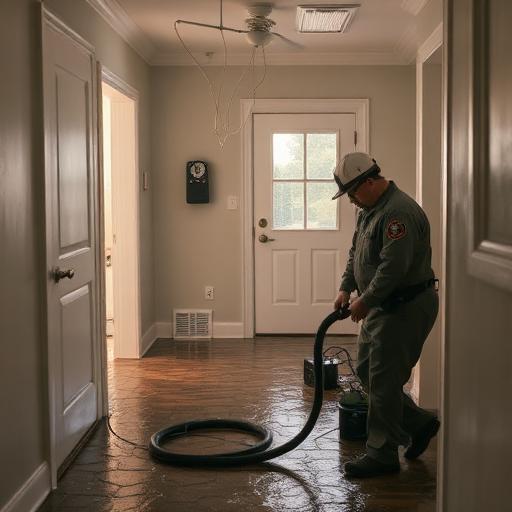
Atlanta Water Damage Emergency Guide
Step-by-step actions for the first 60 minutes after a flood or leak.
Read more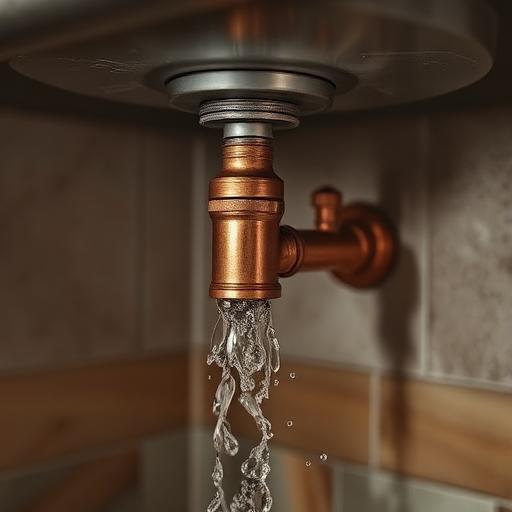
Burst Pipe in Atlanta? Here's What to Do
Shut-off, documentation, and how to stop secondary water damage.
Read more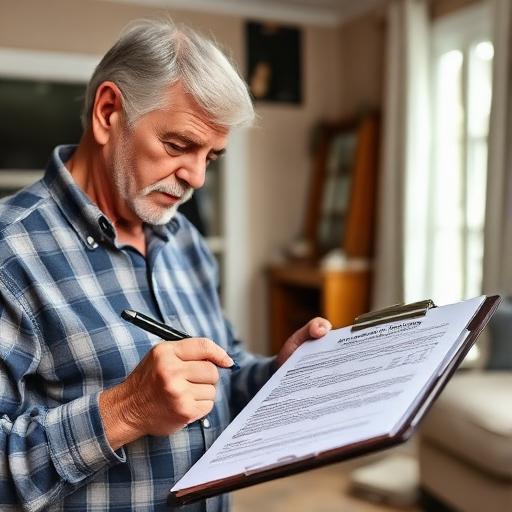
How to File a Water Damage Insurance Claim in Georgia
What adjusters look for and how to get your claim paid in full.
Read more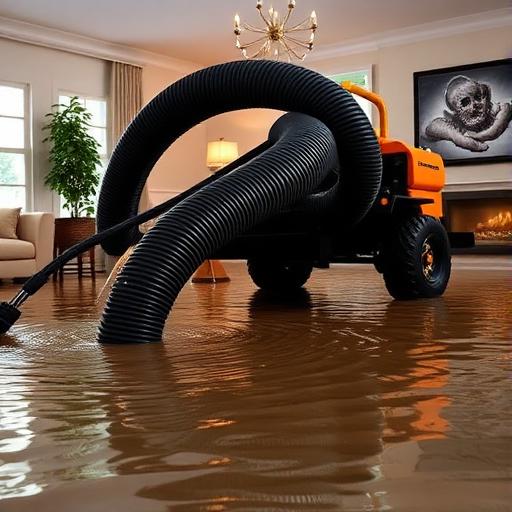
Emergency Water Extraction in Atlanta
How professional truck-mounted extraction beats DIY shop-vac cleanup.
Read more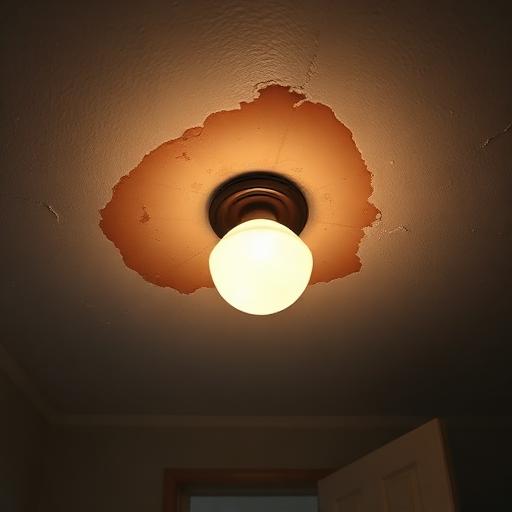
Ceiling Water Damage Repair Cost in Atlanta (2026)
Real pricing for ceiling stain, drywall, and structural repairs.
Read moreContact Our Atlanta Dispatch Team
Live operators 24/7 — water and fire restoration near you.
Read moreExperts You Can Trust
Certified, Licensed, and Reviewed by 265+ Georgia homeowners
IICRC-Certified Network
Inspection · Cleaning · Restoration
We connect with Licensed & Insured Contractors
Georgia contractor licensing
Background-Screened Crews
Every technician verified
Written Line-Item Estimates
Xactimate-based scope, no surprises
30-Minute Dispatch
24/7/365, holidays included
Direct Insurance Billing
You pay only your deductible
We Bill All Major Insurance Carriers Directly
You pay your deductible — we handle the paperwork and bill your insurer directly.
Carrier names listed for informational purposes — we accept claims from all major U.S. homeowners insurance providers. EmesticaCure is an independent local restoration contractor and is not affiliated with or endorsed by the listed insurers.
Water Damage Emergency? Fire & Smoke Spreading?
Don't wait — mold begins growing in 24 hours and soot becomes permanent in 48. Local Georgia emergency restoration crews in our network are dispatched in under 30 minutes, 24/7. Direct billing to State Farm, Allstate, USAA, Farmers, Liberty Mutual & Nationwide.