
IICRC-Certified Water Damage Editorial Reviewer · Georgia Field Experience
Published: March 12, 2026Last Updated: April 13, 20267 min readReviewed against IICRC S500 / S520 / S700
8 Signs of Hidden Water Damage in Your Walls and Ceiling
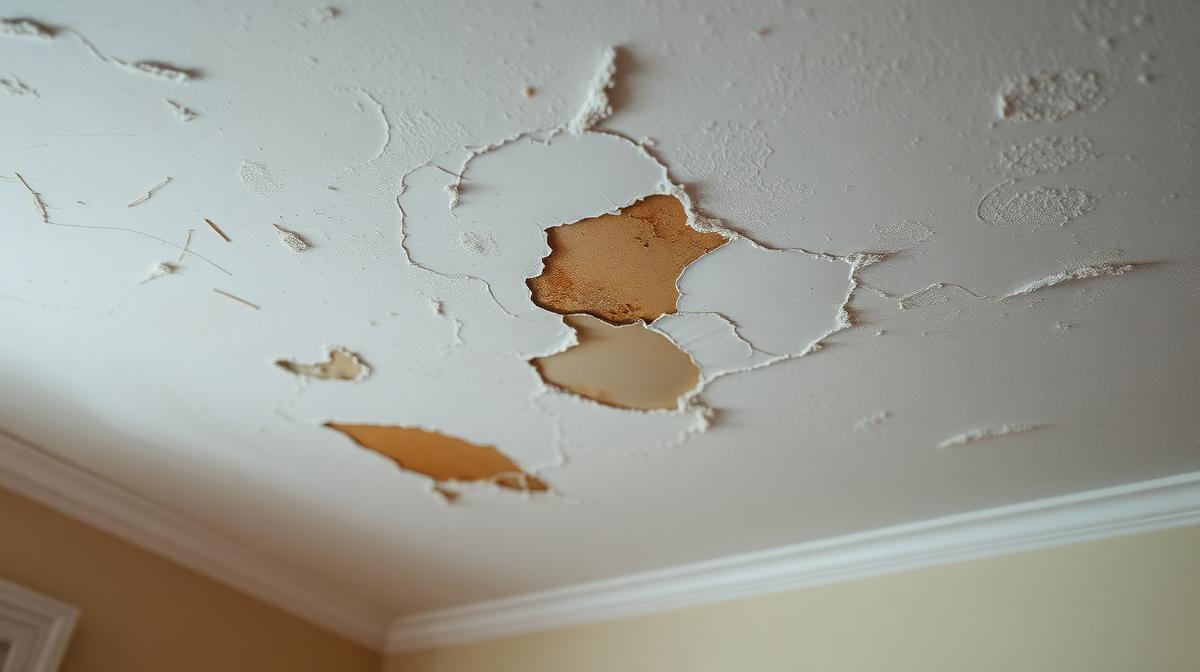
Spot hidden water damage before it destroys your Georgia home. 8 warning signs in walls, ceilings, and floors most homeowners miss.
A homeowner in Lawrenceville noticed a soft spot in the hallway ceiling while painting. She pressed her thumb into it and it went straight through. Behind the drywall, the wood framing was black with mold. A slow drip from the upstairs bathroom had been leaking into the ceiling cavity for months.
This guide covers the 8 warning signs that water damage is hiding inside your walls, ceiling, or floors — and what to do when you find them. Need a professional inspection? Browse the water damage contractor directory.
8 Signs of Hidden Water Damage
1. Water Stains on Ceiling
Yellow or brown rings, often circular. These appear directly below the water source — upstairs bathroom, roof leak, HVAC condensation line. A stain that looks old and dry doesn't mean the leak stopped. It may be intermittent, only leaking during heavy use or rain.
2. Bubbling or Peeling Paint
Moisture trapped behind paint pushes it away from the wall. In Georgia's humidity, this happens faster than in dry climates because the moisture has nowhere to evaporate.
3. Warping or Buckling Baseboards
Baseboards swell when they absorb water from a wall or floor leak. If one section is pulling away from the wall, water is likely present behind it.
4. Sagging Ceiling Drywall
Drywall becomes heavy when wet and gravity pulls it downward. This is a structural risk — a saturated ceiling can collapse without warning. If you see sagging, stay away from directly under it.
5. Musty Odor That Won't Go Away
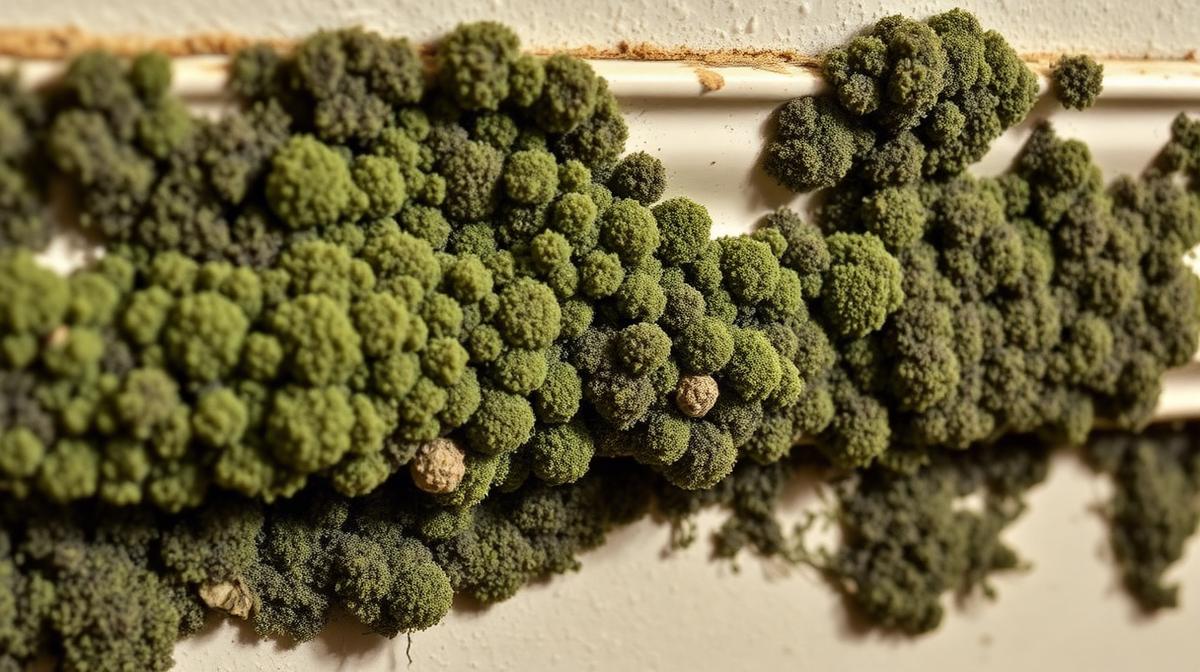
This IS mold. If you smell it, mold is actively growing somewhere. The odor is strongest near the affected area — follow your nose. Read more about how fast mold grows in Georgia.
6. Damp or Soft Spots When You Press on Drywall
Healthy drywall is hard and resists pressure. If it gives under your thumb, it's saturated. Check walls adjacent to bathrooms, kitchens, and exterior walls.
7. Unexplained Spike in Water Bill
A hidden leak can add $50–$200/month to your water bill before any visible damage appears. If your bill jumped without explanation, you may have a slab leak or underground supply line issue.
8. Visible Mold in Corners or Around Windows
Mold on walls, especially at floor level in corners, almost always indicates a water source nearby. Around windows, it often signals condensation problems or a leaking seal.
Don't wait for damage to spread.
Call EmesticaCure at (470) 398-4095 for help finding water-damage contractor options.
Why Georgia Homes Are Especially Vulnerable
Clay soil shifts cause foundation cracks that let water seep in — Georgia's wet/dry cycle makes clay expand and contract seasonally. High humidity means condensation damage occurs year-round even without an active leak. Older homes lack modern moisture barriers between exterior walls and interior drywall.
Older Atlanta neighborhoods — Grant Park, East Lake, Kirkwood — have plaster walls that hide water damage much longer than modern drywall. Homes in DeKalb County built before 1970 with original plaster should be inspected annually.
How to Use EmesticaCure
Use EmesticaCure to compare contractors who offer moisture inspections with meters and thermal imaging. Browse Atlanta contractor listings.
Related: mold after water damage | what to do first | why Georgia basements flood
Browse the Georgia water damage contractor directory for city and company details.
Related Articles You May Find Helpful

Compare water damage contractors near you
Need Help Right Now?
Phone: (470) 398-4095
✓ Directory help for Georgia homeowners
✓ Compare local water-damage contractors
✓ Contractor phones stay contractor-owned
EmesticaCure is a water damage contractor directory. Browse contractors or call (470) 398-4095 for help finding one.