
IICRC-Certified Water Damage Editorial Reviewer · Georgia Field Experience
Published: May 16, 2026Last Updated: May 16, 20268 min readReviewed against IICRC S500 / S520 / S700
Thermal Imaging for Water Damage Detection Explained
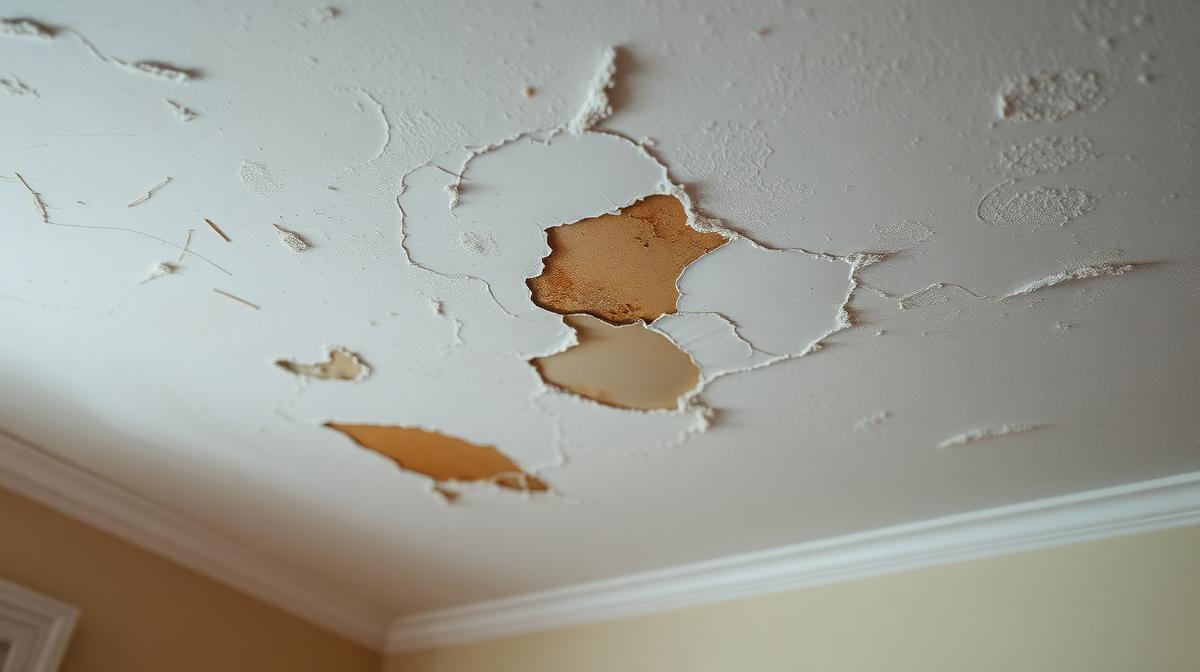
Thermal cameras find hidden moisture without cutting walls. How thermal imaging works, what it shows, and where it has limits.
- ›Thermal cameras detect temperature differentials caused by evaporation. Wet materials evaporate, evaporation cools the surface, and the c…
- ›Yes — when there is a temperature differential between wet and dry portions of the wall. Best results come during heating or cooling cycl…
- ›No. Thermal imaging maps temperature patterns that suggest moisture; moisture meters directly measure water content in materials. Pros us…
- ›Smartphone thermal attachments ($150–$300) can show major temperature differences, but they lack the resolution and sensitivity of profes…
A thermal camera doesn't actually see water. It sees temperature differentials caused by evaporation. Used correctly, it maps moisture in 60 seconds without lifting a single piece of drywall. Used wrong, it misses everything. Here's how restoration techs use them properly — and where the technology has hard limits.
Quick Answer — Thermal Imaging for Water Detection
Thermal imaging detects water damage by mapping temperature differentials caused by evaporation. Wet materials read cooler than dry ones. The technology is a fast screening tool — best paired with moisture meters for confirmation and quantification.
The Physics: Why Wet Reads Cold
Evaporation requires energy. The water absorbs heat from its surrounding material to change phase from liquid to vapor. That heat loss makes the wet surface measurably cooler than nearby dry surfaces — often by 2–5°F. A thermal camera detects that temperature gradient and displays it as a color shift on the screen.
What a Thermal Image Actually Shows
- Active moisture zones (cooler than surroundings)
- Hidden leaks behind drywall, under flooring, in ceilings
- Missing or wet insulation
- Drafts and air infiltration
- Electrical hotspots
- HVAC duct leaks
How Pros Use It on a Real Job
- Establish baseline temperature in an unaffected area
- Scan affected room walls, floors, and ceilings systematically
- Note every cold spot
- Confirm each cold spot with a pin or pinless moisture meter
- Document on the moisture map
- Re-scan after drying to confirm thermal patterns normalize
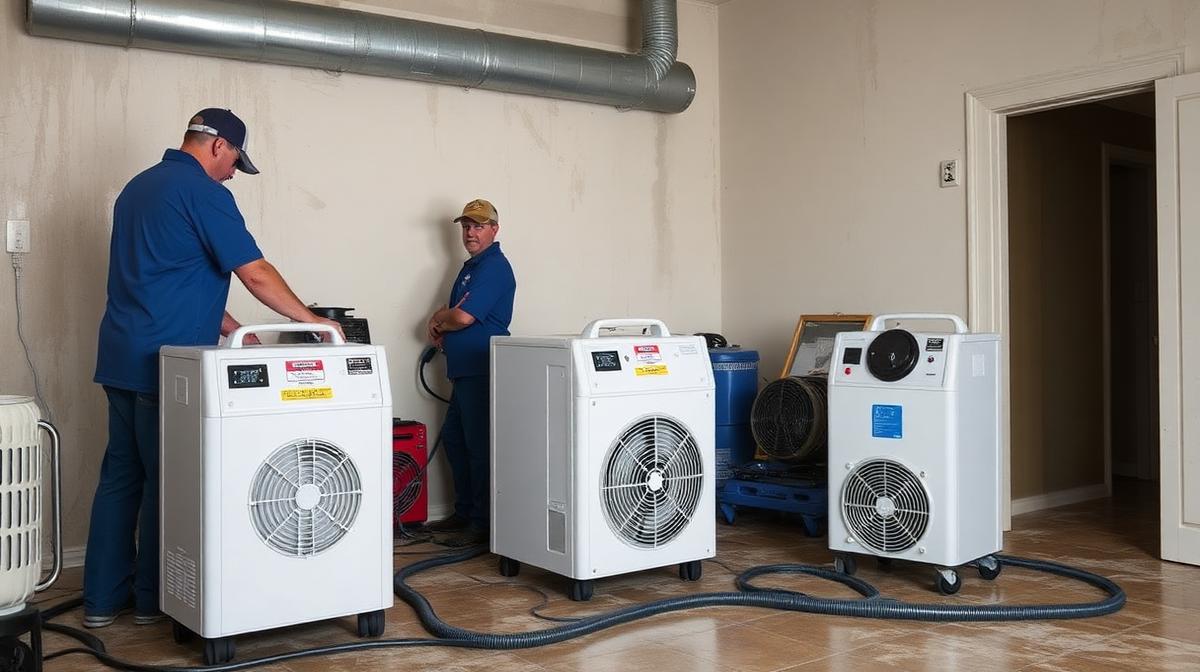
False Positives to Watch For
- Cold water supply lines inside walls
- HVAC ducts running cool conditioned air
- Exterior walls in winter showing thermal bridging
- Areas of missing insulation (cold spots that are NOT wet)
- Shadow lines from sunlit windows
This is why pros always confirm thermal findings with a moisture meter before opening walls. Read about moisture mapping for the full process.
When Thermal Imaging Falls Short
The camera needs a temperature differential to see moisture. In stable conditions — when the wet area has reached thermal equilibrium with its surroundings — hidden moisture can be invisible. Pros sometimes induce a differential by running the HVAC or applying heat to create the gradient needed.
Suspect hidden moisture in your home?
Call listed contractors directly and ask about thermal imaging, meter confirmation, inspection fees, and written findings before demolition begins.
How an Infrared Camera Actually Sees Water
A thermal imager does not see moisture. It sees temperature. The reason that matters: wet materials evaporate, evaporation pulls heat out of the surface, and the surface ends up several degrees cooler than the dry material around it. The camera renders that temperature delta as a cool-colored patch — purple, blue, or dark gray depending on the palette. The wetter the material, the more pronounced the delta. A skilled tech is reading the shape and edge of that delta, not just the color.
The False Positives Every Pro Knows About
- Cold air infiltration from an unsealed window or recessed light reads identical to a wet wall on the camera.
- Plumbing behind drywall carrying cold water shows up as a vertical cool line — looks dramatic, isn't a leak.
- Recently painted surfaces hold their own cool signature for hours after the paint dries.
- Solar gain through a window makes one half of a wall warmer than the other for an hour after sunset.
Every thermal finding has to be confirmed with a pin or pinless moisture meter before a crew opens a wall. That two-step verification is the difference between accurate diagnosis and an unnecessary drywall repair.
How a Proper Scan Is Performed
Set the HVAC to recirculate for at least 20 minutes before scanning so ambient temperature stabilizes. Sweep the camera slowly — about one foot per second — holding it perpendicular to the surface. Cross every wall twice, once vertically and once horizontally, to catch subtle gradients. Scan ceilings from two angles to compensate for emissivity changes from popcorn or knockdown texture. Photograph every anomaly with the camera's built-in still capture; that timestamped image is admissible in insurance documentation.
What Thermal Imaging Cannot Do
It cannot see through tile or stone. It cannot detect moisture sealed behind a vapor barrier (closed-cell spray foam insulation hides everything). It cannot tell you what's growing in a wet cavity — only that the cavity is wet. It cannot tell you how long the moisture has been there. Anyone selling thermal imaging as a one-stop mold inspection is overstating what the tool does.
When to Insist on Thermal During a Claim
Any loss involving suspected hidden moisture — slow plumbing leak, post-storm intrusion, attic condensation, post-restoration odor — should include thermal imaging as part of the initial inspection. If your contractor does not carry a camera, ask how they locate hidden moisture. Many reputable Atlanta-area crews use FLIR E6, E8, or Seek Shot Pro level cameras at minimum. Anything below 240 × 180 resolution can miss too much.
How Often Should a Home Get a Thermal Scan
For a home with no known issues, every 3–5 years as part of a general moisture check is reasonable. For a home that has had a previous water loss, an annual scan in the first two years catches any residual moisture or recurring leak before mold establishes. After any significant storm event — particularly a tropical system or a hard freeze — a scan within 60 days is cheap insurance against discovering hidden damage a year later.
Related Reading
Hidden water damage behind walls · Moisture mapping · Why your house still smells musty · Mold growth timeline · Water damage contractor directory.
Frequently Asked Questions
How does thermal imaging detect water damage?
Thermal cameras detect temperature differentials caused by evaporation. Wet materials evaporate, evaporation cools the surface, and the camera shows the cooler area as a distinct color shift. The camera does not see water directly — it sees the temperature difference water creates.
Can thermal imaging see water inside walls?
Yes — when there is a temperature differential between wet and dry portions of the wall. Best results come during heating or cooling cycles when the wet area thermally lags behind the dry area. In stable temperature conditions, hidden moisture can be invisible to thermal imaging.
Is thermal imaging the same as a moisture meter?
No. Thermal imaging maps temperature patterns that suggest moisture; moisture meters directly measure water content in materials. Pros use both: thermal imaging to locate suspected wet zones quickly, then moisture meters to confirm and quantify the readings.
Can homeowners use thermal cameras for water damage detection?
Smartphone thermal attachments ($150–$300) can show major temperature differences, but they lack the resolution and sensitivity of professional FLIR cameras and are easy to misinterpret. Hot pipes, vents, and sunlit walls all create false positives. Professional interpretation is what makes the tool useful.
What are the limits of thermal imaging?
Thermal cameras cannot see through insulation effectively, struggle in stable-temperature conditions, give false positives for non-moisture cold spots (cold pipes, missing insulation), and cannot quantify moisture content. They are a screening tool, not a definitive diagnostic.
Related Articles You May Find Helpful
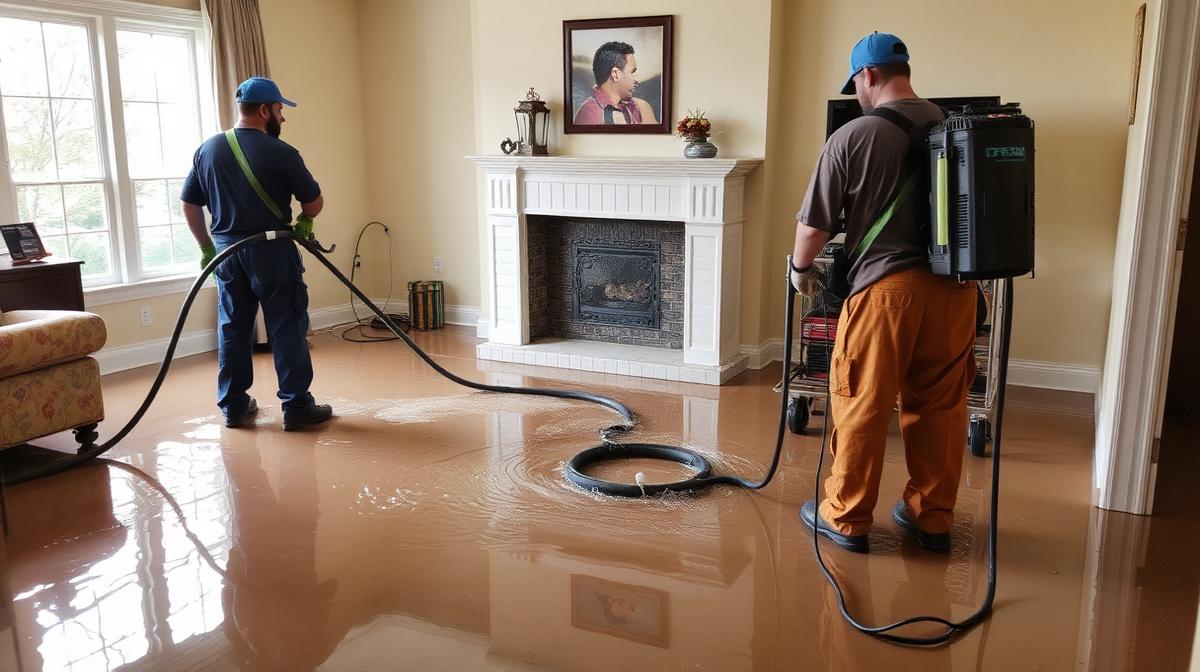

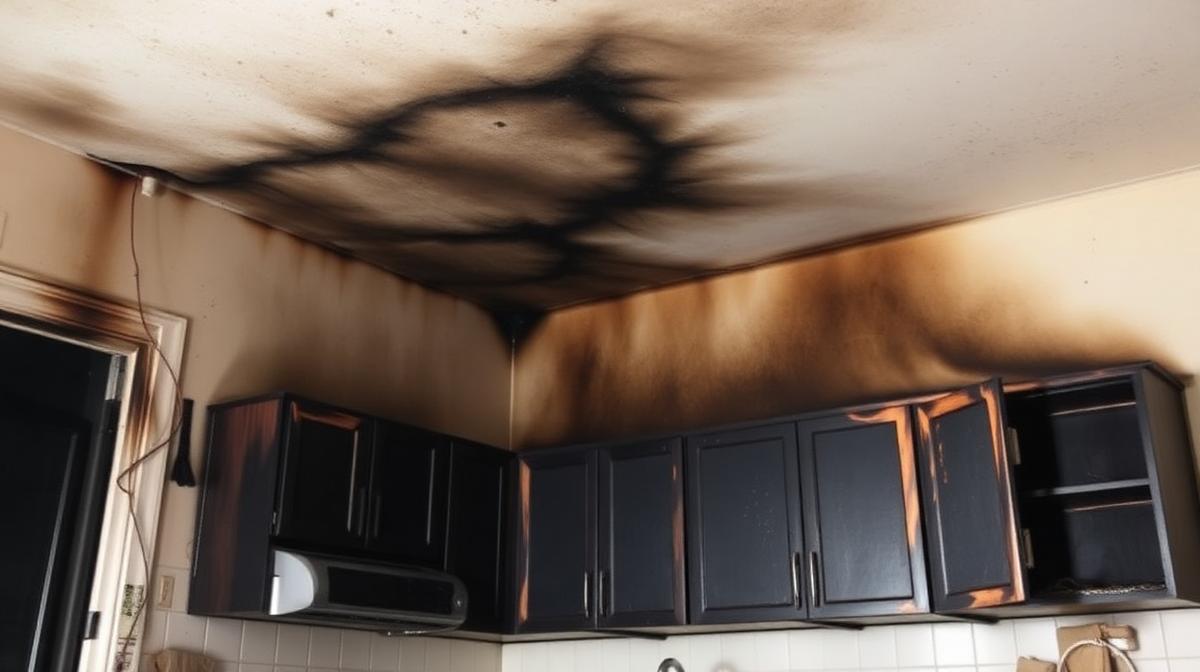
Compare water damage contractors near you
Need Help Right Now?
Phone: (470) 398-4095
✓ Directory help for Georgia homeowners
✓ Compare local water-damage contractors
✓ Contractor phones stay contractor-owned
EmesticaCure is a water damage contractor directory. Browse contractors or call (470) 398-4095 for help finding one.