
IICRC-Certified Water Damage Editorial Reviewer · Georgia Field Experience
Published: May 2, 2026Last Updated: May 2, 20268 min readReviewed against IICRC S500 / S520 / S700
5 Signs Water Damage Is Hiding Behind Your Walls
Updated May 2026
Hidden water damage behind walls causes mold, framing rot, and electrical hazards. 5 warning signs most homeowners miss and what to do next.
- →The five most reliable indicators are: discoloration or bubbling paint, a localized musty smell, warped baseboards or wall trim, soft spo…
- →Yes. Hidden moisture creates conditions for mold growth within 24–48 hours, and species like Aspergillus, Penicillium, and Stachybotrys r…
- →A professional moisture inspection with thermal imaging typically runs $150–$400. Some restoration companies waive the fee if you proceed…
- →Generally yes — if the source is sudden and accidental. Insurance excludes long-term, gradual leaks the homeowner could have noticed and …
A slow leak inside a wall cavity can run for months before a single visible stain appears. By the time water shows on the painted surface, the framing behind it is often already compromised, the insulation is saturated, and mold has been quietly establishing itself for weeks. The earlier you catch it, the smaller the repair.
This guide walks through the five most reliable early-warning signs of water damage behind walls — the ones restoration techs check first on every inspection. None of them require special tools. All of them are easy to miss if you are not paying attention.
Quick Answer — 5 Signs of Hidden Water Damage Behind Walls
Watch for: (1) paint that bubbles, peels, or discolors in a localized area, (2) a musty smell that lingers in one specific spot, (3) warped baseboards or buckling wall trim, (4) soft drywall when you press firmly, and (5) a sudden increase in your water bill with no change in usage. Two or more signs almost always means active moisture.
Why Hidden Water Damage Is So Dangerous
Visible water damage on a ceiling or floor gets attention. Hidden water damage inside a wall cavity does not — and that is exactly why it does more damage per dollar than almost any other home failure. Three factors make wall-cavity leaks especially destructive:
- Insulation hides it. Fiberglass batt insulation soaks up moisture and conceals it from view for weeks.
- Drywall is a one-way membrane. Water soaks the back side of the gypsum and migrates downward to the bottom plate before any sign appears on the painted face.
- Mold loves wall cavities. They are dark, warm, full of organic material (paper-faced drywall), and have nearly zero airflow.
Sign 1: Paint Discoloration or Bubbling
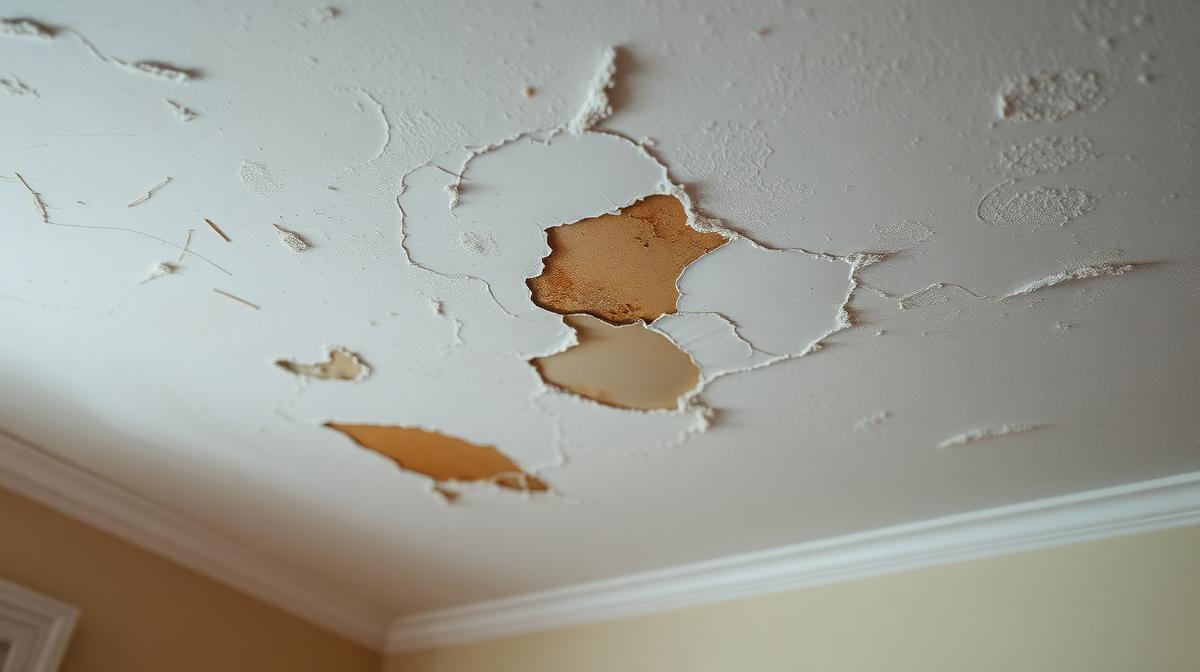
The first visible cue is almost always cosmetic — a faint yellow halo, a thumbnail-sized blister, or a slight color shift in one spot. Latex paint expands as the gypsum behind it absorbs moisture, and the paint film lifts away from the surface. By the time you notice it, the moisture has already saturated the drywall paper.
What to look for: any localized discoloration, especially below windows, near plumbing walls, around exterior corners, and at the base of walls that share a wall with a bathroom, laundry room, or kitchen.
Sign 2: A Musty Smell That Will Not Go Away
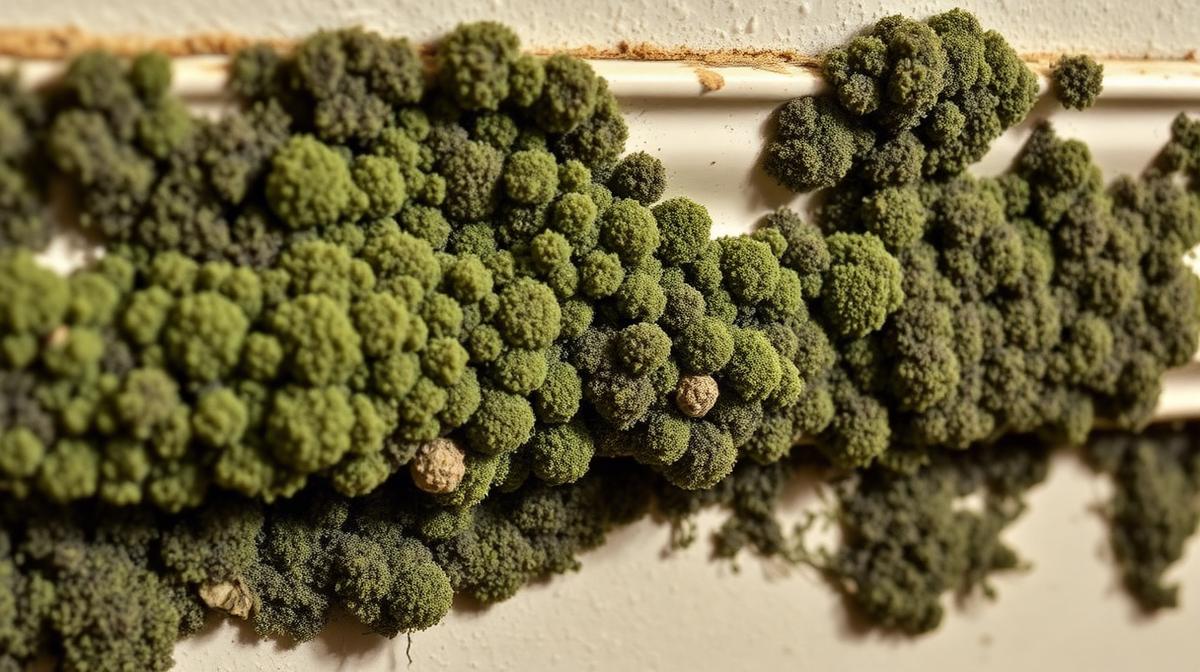
Mold growing on the back of drywall releases microbial volatile organic compounds. The human nose detects them at parts-per-billion concentrations, which is why a faint mildew smell often appears before any visible damage. If the smell intensifies near a single wall, gets stronger when the HVAC kicks on, or returns after you clean — it is hidden moisture. Read more about why a musty smell lingers after cleanup.
Sign 3: Warped Baseboards or Trim
MDF and pine baseboards swell as they absorb moisture from the drywall above them. The trim cups outward, separates from the wall, or shows hairline cracks at the joint. This is one of the most underrated indicators because most people blame settling rather than moisture. Pull the baseboard off the wall and feel the back. If it's damp or shows water staining, the wall cavity has been wet for weeks.
Sign 4: Soft Spots When You Press the Drywall
Healthy drywall feels rigid under thumb pressure. Wet drywall flexes slightly — like pressing on stale bread. Test the bottom 6 inches of the wall in any room where you suspect moisture. Any "give" means the drywall has absorbed water and lost structural integrity.
Sign 5: An Unexplained Spike in Your Water Bill
A pinhole leak in a copper supply line behind a wall can waste 50–300 gallons per day without making a sound. Your water bill is often the first place that leak shows up. Compare your current bill to the same month last year. A 30% increase with no change in household usage is a strong signal that water is going somewhere it should not.
What to Do If You Spot Any of These Signs
- Do not paint over it. Sealing a discolored area traps moisture and makes the eventual repair worse.
- Document with photos and date them. Critical for an insurance claim if it turns out to be active.
- Shut off the water main if you suspect a supply line leak. Wait 30 minutes. Read your meter. If the dial is still moving, you have an active leak.
- Call for a moisture inspection before opening the wall. A thermal camera and moisture meter pinpoint the source in 20 minutes without unnecessary damage.
Suspect hidden water damage right now?
Call EmesticaCure at (470) 398-4095 for a same-day moisture inspection. Thermal imaging, moisture meters, written report — free if you proceed with mitigation.
Why Professional Detection Beats DIY
The difference between cutting a small inspection hole in the right spot and demolishing 8 feet of drywall in the wrong spot is about $2,500. Pros narrow the search to a 6-inch target using thermal imaging and pinless moisture meters before any drywall comes off. Learn more about moisture mapping and the role of thermal imaging in water detection.
Where Hidden Water Damage Usually Originates
- Shower pan failure: The wall behind a tiled shower is the single most common hidden-damage location in metro Atlanta homes built between 1995 and 2015. Mortar bed pans were standard and they fail at 15–25 years.
- Toilet flange leak: A slow drip from a failing wax ring soaks the subfloor at the back of the bathroom and bleeds into the wall cavity below.
- Refrigerator ice maker line: Quarter-inch plastic lines crimped against the back wall fail at the compression fitting and run for weeks before anyone smells it.
- Window flashing failure: Particularly common on second-story windows installed during 1990s builds — water enters at the top corner and runs inside the wall down to the bottom plate.
- HVAC condensate overflow: A clogged primary drain pan in an attic-mounted air handler can dump 2–5 gallons a day into the ceiling below without producing any visible stain for the first two weeks.
What an Inspection Actually Costs in Metro Atlanta
A moisture and thermal inspection from a licensed restoration company in Cobb, Fulton, Gwinnett, or Forsyth runs $150–$350 if scheduled as a standalone visit. If the homeowner proceeds with mitigation or files an active claim, most companies (ours included) waive the inspection fee. Compared to the $5,000–$15,000 average cost of remediation when hidden damage gets discovered six months late, the inspection is the cheapest decision in the entire chain.
The Conversation to Have With Your Insurance First
Before opening a wall to investigate suspected hidden damage, call your carrier and ask whether discovery and source identification falls under your policy's "ensuing loss" coverage. Most do. The answer affects whether the moisture inspection itself becomes a reimbursable expense, and it locks in the date of discovery — which protects you against the "long-term seepage" exclusion that carriers use to deny claims discovered late.
Related Reading
8 broader signs of hidden water damage · why ceiling water stains matter · the water damage contractor directory.
Frequently Asked Questions
How do I know if there is water damage behind my walls?
The five most reliable indicators are: discoloration or bubbling paint, a localized musty smell, warped baseboards or wall trim, soft spots when you press firmly on the drywall, and unexplained spikes in your water bill. Any single sign warrants inspection; two or more almost certainly means moisture is present.
Can water damage behind walls cause health problems?
Yes. Hidden moisture creates conditions for mold growth within 24–48 hours, and species like Aspergillus, Penicillium, and Stachybotrys release spores and mycotoxins that aggravate asthma, trigger allergic reactions, and cause respiratory irritation. Children and immunocompromised residents are most affected.
How much does it cost to check for hidden water damage behind walls?
A professional moisture inspection with thermal imaging typically runs $150–$400. Some restoration companies waive the fee if you proceed with mitigation work or if the inspection is part of an active insurance claim.
Will my insurance cover damage behind walls if I did not know it was there?
Generally yes — if the source is sudden and accidental. Insurance excludes long-term, gradual leaks the homeowner could have noticed and addressed. Document discovery date carefully and have a licensed restoration company verify the loss origin before filing.
Can I just cut the wall open myself to check?
You can, but be careful about electrical wiring and plumbing inside the cavity. A 4-inch inspection hole in the bottom plate area is the safest approach. If you find anything wet or growing, stop and call a pro before disturbing it further — agitated mold spores spread quickly.
Related Articles You May Find Helpful

Compare water damage contractors near you
Need Help Right Now?
Phone: (470) 398-4095
✓ Directory help for Georgia homeowners
✓ Compare local water-damage contractors
✓ Contractor phones stay contractor-owned
EmesticaCure is a water damage contractor directory. Browse contractors or call (470) 398-4095 for help finding one.