
IICRC-Certified Water Damage Editorial Reviewer · Georgia Field Experience
Published: May 5, 2026Last Updated: May 5, 20268 min readReviewed against IICRC S500 / S520 / S700
Why Water Stains on Ceilings Should Never Be Ignored
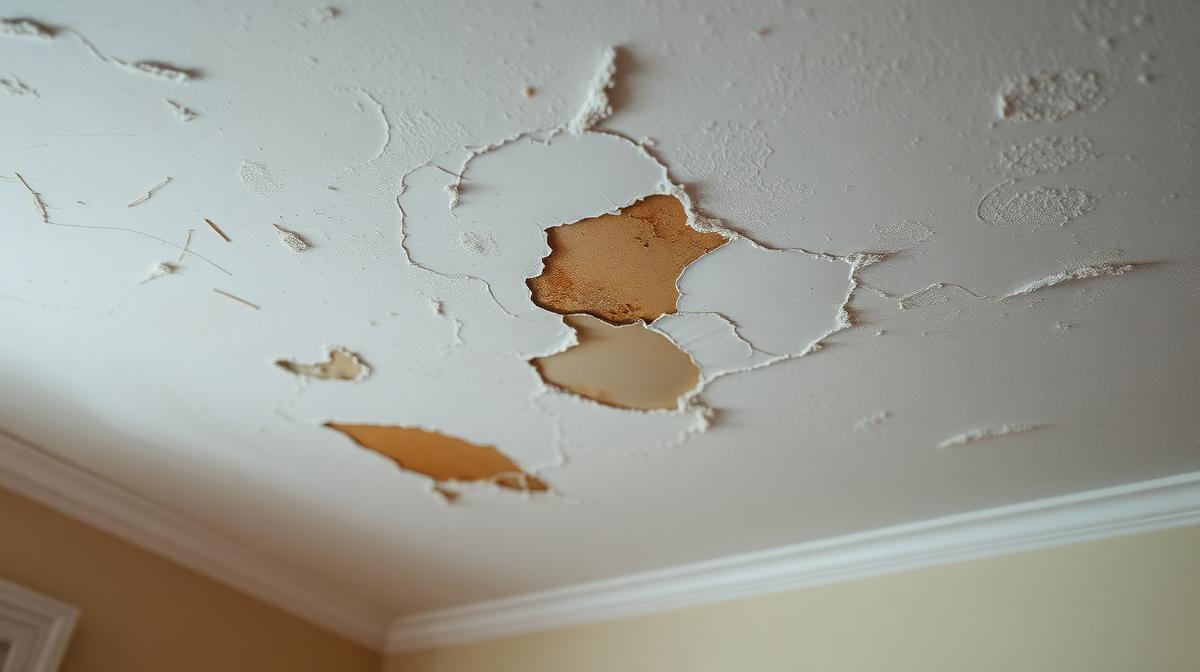
Ceiling water stains signal active leaks above. Decode each color and shape, find the source fast, and stop damage before mold or collapse starts.
- ›Not always, but you should assume so until proven otherwise. About 70% of new ceiling stains trace to an active leak — a slow drip from a…
- ›Yellow or brown stains usually indicate clean water with mineral deposits or tannins from wood framing — typically from a roof leak or su…
- ›Only after confirming the leak source is repaired AND the ceiling material is fully dry (below 1% MC). Painting over an active leak traps…
- ›Immediate emergency: sagging or bulging ceiling, water actively dripping, multiple stains spreading rapidly, or any musty odor. These ind…
Brown rings. Yellow halos. Soft sagging spots that weren't there last week. A ceiling stain is a status report from the leak above it — and most of them are still active when you first notice them. Painting over it without identifying the source is the most expensive mistake homeowners make on this kind of damage.
This guide explains how to read ceiling stains, what each color and pattern means, and what to do before reaching for the paint can.
Quick Answer — What Ceiling Water Stains Mean
A ceiling water stain almost always indicates an active or recent leak from a roof, plumbing line, HVAC condensate, or upstairs bathroom. Color and pattern point to the source: yellow/brown = clean water, dark/black = contaminated or moldy, ring patterns = repeated wet/dry cycles. Never paint over a fresh stain without identifying and repairing the source first.
What Is Actually Happening Inside the Ceiling
The visible stain on the ceiling surface is the last step in a multi-day process. Here is the actual sequence:
- Water enters the ceiling cavity from above.
- It absorbs into the back side of the drywall — the side you can't see.
- Capillary action pulls the water through the gypsum to the painted face.
- Dissolved minerals (calcium, iron, tannins) leave deposits on the paint as the moisture evaporates.
- The stain becomes visible — but the cavity is often still wet.
Reading the Stain: Color and Pattern
Yellow or Light Brown Halo
Most common. Indicates clean water with tannins from wood framing or trace minerals. Typical sources: roof leak, supply line drip, condensation from HVAC ducts. Recent and probably still active.
Dark Brown or Reddish-Brown
Older leak that has had multiple wet/dry cycles, or rust contamination from galvanized pipes. The leak has been ongoing for days or weeks.
Concentric Rings
Each ring represents a wet/dry cycle. Three rings = at least three separate water events at the same spot. Indicates a recurring leak (often a roof penetration, plumbing vent, or HVAC condensate line).
Gray, Black, or Greenish Tinge
Microbial growth has started — usually within 7–14 days of initial water exposure. Treat as a mold issue, not just a stain.
Sagging or Bulging
The drywall is saturated and the ceiling has lost structural integrity. Risk of collapse. Evacuate the room and call immediately.
Where the Water Usually Comes From
- Upstairs bathroom plumbing (#1 source overall): shower pan leak, toilet wax ring failure, tub overflow, supply line drip.
- Roof penetrations: plumbing vent boots crack with age (8–12 years), flashing around chimneys and skylights deteriorates.
- HVAC condensate overflow: in attic-mounted air handlers, the drain pan or condensate line clogs and water finds its way through the ceiling.
- Ice dams (rare in Georgia but possible after heavy snow): water backs up under shingles and into the ceiling.
- Storm-driven rain through siding gaps: water enters the wall, runs along the top plate, and ends up in the ceiling.
The Test That Tells You If It's Still Active
Mark the outer edge of the stain with a pencil — date and time. Check it 24 hours later. If the stain has expanded past your pencil line, the leak is still active. If it has not expanded, the source may already be resolved (but you still need to inspect for mold).
What NOT to Do
- Do not paint over it without confirming the source is fixed and the ceiling is dry. Paint traps moisture and the stain returns within weeks.
- Do not poke holes in a sagging ceiling to "let it drain" without a bucket and full understanding of how much water is up there. A bulging ceiling can dump 5+ gallons all at once.
- Do not ignore a faint stain in the hope that it will go away. It will get worse.
- Do not assume your roof is fine just because you do not see daylight in the attic. Most roof leaks travel along framing before reaching the ceiling.
The Right Response, in Order
- Identify and stop the source. Run water in the upstairs bathroom one fixture at a time to isolate plumbing leaks.
- Photograph the stain with timestamp.
- Open the ceiling for inspection — a 6-inch hole near the stain confirms cavity condition.
- Measure moisture content. Above 1% MC means continued drying needed.
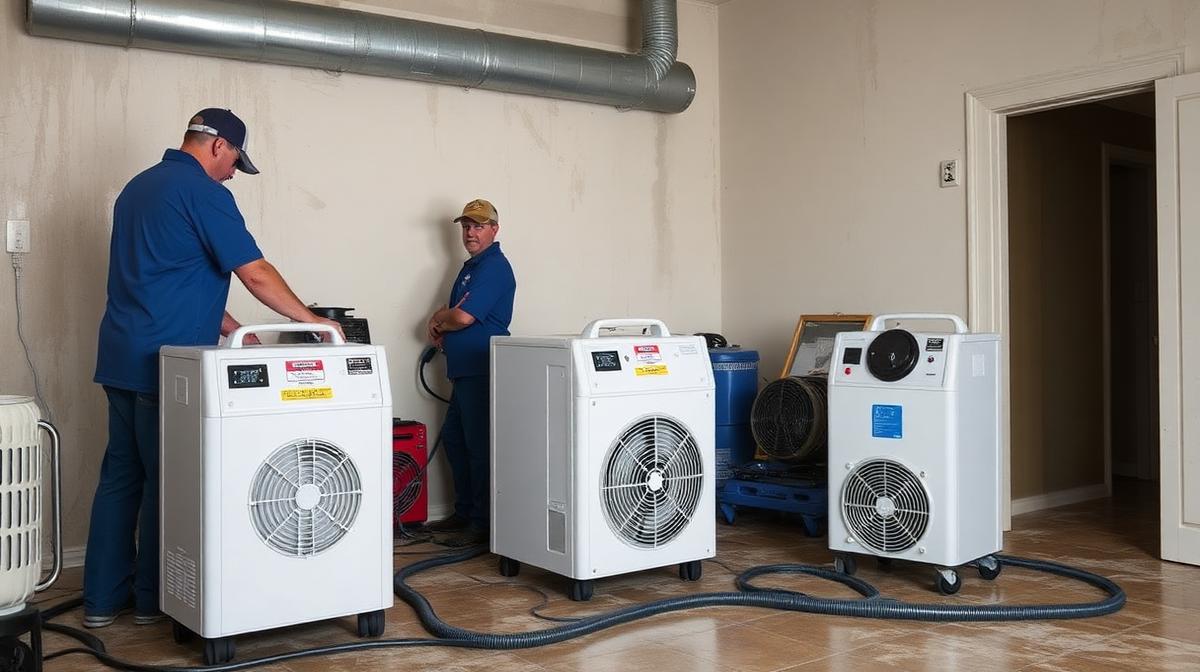
- Dry to standard with air movers and a dehumidifier (24–72 hours typical).
- Treat with antimicrobial if any growth is suspected.
- Replace affected drywall, prime with oil-based stain blocker, paint to match.
Active ceiling leak right now?
Call listed contractors directly and ask about current availability, source diagnosis, moisture readings, and written repair scope.
What Each Stain Color Actually Means
- Yellow or light brown ring: Old, dried, sometimes inactive. The yellow comes from tannins in the wood framing above leaching through with the water. A single dry ring with no soft spot can be cosmetic — but a re-wetted ring is always active.
- Dark brown or coffee-colored center: Multiple wetting cycles. The leak above is intermittent — common with roof flashing failures that only leak during driving rain from certain directions.
- Gray or black mottling: Microbial growth is present in the ceiling cavity above. This is no longer a leak conversation; it's a remediation conversation.
- Reddish or rust-tinged: Water passed through metal — typically a leaking HVAC drain pan or a corroding pipe. The source is mechanical, not weather-related.
- White or chalky crystalline: Efflorescence from minerals in the water. Common with slow plumbing leaks; the water evaporated and left the salts behind.
How to Tell If the Leak Is Still Active
Push gently on the center of the stain with one finger. If the drywall flexes or feels soft, the cavity is still wet. If it feels dry and firm but the stain looks fresh, run the upstairs shower or check the HVAC overflow pan above — many active leaks only run during use. Place a small piece of foil over the stain edge with painter's tape; check it in 24 hours. Moisture beading on the foil means active.
The Most Common Atlanta-Specific Causes
HVAC condensate overflows from attic-mounted air handlers — by far the most common cause in metro Atlanta homes between June and September. Roof flashing failures around chimneys and skylights from windblown rain. Second-floor toilet wax ring failures that show up as a stain on the kitchen or family room ceiling below. Failed shower pans on second-story bathrooms — particularly in homes built 1995–2010.
What the Adjuster Will Ask
When you file a claim for a ceiling water stain, expect three questions: when did you first notice it, what is directly above it, and has the stain grown since you first saw it. Have honest answers ready — and if you noticed it months ago and didn't address it, say so. The "long-term seepage" exclusion is what carriers use to deny claims that should have been filed earlier. Acting promptly protects coverage.
Related Reading
Ceiling water damage repair cost in Atlanta · Roof leak water damage guide · Hidden water damage behind walls · Mold growth timeline after a leak · Water damage contractor directory.
Frequently Asked Questions
Are ceiling water stains always a sign of an active leak?
Not always, but you should assume so until proven otherwise. About 70% of new ceiling stains trace to an active leak — a slow drip from a supply line, roof, or HVAC condensate. The remaining 30% are residual stains from a past leak that was repaired but never properly sealed and repainted.
What does the color of a ceiling water stain tell me?
Yellow or brown stains usually indicate clean water with mineral deposits or tannins from wood framing — typically from a roof leak or supply line. Dark gray or black stains suggest contaminated water (HVAC condensate with biological growth) or active mold. Reddish-brown often points to rusted galvanized pipes.
Is it safe to paint over a ceiling water stain?
Only after confirming the leak source is repaired AND the ceiling material is fully dry (below 1% MC). Painting over an active leak traps moisture, accelerates mold growth, and the stain bleeds through within weeks. Use a stain-blocking primer like BIN or Kilz Original after drying — never water-based primer over fresh stains.
When does a ceiling water stain become an emergency?
Immediate emergency: sagging or bulging ceiling, water actively dripping, multiple stains spreading rapidly, or any musty odor. These indicate either active water accumulation in the ceiling cavity (collapse risk) or established mold growth. Call a restoration company within the hour.
How much does it cost to fix a ceiling water stain in Georgia?
Cosmetic-only repair (small stain, leak already fixed): $200–$500. Stain plus drywall replacement: $600–$1,500 for a typical bedroom ceiling. Stain plus active leak plus mold remediation: $2,500–$8,000. Read more in our Atlanta-specific guide on ceiling water damage repair cost.
Related Articles You May Find Helpful

Compare water damage contractors near you
Need Help Right Now?
Phone: (470) 398-4095
✓ Directory help for Georgia homeowners
✓ Compare local water-damage contractors
✓ Contractor phones stay contractor-owned
EmesticaCure is a water damage contractor directory. Browse contractors or call (470) 398-4095 for help finding one.