
IICRC-Certified Water Damage Editorial Reviewer · Georgia Field Experience
Published: May 17, 2026Last Updated: May 17, 20268 min readReviewed against IICRC S500 / S520 / S700
How Fast Does Mold Grow After a Water Leak?
Updated May 2026
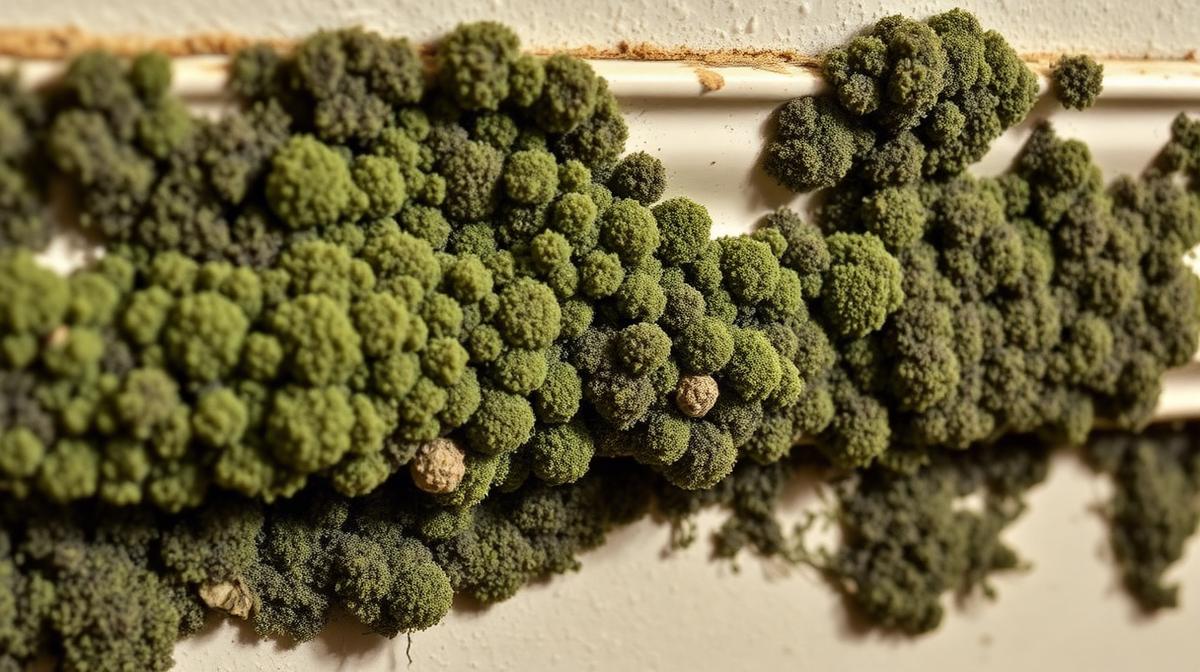
Mold growth timeline after a water leak: spores germinate in 24–48 hours, visible colonies by day 3. Georgia humidity accelerates each stage.
- ▸Mold spores activate within 24–48 hours of moisture contact with porous material. Visible colonization typically appears at 3–7 days. The…
- ▸Sustained moisture above 16% MC in materials, relative humidity above 60%, temperatures between 70–90°F, and organic food sources like dr…
- ▸Often yes. Aggressive drying within the first 24 hours — air movers, dehumidifiers, and material removal where needed — prevents most spo…
- ▸Not equally. Many household molds cause allergies and respiratory irritation. Stachybotrys chartarum (black mold) and certain Aspergillus…
Mold spores are everywhere — floating in the air, sitting on surfaces, waiting. The only thing they need is moisture. Once a leak hits a porous surface and stays there, the clock starts. Here's the hour-by-hour timeline of what's actually happening — and the cutoff window after which prevention becomes remediation.
Quick Answer — Mold Growth Timeline
Mold spores activate within 24–48 hours of moisture contact with porous material. Visible growth appears at 3–7 days. Aggressive drying within the first 24 hours prevents most colonization; after 48 hours, antimicrobial treatment and material removal become necessary.
Hour-by-Hour Timeline
- Hour 0–6: Water absorbs into porous materials. No microbial activity yet.
- Hour 6–24: Existing spores on surfaces begin metabolizing the moisture. Microscopic activity but nothing visible.
- Hour 24–48: Spores germinate. Hyphae (root structures) extend into the material. Musty odor begins.
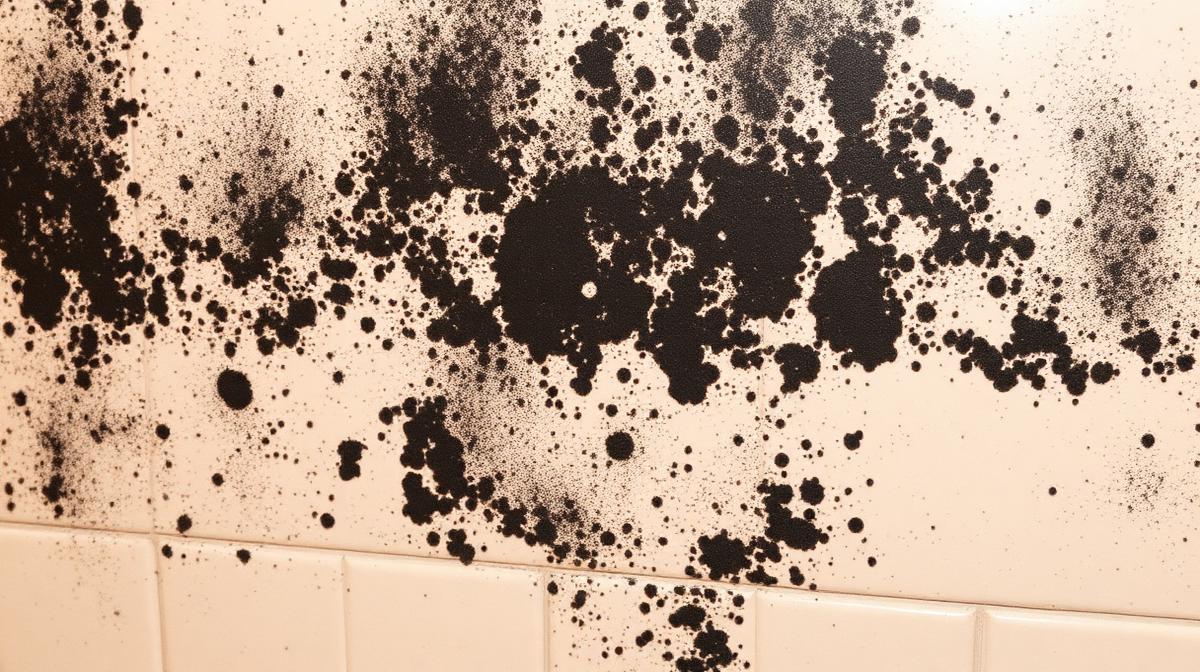
- Day 3–7: Visible colonies appear. Colors vary by species — green (Penicillium), black (Stachybotrys), white (Cladosporium).
- Day 7–14: Established colonies release new spores into the air. Cross-contamination begins.
- Week 2–4: Structural damage to drywall paper, wood, and insulation. Health symptoms appear in occupants.
What Accelerates Growth
- Sustained moisture above 16% MC in materials
- Relative humidity above 60%
- Temperatures 70–90°F (Georgia summer indoor conditions are nearly ideal)
- Organic food source — drywall paper, wood, carpet backing, insulation paper facing
- Limited airflow — wall cavities, attics, basements
- Darkness
Why the 24-Hour Window Matters
Before spores germinate, you can prevent colonization simply by removing the moisture. After germination, you have to remove the colony itself — typically along with the porous material it grew on. The cost difference is dramatic: $1,500 prevention vs $15,000 remediation.
The Drying Standards That Beat the Clock
IICRC S500 sets drying targets that prevent mold: wood framing below 16% MC, drywall below 1% MC, and ambient RH below 50%. Industrial dehumidifiers achieve those numbers in 3–5 days; consumer equipment usually cannot.
Health Effects to Watch For
- Persistent cough or congestion
- Eye, nose, throat irritation
- Asthma flare-ups
- Headaches and fatigue
- Skin rash
Symptoms that improve when you leave the home and return when you come back are classic indicators of indoor mold exposure.
Water leak in your home? Start the clock now.
Call listed contractors directly and ask who can start extraction and drying soonest.
The Real Timeline, Hour by Hour
- 0–24 hours: Spores already present in the home (and they are always present) begin germinating wherever moisture content rises above 16% in cellulose materials. No visible growth yet.
- 24–48 hours: Hyphae — the thread-like structures of fungi — begin extending into wet drywall paper, wood, and carpet backing. Still typically invisible to the naked eye, but a trained nose can pick up early MVOCs.
- 48–72 hours: First visible colonies appear — small discolored spots on drywall paper or wood. Aspergillus and Penicillium species dominate this window because they grow fastest.
- 3–7 days: Colonies coalesce, spore production begins, airborne spore counts in the room rise sharply. This is when other rooms start to smell musty even though they were never wet.
- 1–3 weeks: Stachybotrys chartarum (black mold) and Chaetomium establish themselves on cellulose that has stayed wet the whole time — drywall paper especially. These slower-growing species are the ones with the most serious health implications.
- 30+ days: Structural decay begins. Wood framing loses load-bearing strength. Insurance carriers may deny portions of the claim citing "long-term damage" exclusion.
Why Georgia's Climate Compresses This Timeline
The 24-to-48-hour benchmark in IICRC guidance assumes 70°F and 50% RH. Atlanta in July sits closer to 78°F and 65% RH indoors when the AC is running normally. Those conditions cut the visible-growth window from 48 hours down to roughly 30–36 hours. After a power outage when the AC is down, all bets are off — industry reports and field observations have found visible colonies on drywall paper inside 22 hours.
The Only Reliable Way to Beat the Clock
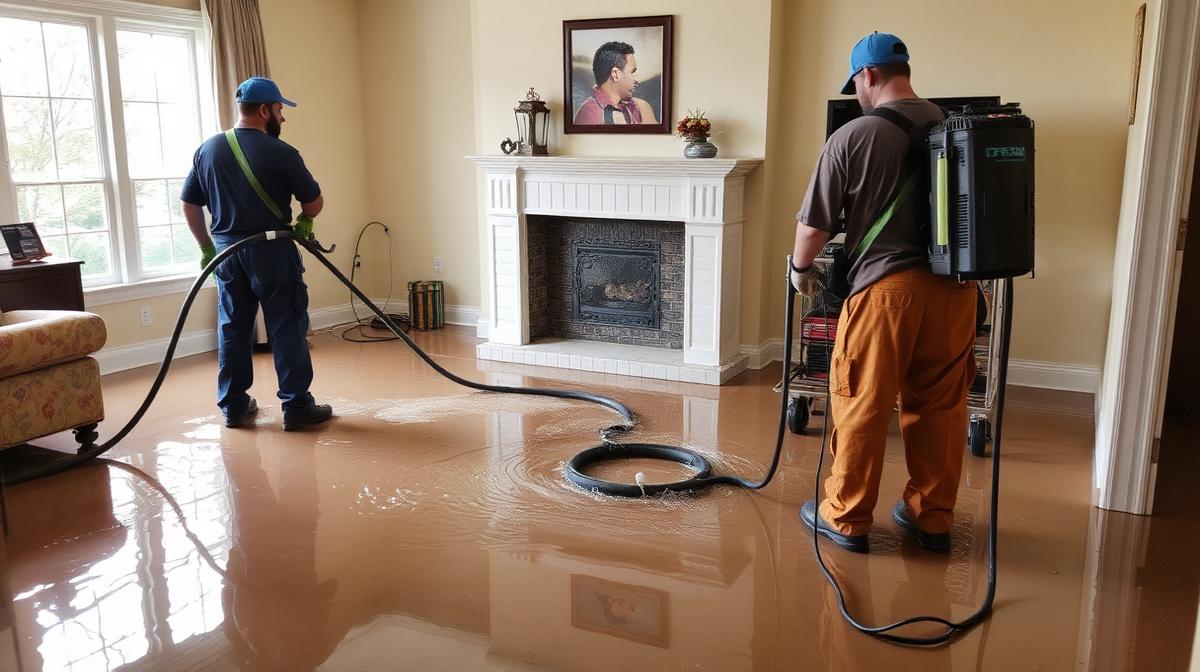
Get a moisture-trained crew on site within 6 hours of discovering the loss. They will extract standing water within the first hour, set drying equipment within 90 minutes, and have ambient humidity below 45% within 4 hours. That sequence — extract, contain, dehumidify, monitor — keeps wet materials from staying in the 16%+ moisture range long enough for spores to germinate. Skip any of those steps and you're not preventing mold, you're scheduling it.
Materials Most Vulnerable to Fast Growth
Paper-faced drywall and the kraft facing on fiberglass insulation are the fastest substrates because the paper is essentially pure cellulose. Solid wood framing is slower because moisture has to penetrate the cell structure. Engineered hardwood, OSB subfloor, and MDF cabinetry sit between the two. Concrete, tile, and metal don't grow mold themselves but support it on any dust or organic film coating them.
The Two Most Effective Prevention Habits
First, treat any water loss larger than a coffee spill as a 6-hour deadline. The clock to mold starts the moment water touches porous material; get extraction and drying equipment in place inside that window and the timeline never gets a chance to begin. Second, keep indoor relative humidity below 55% year-round. A whole-home dehumidifier integrated into the HVAC system runs about $1,800–$3,200 installed in metro Atlanta and pays for itself the first time it prevents a mold callback after a minor leak.
Related Reading
Mold after water damage in Georgia · Why a musty smell lingers · Moisture mapping for mold prevention.
Frequently Asked Questions
How fast does mold grow after a water leak?
Mold spores activate within 24–48 hours of moisture contact with porous material. Visible colonization typically appears at 3–7 days. The growth rate doubles roughly every 24 hours under ideal conditions (above 60% RH, 70°F+, organic food source).
What conditions make mold grow faster?
Sustained moisture above 16% MC in materials, relative humidity above 60%, temperatures between 70–90°F, and organic food sources like drywall paper, wood, or carpet backing. Georgia's humid summer climate hits all four conditions easily.
Can I stop mold growth if I dry the area within 24 hours?
Often yes. Aggressive drying within the first 24 hours — air movers, dehumidifiers, and material removal where needed — prevents most spore activation. After 48 hours, prevention becomes much harder and antimicrobial treatment becomes necessary.
Is all mold dangerous?
Not equally. Many household molds cause allergies and respiratory irritation. Stachybotrys chartarum (black mold) and certain Aspergillus species produce mycotoxins that pose more serious health risks. Identification requires lab sampling — never assume a species by appearance alone.
Will insurance cover mold from a water leak?
Most policies cover mold remediation only when caused by a covered water loss AND when prompt mitigation was attempted. Coverage is typically capped at $5,000–$10,000. Slow leaks that allowed mold to develop unaddressed are usually excluded.
Related Articles You May Find Helpful
Compare water damage contractors near you
Need Help Right Now?
Phone: (470) 398-4095
✓ Directory help for Georgia homeowners
✓ Compare local water-damage contractors
✓ Contractor phones stay contractor-owned
EmesticaCure is a water damage contractor directory. Browse contractors or call (470) 398-4095 for help finding one.