
IICRC-Certified Water Damage Editorial Reviewer · Georgia Field Experience
Published: May 7, 2026Last Updated: May 7, 20269 min readReviewed against IICRC S500 / S520 / S700
Heavy Rainfall and Flash Flooding: What Homeowners Should Prepare For
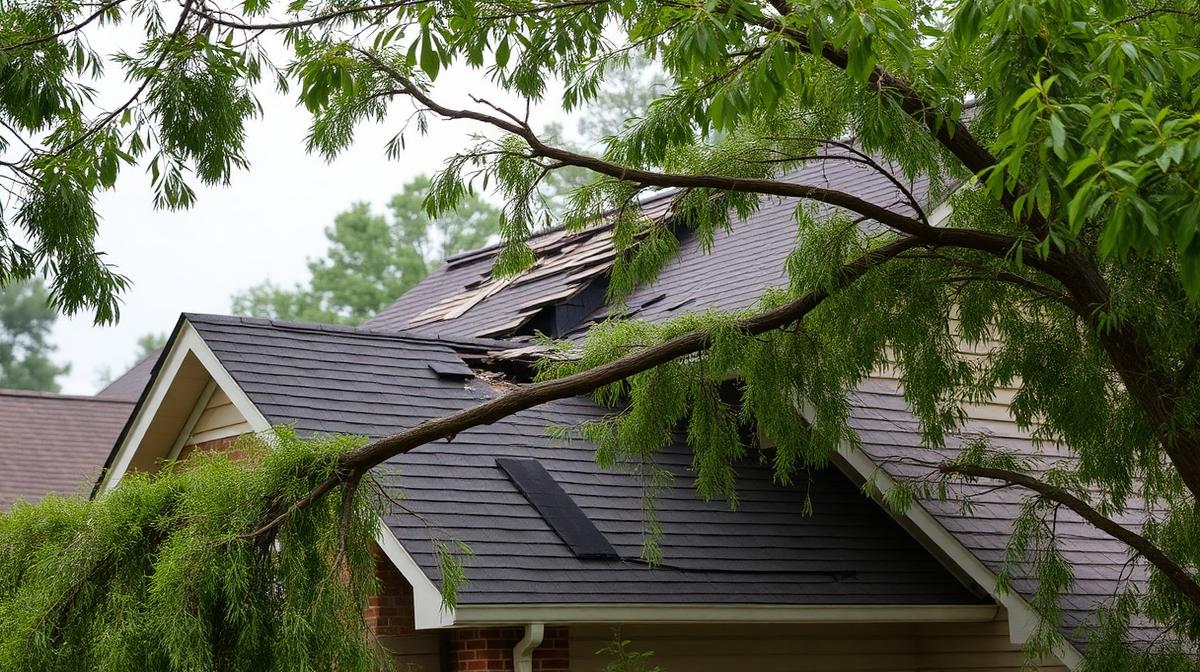
Flash flooding can put 6 inches of water in your home in under an hour. Preparation, response, and what your homeowners policy actually covers.
- •A flash flood is a sudden, rapid rise of water — typically within 6 hours of the triggering rainfall — caused by intense storms, dam fail…
- •Often less than 30 minutes. The National Weather Service issues a Flash Flood Warning when flooding is imminent or already happening. By …
- •No — and this catches most homeowners off guard. Flash flooding is classified as flood damage under standard insurance definitions, which…
- •Move to the highest accessible floor, take essentials (phone, charger, medications, IDs, pets), shut off electricity at the main breaker …
A flash flood doesn't politely warn you. The creek behind your subdivision can rise eight feet in 45 minutes. A storm drain that has worked for 30 years can clog with debris and back up into your street within an hour. Flash flooding is the most underestimated weather hazard in the Southeast — and the one most homeowners are least prepared for.
This guide covers the realistic preparation window, the response sequence when water starts rising, and the insurance line that determines whether you are covered or completely on your own.
Quick Answer — Flash Flooding Preparation Basics
Flash floods give little to no warning. Preparation requires: NFIP flood insurance (30-day waiting period), an emergency supply kit on the highest floor, sandbags or flood barriers staged before storm season, an evacuation route that avoids low-water crossings, and knowledge of where to shut off utilities. Standard homeowners insurance does NOT cover flash flood damage.
What Makes Flash Flooding Different
Regular flooding builds over days as rivers swell. You have time to react, move belongings, and evacuate. Flash flooding compresses that timeline into minutes. Three conditions cause it:
- Intense rainfall in a short time — typically 2+ inches in under an hour over saturated ground.
- Drainage system failure — clogged storm drains, undersized culverts, or upstream debris dams.
- Topography — narrow valleys, low-lying neighborhoods, or paved areas with limited absorption.
Why It Matters: The Insurance Gap
Flash flood damage falls under the "flood" definition in every standard homeowners policy in the U.S. — which means it is excluded. The only coverage that pays for flash flood losses is an NFIP flood policy or a private flood policy. Both have a 30-day waiting period from purchase to effective date. You cannot buy coverage when the storm warning is issued; you have to already have it.
About 25% of NFIP claims come from properties outside mapped flood zones — meaning even if your address is technically "low risk," urban drainage failures can still flood your home. Read more about water vs flood insurance coverage.
The 30-Day Preparation Checklist
Insurance & Documentation
- Verify your flood insurance is active (or purchase NFIP coverage — remember the 30-day waiting period)
- Photograph or video every room in your home for claim documentation
- Store digital copies of policy documents, IDs, and titles in cloud storage
- Maintain a current home inventory with receipts for high-value items
Physical Preparation
- Stage sandbags or modern flood barriers before storm season starts
- Install check valves on basement drains to prevent sewer backup
- Anchor fuel tanks (propane, oil) so they cannot float away
- Elevate appliances, electrical panels, and HVAC equipment above the base flood elevation if possible
- Keep a battery-powered sump pump or backup power source ready
Emergency Kit (kept on the highest accessible floor)
- Three days of drinking water (1 gallon per person per day)
- Non-perishable food, can opener, flashlight, batteries
- NOAA weather radio
- First aid kit and prescription medications
- Cell phone chargers and a battery bank
- Cash in small bills (ATMs may be inaccessible)
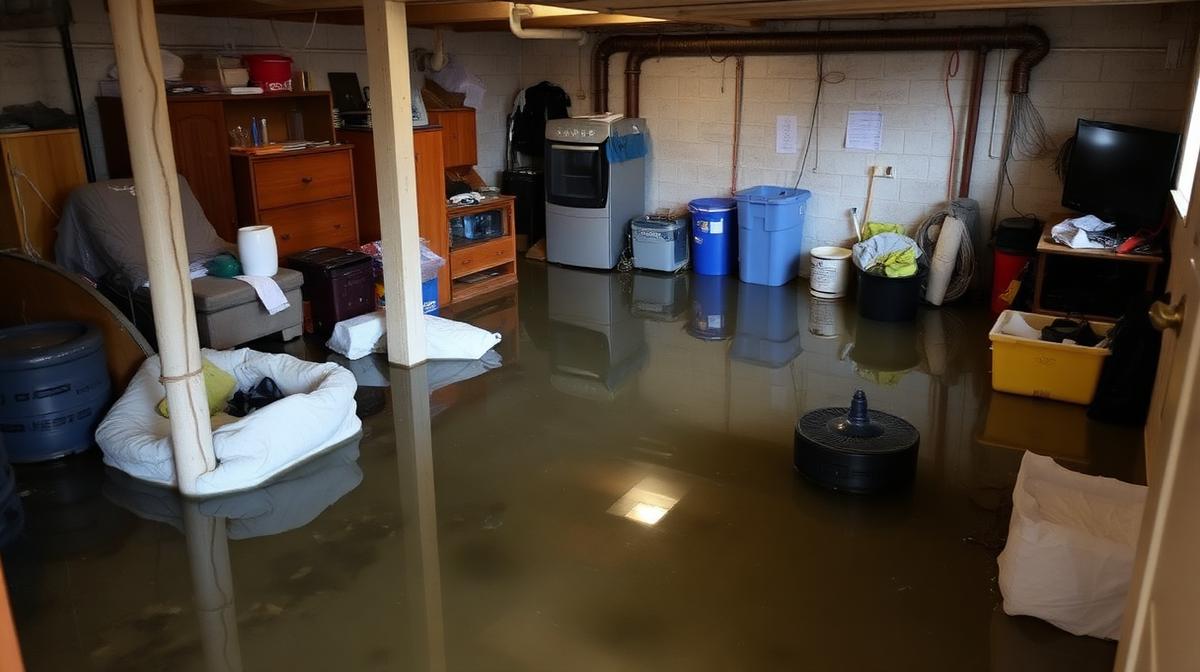
The First 5 Minutes When Water Starts Rising
- Move to the highest accessible floor — never the attic without a roof escape route.
- Shut off electricity at the main breaker if water is approaching outlets or appliances. See our guide on electrical hazards from water damage.
- Take the emergency kit, medications, important documents, and pets to the high floor.
- Call 911 if you cannot safely evacuate. Stay in place rather than entering moving water.
- Do NOT drive through flooded roadways. "Turn around, don't drown" — 6 inches of fast water can sweep a vehicle off the road.
The First 24 Hours After the Water Recedes
- Wait for official "all clear" before re-entering the home.
- Photograph everything before moving anything — critical for insurance.
- Do not turn power back on until a licensed electrician inspects the system.
- Assume floodwater is Category 3 — wear gloves, boots, and respirator. Read about Category 3 water hazards.
- Call your insurance carrier and a licensed restoration company simultaneously.
- Discard food, medications, and cosmetics that contacted floodwater.
Flash flooding damaged your Georgia home?
Call listed contractors directly and ask about Category 3 water protocols, PPE, and NFIP documentation.
The 30-Minute Pre-Storm Sequence That Actually Helps
When a flash flood watch is issued for your county, the window between watch and water-in-the-house is sometimes only an hour. The actions that matter in that window are simple but rarely planned in advance.
- Move vehicles to higher ground. Insurance treats flooded cars as total losses 80% of the time.
- Lift anything from the basement or garage floor onto shelving — boxes of photos, electronics, anything irreplaceable.
- Roll up rugs and place on furniture or upstairs.
- Unplug everything in low-lying areas. Cut power at the breaker for affected circuits if water is imminent.
- Fill the bathtub. Tap water often goes off during regional flooding, and you'll want clean water for drinking and toilet flushing.
- Charge phones and any battery banks. Power outages routinely follow flash flooding by 2–6 hours.
The Georgia Geography That Makes Flash Flooding Worse
Metro Atlanta's combination of clay soil, dense impervious surface from paving, and stream channels that were engineered for 1970s rainfall volumes means flash flooding regularly overwhelms creeks that haven't flooded in decades. Subdivisions along Nancy Creek, Peachtree Creek, Sope Creek, and the dozens of smaller tributaries feeding the Chattahoochee see flash floods after 2-inch rainfalls that would have been routine 40 years ago.
Insurance: The Line That Decides Everything
Flash flood water is, by IRS and FEMA definition, flood. That means standard homeowners insurance does not cover it — only an NFIP flood policy does. The 30-day waiting period before a new flood policy takes effect is the reason this article is published in spring rather than during hurricane season. The time to buy flood insurance is months before you need it.
What to Do in the First Hour After Water Recedes
Document everything before touching anything. Photo every wall, every wet item, every standing waterline. Call your flood insurance carrier (if you have one) and a licensed restoration company in that order. Do not enter the basement until you've confirmed power is off and the water is not actively rising. Floodwater is Category 3 by default — boots, gloves, no skin contact.
Related Reading
Immediate steps after flood damage · Spring storms and Georgia basement flooding · Hurricane season water damage risks.
Frequently Asked Questions
What exactly is a flash flood?
A flash flood is a sudden, rapid rise of water — typically within 6 hours of the triggering rainfall — caused by intense storms, dam failures, or rapid snowmelt overwhelming local drainage. Unlike river flooding which builds over days, flash floods give little to no warning and produce the most fatalities of any weather event in the U.S.
How much warning do homeowners get before a flash flood?
Often less than 30 minutes. The National Weather Service issues a Flash Flood Warning when flooding is imminent or already happening. By the time you receive the alert on your phone, water may already be rising in your area. Pre-positioning supplies and an evacuation plan is the only reliable preparation.
Does homeowners insurance cover flash flood damage?
No — and this catches most homeowners off guard. Flash flooding is classified as flood damage under standard insurance definitions, which means it is excluded from every standard homeowners policy in the United States. You need a separate National Flood Insurance Program (NFIP) policy, with a 30-day waiting period before coverage begins.
What should I do in the first 5 minutes of a flash flood?
Move to the highest accessible floor, take essentials (phone, charger, medications, IDs, pets), shut off electricity at the main breaker if water is rising indoors, and do NOT walk or drive through moving water. Six inches of fast-moving water can knock an adult down; two feet can carry a vehicle away.
How do I know if my Georgia home is in a flash flood zone?
Check FEMA's flood map service (msc.fema.gov) and enter your address. Properties in Zone A, AE, or V are in mapped Special Flood Hazard Areas. Even properties outside mapped zones can experience flash flooding from urban drainage failures — about 25% of NFIP claims come from outside designated flood zones.
Related Articles You May Find Helpful
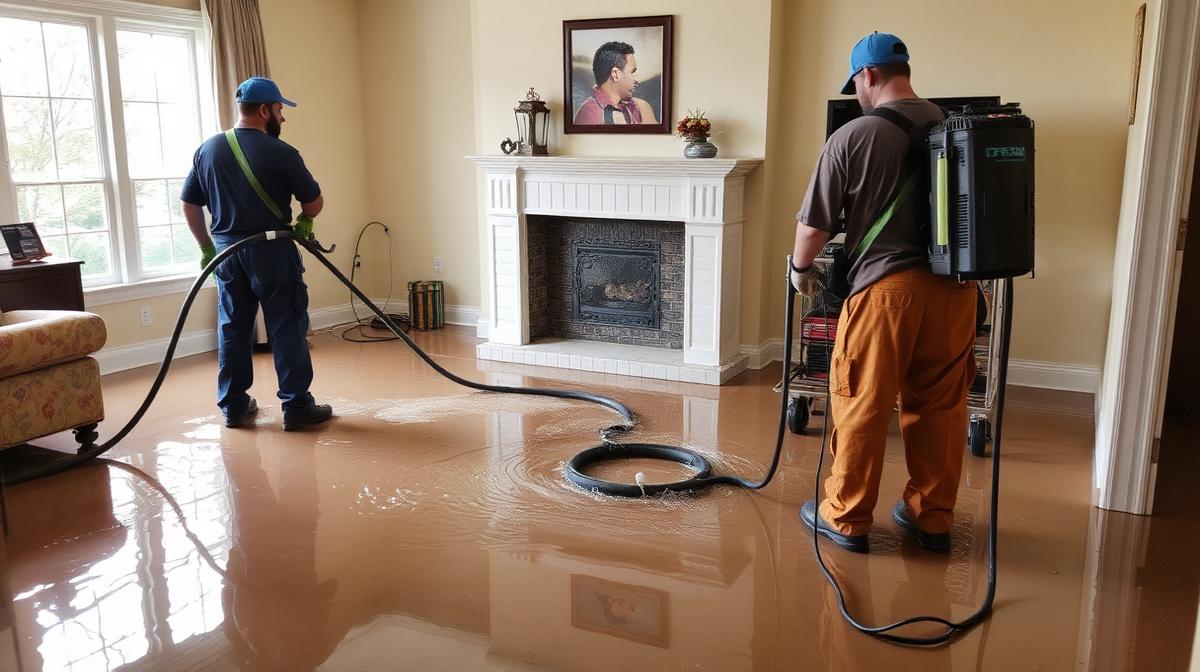

Compare water damage contractors near you
Need Help Right Now?
Phone: (470) 398-4095
✓ Directory help for Georgia homeowners
✓ Compare local water-damage contractors
✓ Contractor phones stay contractor-owned
EmesticaCure is a water damage contractor directory. Browse contractors or call (470) 398-4095 for help finding one.