
IICRC-Certified Water Damage Editorial Reviewer · Georgia Field Experience
Published: May 6, 2026Last Updated: May 6, 20269 min readReviewed against IICRC S500 / S520 / S700
Why Spring Storms Increase Basement Flooding Risks in Georgia
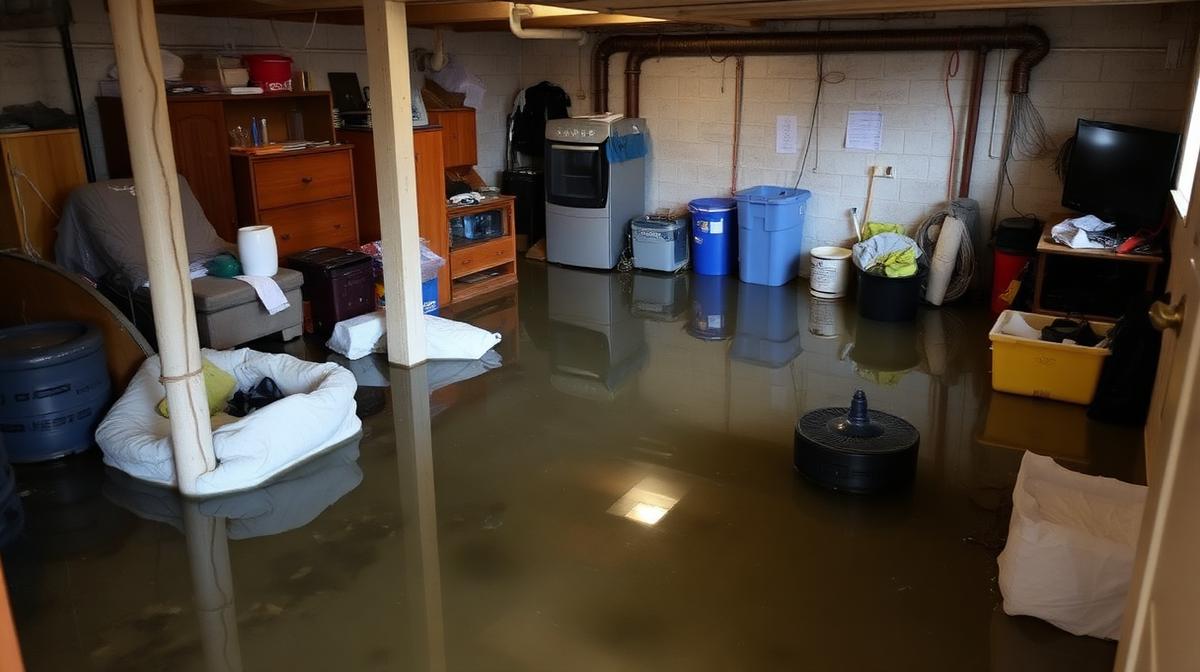
Georgia spring storms overwhelm gutters, sump pumps, and saturated soil. Why basements flood from March–May and how to harden yours before the next system.
- —Three reasons stack up in March–May: total rainfall peaks (Georgia averages 4.5 inches per month), soil is already saturated from winter …
- —It depends on the water path. Water that enters through the foundation, walls, or windows because of surface runoff or rising groundwater…
- —Check four things: (1) does water pool against your foundation during rain, (2) is your sump pump operational with a battery backup, (3) …
- —Sump pump failure during a power outage — by a wide margin. The storms that produce the most rain are also the ones that knock out power.…
Georgia's wettest months are March through May. Soil that was waterlogged all winter cannot absorb a 2-inch rainfall in 90 minutes. That water has to go somewhere — and far too often, it ends up in a basement. If you have lived in Georgia through a few spring storm seasons, you already know this. What most homeowners don't know is which failure points multiply the risk and which preventive measures actually work.
This guide breaks down why spring is the worst basement-flooding season in the Southeast, the four failure points pros inspect first, and how to harden your home before the next severe weather system rolls through.
Quick Answer — Why Georgia Basements Flood in Spring
Georgia basements flood in spring because saturated red-clay soil cannot absorb rapid rainfall, severe thunderstorms produce 1–3 inch/hour bursts that overwhelm drainage, and storm-related power outages disable sump pumps at the exact moment they are needed. Most basement floods are preventable with gutter maintenance, proper grading, and a battery-backed sump pump.
Why Spring Hits So Hard
Three meteorological and geological factors converge between March and May:
1. Soil Saturation Maxes Out
Winter rains and snowmelt fill the top 3 feet of soil to near capacity by late February. Red clay drains at less than 0.1 inches per hour — close to nothing. A new spring rainfall event has nowhere to go, so it runs across the surface and pools at the lowest point near your home, often the foundation.
2. Severe Thunderstorm Intensity
Spring storms in Georgia produce some of the highest rainfall rates of the year. The National Weather Service has logged 2–3 inch/hour bursts in metro Atlanta multiple times per spring. Gutters are sized for 1 inch/hour. The math does not work.
3. Power Outage Frequency
Severe thunderstorms knock out power across the Atlanta metro on average 8–14 times per spring season. Without electricity, sump pumps stop pumping. Many failures happen during a multi-hour outage in the middle of a rainstorm.
The Four Failure Points
Failure Point 1: Sump Pump Without Backup
A $200 sump pump without a battery backup is the single most common causes of basement flooding in spring. A $300 battery backup adds 6–12 hours of pumping during a power outage — long enough to ride out almost any storm. This upgrade alone prevents an average $15,000 flood claim.
Failure Point 2: Gutters and Downspouts
Clogged gutters dump water directly against the foundation. Downspouts that empty within 3 feet of the wall route the same water into the basement through soil seepage. Extend every downspout to at least 6 feet from the house — ideally 10 feet on grade-challenged lots.
Failure Point 3: Negative Grading
The ground around the foundation should slope away at 1 inch per foot for the first 6 feet. Settling, landscaping, and erosion gradually reverse this grade. Walk your foundation perimeter after a rain — if water pools anywhere within 3 feet of the wall, grading needs correction. Read more in our full Georgia basement flooding causes guide.
Failure Point 4: Foundation Cracks
Georgia's clay-driven expansion-contraction cycle opens hairline cracks in poured concrete and CMU foundation walls. A crack the width of a pencil is enough to let 1+ gallons per minute through during a storm. Inspect annually and epoxy-inject any visible cracks before spring.
The Insurance Trap Most Homeowners Don't See
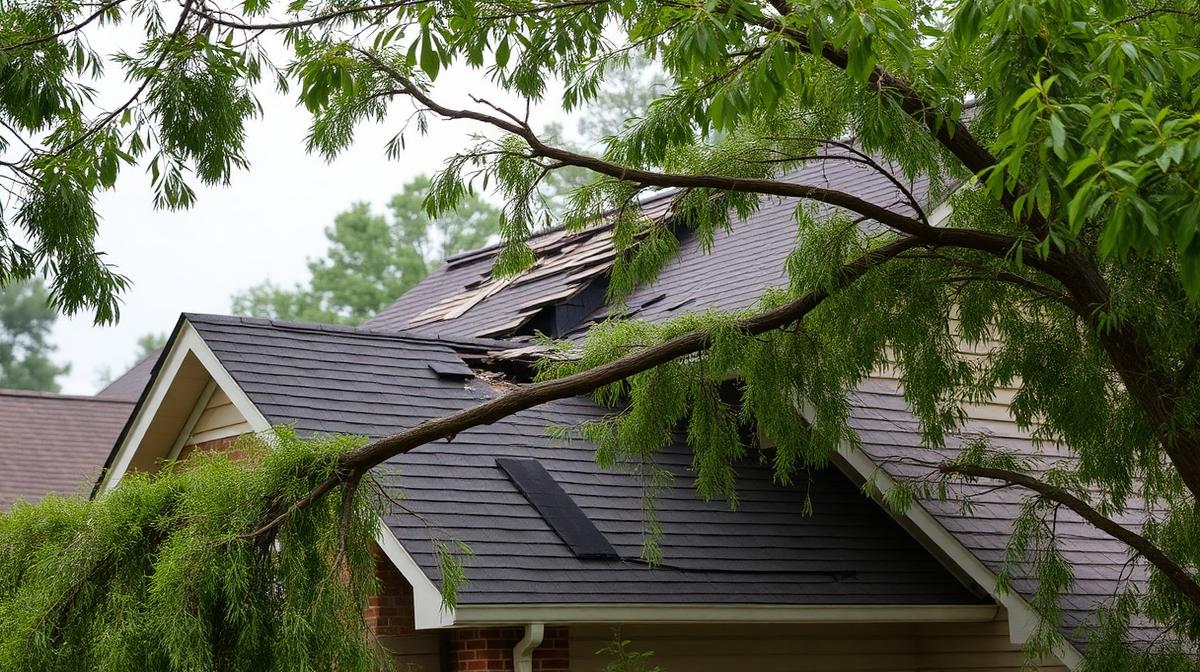
Here is the line that catches everyone off guard: standard homeowners insurance in Georgia covers water that comes from inside the home (burst pipes, appliance failures, HVAC overflow). It excludes water that enters the home from outside — including basement flooding from surface runoff, saturated soil, or rising groundwater. That coverage requires a separate NFIP flood policy, with a 30-day waiting period before it takes effect.
If your basement floods during a spring storm and you do not have flood insurance, the typical denial language reads: "loss caused by surface water, groundwater seepage, or accumulation of natural precipitation is excluded." Read more about water vs flood insurance coverage.
What to Do Before the Next System Hits
- Test your sump pump monthly. Pour 5 gallons of water into the pit and confirm the pump cycles correctly.
- Install a battery backup or water-powered backup sump. $300–$700 — the cheapest insurance you can buy.
- Clean gutters and extend downspouts before the season starts.
- Walk your foundation perimeter and re-grade any negative slopes.
- Buy flood insurance now — there is a 30-day waiting period and storms do not wait.
- Save EmesticaCure to your contacts: (470) 398-4095 — when the storm hits, you will not have time to search.
Basement flooding right now in Georgia?
Call listed contractors directly and ask about extraction availability, storm response, and payment terms.
Why Georgia Soil Behaves Differently in Spring
Most of north Georgia sits on red clay — a soil that absorbs water slowly and releases it even slower. After a wet winter, the top several feet of soil are already at field capacity by the time spring storms arrive. There is nowhere for additional rainfall to go except sideways, which means it flows toward whatever is below grade. In most metro Atlanta homes, that's the foundation wall of the basement.
Add a 2-inch rainfall on top of saturated soil and hydrostatic pressure against the foundation can exceed 60 pounds per square foot. That pressure finds any unsealed mortar joint, any cracked block, any failed waterproofing membrane. The water arrives not as a drip but as a steady weep that fills a finished basement floor in hours.
The Three Failure Points Pros Check First
- Gutter and downspout discharge: Downspouts that dump within 4 feet of the foundation saturate the soil right where you don't want it. Extensions to 6+ feet are the cheapest single fix that reduces basement flooding risk.
- Grading slope: Soil should fall at least 6 inches over the first 10 feet from the foundation. Settling, mulch buildup, and landscaping projects often reverse this slope without anyone noticing.
- Sump pump function: A pump that hasn't been tested since installation is a pump that will fail on the worst storm of the year. Pour 5 gallons of water in the pit every spring to confirm it cycles.
What Doesn't Work — and Why People Try It Anyway
Painted-on "waterproofing" coatings on interior basement walls don't stop water; they trap it inside the block and accelerate efflorescence and spalling. Sealing exterior cracks from the inside is similar — water still enters the wall, it just has nowhere to weep, so it travels horizontally and emerges elsewhere. Real basement waterproofing happens from the outside (exterior membrane and drain tile) or from a properly installed interior drain channel that captures water at the floor edge and routes it to a sump.
Related Reading
7 causes of Georgia basement flooding · Flash flooding preparation · Atlanta storm damage restoration.
Frequently Asked Questions
Why do Georgia basements flood more in spring?
Three reasons stack up in March–May: total rainfall peaks (Georgia averages 4.5 inches per month), soil is already saturated from winter precipitation so it absorbs almost no new water, and severe thunderstorms produce intense bursts (1–3 inches per hour) that overwhelm gutters and grading designed for steady rain.
Does insurance cover basement flooding from spring storms?
It depends on the water path. Water that enters through the foundation, walls, or windows because of surface runoff or rising groundwater requires a separate NFIP flood policy — standard homeowners insurance excludes it. Water that enters because a sump pump failed during a storm may be covered if you have a sump pump endorsement on your policy.
How can I tell if my basement is at risk before the storm hits?
Check four things: (1) does water pool against your foundation during rain, (2) is your sump pump operational with a battery backup, (3) are your gutters clean and downspouts extended 6+ feet from the house, (4) does the ground slope away from the foundation at 1 inch per foot for the first 6 feet.
What is the most common cause of basement flooding during Georgia spring storms?
Sump pump failure during a power outage — by a wide margin. The storms that produce the most rain are also the ones that knock out power. Without a battery backup or a generator, the pump stops at the exact moment it's needed most. A $300 battery backup prevents an average $15,000 flood.
How fast can a basement flood during a Georgia thunderstorm?
A 2-inch-per-hour rainfall event can drop 3+ inches of water in a finished basement within 2 hours if the sump pump fails or the foundation has a single crack the size of a pencil. Severe Georgia thunderstorms can flood a basement faster than most homeowners can respond.
Related Articles You May Find Helpful

Compare water damage contractors near you
Need Help Right Now?
Phone: (470) 398-4095
✓ Directory help for Georgia homeowners
✓ Compare local water-damage contractors
✓ Contractor phones stay contractor-owned
EmesticaCure is a water damage contractor directory. Browse contractors or call (470) 398-4095 for help finding one.