
IICRC-Certified Water Damage Editorial Reviewer · Georgia Field Experience
Published: May 4, 2026Last Updated: May 4, 20269 min readReviewed against IICRC S500 / S520 / S700
Can Water Damage Cause Electrical Hazards in Your Home?

Water damage electrical hazards include arcing, corroded wiring, and delayed fires. Safety steps every homeowner needs before re-energizing circuits.
- ·Yes. Wet electrical components can arc, short-circuit, or overheat for weeks after the visible water is gone. The NFPA attributes thousan…
- ·Always — at the main breaker, before stepping into any standing water. Even if outlets look dry, water inside the wall cavity may have re…
- ·GFCI outlets help protect against shock at the outlet but do not protect wiring inside walls. They trip in milliseconds when they sense g…
- ·Most standard homeowners policies cover electrical inspection and repair as part of the water damage scope — including replacement of dam…
When water hits an electrical outlet, the immediate concern is shock. The longer-term concern — the one that destroys homes weeks after the water is gone — is a slow electrical fire from corroded wiring no one inspected. Water and electricity do not mix, and the danger does not end when the puddles dry up.
This guide explains exactly what happens to electrical systems exposed to water, what restoration pros require before they touch anything, and what every homeowner needs to do in the first 10 minutes after a leak.
Quick Answer — Electrical Hazards From Water Damage
Water damage creates four electrical hazards: shock risk from energized standing water, arcing in wet outlets and junction boxes, corrosion of wire connections leading to fire weeks later, and breaker malfunctions from saturated panels. Shut off power at the main breaker before entering any flooded area, and require an electrician's clearance before restoring power.
What Happens When Water Meets a Wall Circuit
Modern residential wiring is engineered to be dry. The plastic insulation around the copper conductors keeps current contained inside the wire. When water saturates a wall cavity, three failures begin within hours:
- Insulation breakdown. Moisture penetrates pinholes and cracks in old insulation. Current finds a new path to ground — through wet drywall, framing, or you.
- Corrosion at connections. Every wire nut, outlet terminal, and breaker contact starts oxidizing within 24 hours of exposure. Corroded connections create resistance. Resistance creates heat. Heat creates fire.
- Arcing inside junction boxes. Water bridges adjacent wires that were never supposed to touch. The result is intermittent arcing — sometimes for weeks — until a fire starts inside the wall.
Why It Matters: The Delayed-Fire Problem
The NFPA reports that electrical failures following water exposure are a leading cause of "delayed ignition" residential fires — fires that occur days, weeks, or even months after the original water event. By then, the homeowner has often forgotten the leak entirely. The connection only becomes obvious after the fire investigator traces the wiring.
The First 10 Minutes: Safety Sequence
- Do NOT step into standing water in any room with electrical outlets, fixtures, or appliances. Water can be energized.
- If you can reach the main breaker safely, cut the entire house — not just the affected room. Backfeed paths exist.
- If you cannot reach the breaker safely, call the power company and ask for an emergency disconnect at the meter.
- Stay out of the room until power is confirmed off.
- Photograph the affected area from the doorway with the power off — insurance documentation.
What Restoration Crews Require Before Working
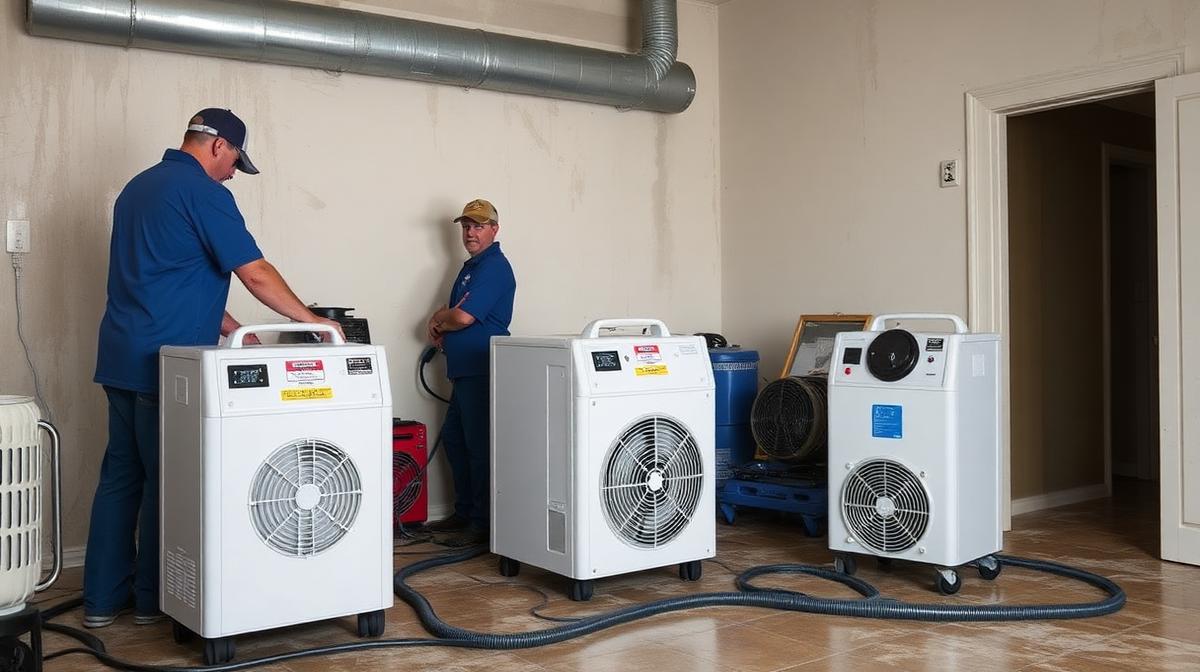
Any IICRC-certified restoration company will refuse to enter a wet area until power is verified off at the panel. We carry non-contact voltage testers and check every outlet, switch, and fixture in the work area before extraction starts. If contractors find any live circuit, work stops until a licensed electrician disables it.
Which Components Need Inspection or Replacement
Outlets and Switches in the Affected Area
Standard outlets are not waterproof. Even brief water contact can leave moisture inside the device. Replacement is almost always required because the cost of a new $3 outlet is less than the inspection labor to clear it.
Junction Boxes Inside Wet Walls
If the wall cavity got wet, every junction box in that wall needs to be opened, dried, inspected for corrosion, and either cleaned or replaced. This is part of the restoration scope, not a separate job.
The Breaker Panel
If water reached the panel — even just a few drops — the entire panel may need replacement. Breakers with internal corrosion can fail to trip when needed, leaving the house unprotected.
Wiring Inside Saturated Walls
NM-B (Romex) wiring is rated for dry locations. If submerged or saturated, it does not have to be replaced in every case, but it does have to be inspected and tested. The decision depends on water category, exposure time, and the wiring's age.
Hard-Wired Appliances
Dishwashers, garbage disposals, HVAC equipment, water heaters — any appliance with water-exposed wiring connections requires evaluation. Many manufacturers void warranties on water-damaged units.
Insurance and the Electrician Bill
The cost of the electrical inspection and repair is almost always covered by your homeowners policy as part of the water damage scope — provided the underlying loss is covered. Document the electrician's findings in writing, photograph all replaced components, and submit it as part of the claim. Read more about what adjusters look for during inspections.
Water in a room with outlets? Don't enter until power is off.
Call listed contractors directly and ask how they handle electrical safety and licensed electrician clearance.
The Hidden Electrical Risk Even Pros Sometimes Miss
The dangerous part of water-damaged wiring is not the wet outlet you can see. It's the connection inside the wall — a wire nut, a backstabbed outlet, a junction box behind a vanity — that took on moisture, dried partially, and developed corrosion on the copper. Corroded copper resists current, generates heat, and arcs intermittently for weeks before failing. House fires three months after a water loss are not coincidence; they are the predictable outcome of energizing a circuit that was never re-inspected.
The Sequence a Restoration Crew Follows
- Cut power at the panel to every affected circuit before any extraction equipment goes in.
- Pull and inspect every device (outlets, switches, light fixtures) within the wet zone.
- Open junction boxes and inspect wire nuts for water intrusion and corrosion.
- Replace any device or connection showing moisture damage — never just dry and reuse.
- Megger-test affected circuits before re-energizing to confirm insulation resistance is within spec.
- Document the inspection and replacement for the insurance file.
What Your Insurance Should Cover
Standard homeowners policies cover electrical inspection and replacement when it's a direct consequence of a covered water loss. That includes device replacement, junction box inspection, and a licensed electrician's testing report. What's typically not covered is upgrading old wiring that was already substandard — knob-and-tube, ungrounded two-prong, or aluminum branch circuits get replaced at the homeowner's expense.
The 24-Hour Decision Most Homeowners Get Wrong
After a water loss, the strong urge is to flip the breaker back on for the unaffected half of the house so the family can have lights and a working fridge. That's fine — for circuits that are demonstrably outside the wet zone. The mistake is energizing anything that runs through the affected wall or ceiling on the assumption that "it seems dry now." Until an electrician has eyes inside the wall, that circuit stays off.
Related Reading
First hour after water damage · Category 3 water explained · water damage contractor directory.
Frequently Asked Questions
Can water damage cause electrical fires?
Yes. Wet electrical components can arc, short-circuit, or overheat for weeks after the visible water is gone. The NFPA attributes thousands of residential fires every year to electrical failures following water exposure, especially in older homes with cloth-insulated wiring or aluminum branch circuits.
Should I turn off the power after water damage?
Always — at the main breaker, before stepping into any standing water. Even if outlets look dry, water inside the wall cavity may have reached junction boxes. Only restore power after a licensed electrician inspects the affected circuits and clears them.
Are GFCI outlets enough protection against water damage shocks?
GFCI outlets help protect against shock at the outlet but do not protect wiring inside walls. They trip in milliseconds when they sense ground faults, but they cannot detect deteriorating insulation, corroded wire connections, or arcing inside junction boxes. Water-damaged wiring still needs professional inspection.
Does insurance cover electrical work after water damage?
Most standard homeowners policies cover electrical inspection and repair as part of the water damage scope — including replacement of damaged outlets, switches, breakers, and any wiring confirmed wet by an electrician. Get the electrician's report in writing for the claim file.
How long after water damage should I wait to turn the power back on?
Until a licensed electrician has tested every circuit in the affected area and certified the system safe in writing. There is no universal time threshold — corrosion can develop quickly in wet metallic components. Never reset breakers in damp rooms without a professional inspection.
Related Articles You May Find Helpful
Compare water damage contractors near you
Need Help Right Now?
Phone: (470) 398-4095
✓ Directory help for Georgia homeowners
✓ Compare local water-damage contractors
✓ Contractor phones stay contractor-owned
EmesticaCure is a water damage contractor directory. Browse contractors or call (470) 398-4095 for help finding one.