IICRC-Certified Water Damage Editorial Reviewer · Georgia Field Experience
Published: May 14, 2026Last Updated: May 14, 20269 min readReviewed against IICRC S500 / S520 / S700
What Is Category 3 Water and Why Is It Dangerous?
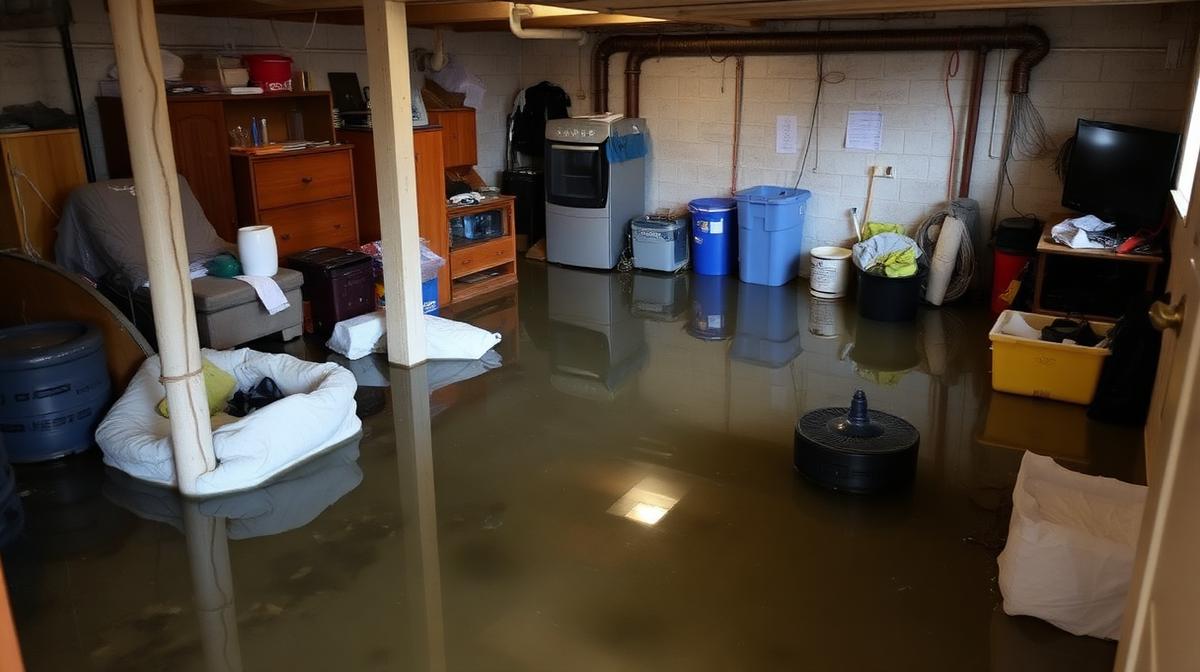
Category 3 water (black water) carries sewage, pathogens, and chemicals. Why it requires PPE, full removal of porous materials, and biohazard protocols.
- •Category 3 water (black water) is grossly contaminated water containing pathogens, toxins, sewage, or harmful chemicals. Examples include…
- •It contains bacteria (E. coli, Salmonella), viruses, fungi, and chemicals capable of causing illness or death through ingestion, inhalati…
- •No. IICRC S500 standards require licensed restoration professionals using full PPE, antimicrobial protocols, and certified disposal. DIY …
- •Standard homeowners policies cover sudden sewer backups only if you have a sewer-backup endorsement. Floodwater (Category 3 by default) r…
Not all water is created equal. The IICRC sorts water losses into three categories — and Category 3 is the one that gets people sick. Here's what black water actually contains, why restoration protocols change completely the moment it's involved, and what every homeowner needs to know before stepping into a flooded room.
Quick Answer — Category 3 Water
Category 3 water (black water) is grossly contaminated water containing pathogens, sewage, or chemicals. Sources include sewer backups, toilet overflows with feces, and external floodwater. It requires licensed restoration crews with full PPE, biohazard protocols, and complete removal of all porous materials it touched.
The Three Categories Defined
- Category 1 (Clean): Sanitary water source, no harmful agents. Examples: supply line breaks, sink overflows with clean water, ice maker leaks. Safe to handle with basic precautions.
- Category 2 (Gray): Significant contamination, capable of causing discomfort or illness. Examples: dishwasher and washing machine discharge, shower drains, hydrostatic seepage. Contains detergents, bacteria, and biological matter.
- Category 3 (Black): Grossly contaminated with pathogens, toxins, or sewage. Examples: sewer backups, toilet overflows with feces, all floodwater from outside, standing water older than 48 hours. Biohazard.
What Black Water Actually Contains
- Bacteria — E. coli, Salmonella, Campylobacter, Legionella
- Viruses — Norovirus, Hepatitis A, Rotavirus
- Fungi and mold spores
- Parasites — Giardia, Cryptosporidium
- Chemicals — pesticides, fuel, sewage chemicals
- Physical hazards — sharp debris, glass, sewage solids
Why It Gets Worse With Time
Category 1 water becomes Category 2 within 24 hours due to bacterial growth in standing water. Category 2 becomes Category 3 within 48 hours. The clock starts the moment water enters the home — meaning a "clean" supply line leak that sits for two days is no longer clean.
The Professional Response Protocol
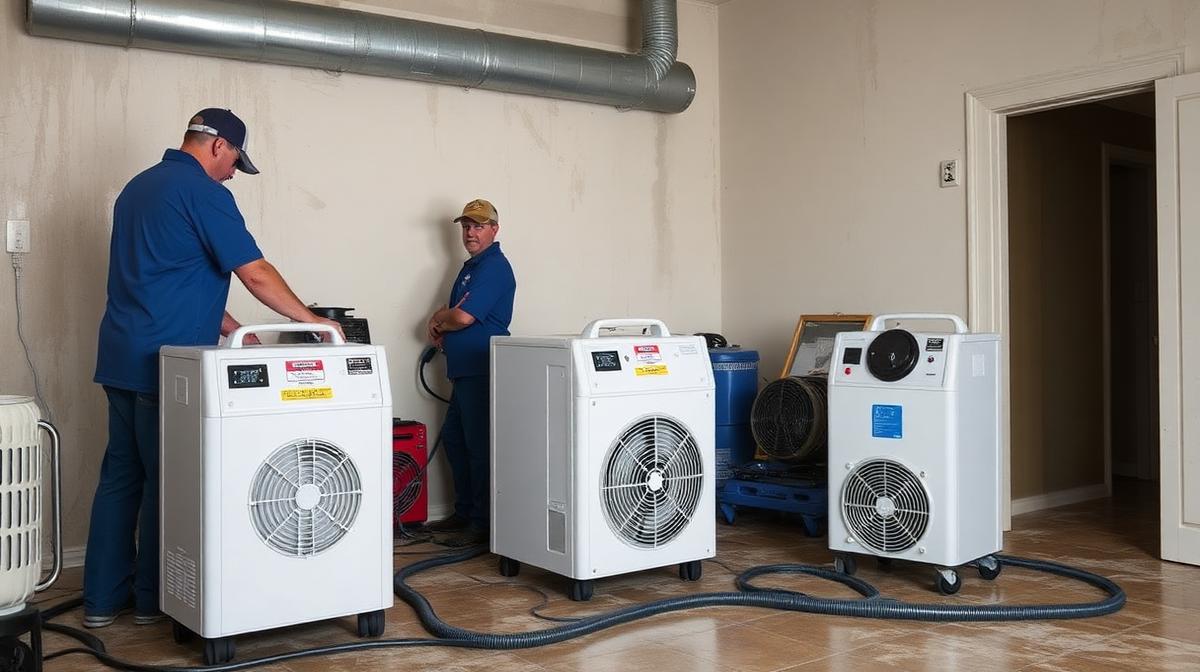
- Full PPE — Tyvek suit, nitrile gloves, rubber boots, full-face respirator with P100 filters
- Containment — sealed plastic barriers prevent spread to unaffected areas
- Source removal — water extraction with truck-mounted equipment, all liquid disposed at approved waste facility
- Porous material removal — carpet and pad, drywall 24" above waterline, insulation, particleboard, upholstered items
- Hard surface sanitization — registered antimicrobials, dwell time per label
- HEPA air filtration during work
- Post-remediation verification — air sampling and surface swabs
What Homeowners Should Do (and NOT Do)
Do: evacuate the affected area, shut off water source if safe, ventilate, call a licensed restoration company immediately.
Do NOT: enter without PPE, attempt cleanup with household products, run HVAC (spreads contamination through ducts), or move contents through unaffected areas without containment.
Sewage backup or Category 3 water in your home?
Call listed contractors directly and ask about PPE, IICRC S500-style protocols, disposal, documentation, and current availability.
Why the 48-Hour Clock Matters in Georgia
Atlanta's humidity is the variable most homeowners underestimate. From May through September our indoor relative humidity hovers between 55% and 70% unless the HVAC is running aggressively. That climate accelerates the Category 1 to Category 2 to Category 3 progression dramatically. A toilet supply line that fails on a Friday night while the family is at the lake is almost guaranteed to be Category 3 by the time anyone walks through the door Sunday evening — not because of what was in the water, but because of what grew in it.
Contractors in Brookhaven and Smyrna often find that old standing water is no longer clean even when the original source was a supply line. Bacterial swabs taken on arrival came back showing coliform levels comparable to a sewage backup. Time turned the loss, not the source.
Typical Cost Ranges in Metro Atlanta
- Small single-room sewer backup (under 200 sq ft): $4,500–$8,000 for extraction, controlled demo, antimicrobial, and drying.
- Finished basement sewer ejector failure: $12,000–$22,000 — typically full carpet/pad removal, 24-inch flood cuts, insulation disposal, structural drying, reconstruction quoted separately.
- Whole-home floodwater intrusion (NFIP territory): $25,000–$60,000+ when contents, drywall, cabinetry, and HVAC are all impacted.
These numbers feel high until you remember Category 3 work requires disposal at a permitted waste facility, not the curb. Disposal alone runs $400–$1,200 depending on volume.
The Health Side Most People Skip
Even short exposure to Category 3 water without PPE can produce gastrointestinal symptoms within 6–12 hours. The dangerous part is not the splash you remember — it's the aerosolized droplets that travel through the HVAC system after you turn the fan back on. Crews running a job correctly will tape off supply and return registers in affected zones before any extraction begins.
If you've already walked through standing water without boots and gloves, change clothes immediately, shower with soap, and watch for fever, cramping, or rash over the next 48 hours. People underestimate how much pathogen load comes home on a sock.
What Your Insurance Will and Won't Pay
Sudden sewer backups — only with a sewer/drain backup endorsement, usually capped at $5,000 to $25,000. Most Georgia policies default to $10,000. Floodwater from outside — never covered by homeowners; requires a separate NFIP flood policy with its own deductible and a 30-day waiting period before coverage starts. That waiting period is why calling about flood insurance after a hurricane warning is too late.
Related Reading
Immediate steps after flood damage · Electrical hazards after water damage · Mold growth timeline · Why water damage claims get denied · Water damage contractor directory.
Frequently Asked Questions
What is Category 3 water?
Category 3 water (black water) is grossly contaminated water containing pathogens, toxins, sewage, or harmful chemicals. Examples include sewage backups, toilet overflows containing feces, and rising floodwater from outside. It poses serious health risks and requires full PPE, biohazard protocols, and removal of all porous materials it touched.
Why is Category 3 water dangerous?
It contains bacteria (E. coli, Salmonella), viruses, fungi, and chemicals capable of causing illness or death through ingestion, inhalation, or skin contact. Even brief exposure without protection can cause infection, especially through cuts or mucous membranes.
Can I clean up Category 3 water myself?
No. IICRC S500 standards require licensed restoration professionals using full PPE, antimicrobial protocols, and certified disposal. DIY cleanup risks serious illness and almost always misses contamination that becomes a long-term mold and pathogen problem.
Does insurance cover Category 3 water cleanup?
Standard homeowners policies cover sudden sewer backups only if you have a sewer-backup endorsement. Floodwater (Category 3 by default) requires NFIP flood insurance. Cleanup costs typically run $8,000–$25,000 — significant out-of-pocket risk without proper coverage.
What materials must be removed after Category 3 exposure?
All porous materials that contacted the water: carpet and pad, drywall (typically 24 inches above the waterline), insulation, particleboard, upholstered furniture, mattresses, and any food items. Hard surfaces (tile, sealed concrete, metal) can usually be cleaned and sanitized.
Related Articles You May Find Helpful
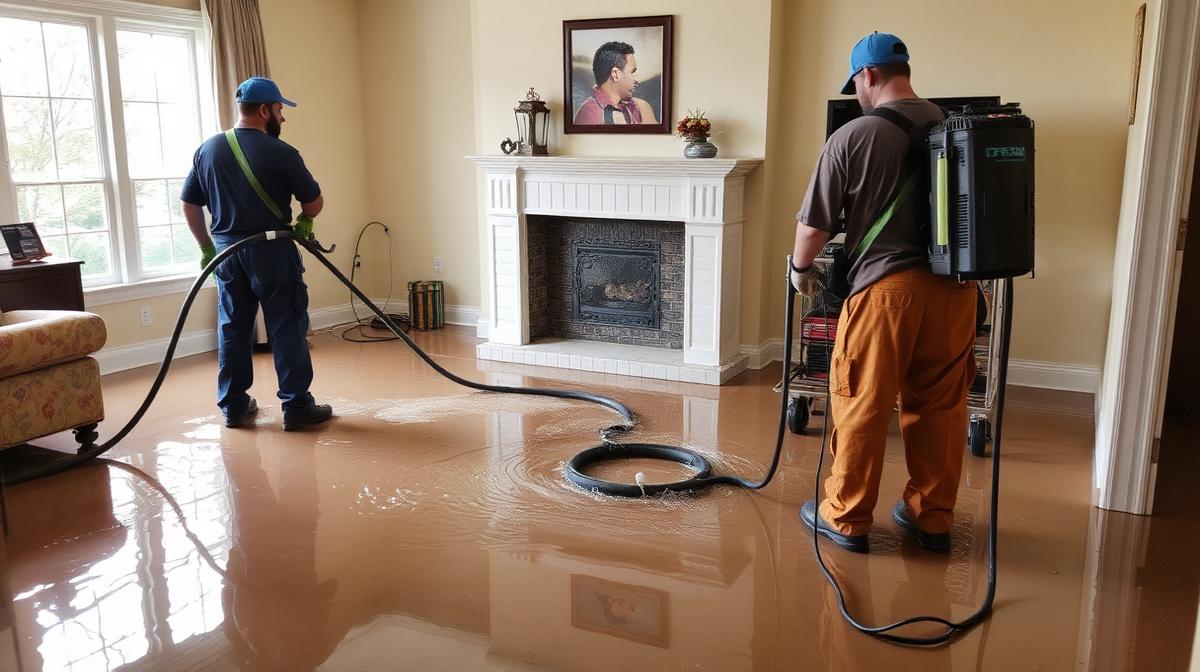
Compare water damage contractors near you
Need Help Right Now?
Phone: (470) 398-4095
✓ Directory help for Georgia homeowners
✓ Compare local water-damage contractors
✓ Contractor phones stay contractor-owned
EmesticaCure is a water damage contractor directory. Browse contractors or call (470) 398-4095 for help finding one.