
IICRC-Certified Water Damage Editorial Reviewer · Georgia Field Experience
Published: May 18, 2026Last Updated: May 18, 20269 min readReviewed against IICRC S500 / S520 / S700
What Should Homeowners Do Immediately After Flood Damage?
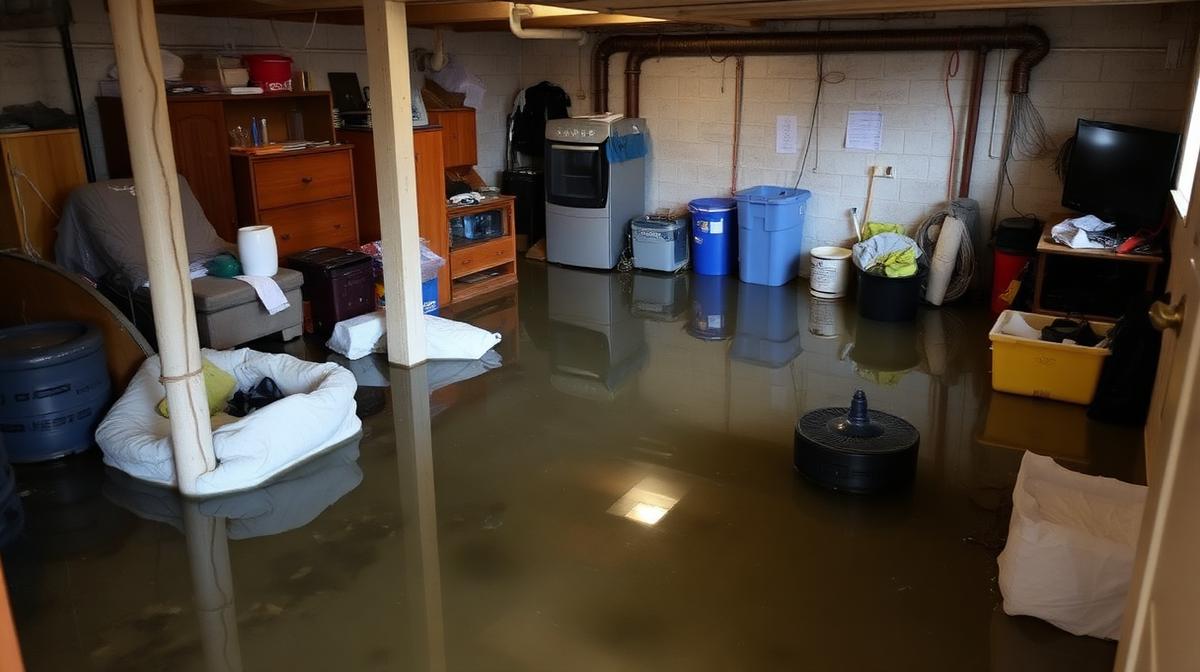
Updated May 2026
After flood damage, the first 6 hours decide what's salvageable. Step-by-step safety, documentation, and mitigation actions every homeowner needs.
- →Stay out of floodwater until officials declare it safe — it may be electrically energized or contaminated. Once safe to enter, shut off p…
- →Yes — by IICRC definition, all external floodwater is Category 3 (black water) because it contains sewage, agricultural runoff, fuel, and…
- →Contact your NFIP carrier within the timeframe required by your policy (typically 60 days), document all damage with photos and a written…
- →Hard, non-porous items (glass, ceramic, sealed wood, metal) can usually be cleaned and sanitized. Porous items that absorbed floodwater —…
Flood water is not the same as a burst pipe. It carries contamination, it's almost never covered by your standard policy, and the response sequence is different from start to finish. Here are the immediate steps that protect your family and your eventual claim — in the order they need to happen.
Quick Answer — Immediate Steps After Flood Damage
After flood damage: ensure safety (do not enter standing water until power is off and contamination is assessed), document everything with photos before moving anything, contact your flood insurance carrier and a licensed restoration company within 6 hours, and treat all floodwater as Category 3 biohazard.
The First Hour — Safety
- Do NOT enter standing water until power is shut off at the main breaker. Floodwater can be energized.
- Wear waterproof boots, gloves, and an N95 or P100 respirator if entering at all.
- Watch for structural damage — soft floors, sagging ceilings, damaged stairs.
- Be aware that displaced wildlife (snakes, rodents) often shelter in flooded structures.
The First 6 Hours — Documentation and Response
- Photograph and video every room from multiple angles before touching anything
- Contact your flood insurance carrier to start the claim
- Call a licensed restoration company with Category 3 capability
- Begin removing standing water if safe (pump or wet/dry vac for small amounts)
- Open windows and doors to begin air circulation if outdoor conditions allow
- Move undamaged contents from adjacent areas to prevent contamination
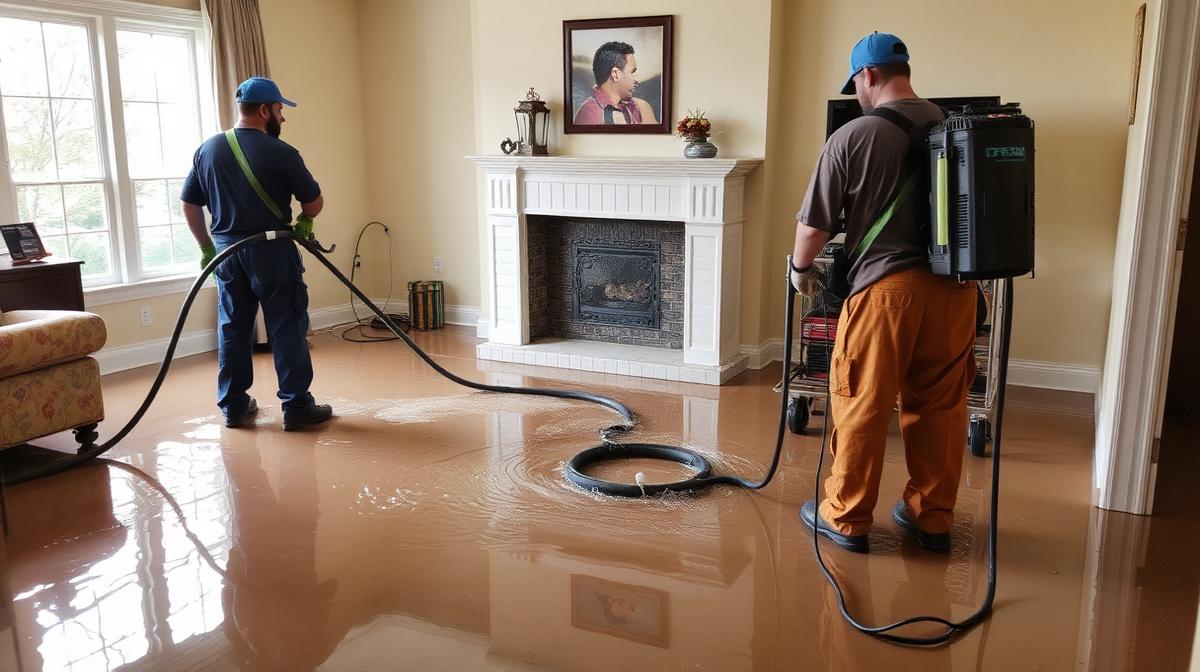
The First 24 Hours — Mitigation
- Professional extraction of remaining water
- Removal of soaked porous materials (carpet, drywall 24" above waterline, insulation, upholstered furniture)
- Antimicrobial application to all affected surfaces
- Setup of industrial dehumidifiers and air movers
- Begin contents pack-out and inventory for damaged items
What Goes — Without Negotiation
- Carpet and carpet pad
- Drywall up to 24 inches above the waterline
- Insulation that contacted floodwater
- Particleboard furniture and cabinetry
- Upholstered furniture and mattresses
- Food items including canned goods with damaged seals
- Medications and cosmetics
- Paper documents (digitize first if possible)
What Can Often Be Saved
- Hardwood floors (with prompt drying)
- Sealed concrete and tile
- Metal furniture and appliances (with electrical inspection)
- Glass, ceramic, and non-porous items after cleaning
- Hard wood furniture if dried promptly
Insurance Reminder
Standard homeowners insurance does NOT cover flood damage. You need NFIP or private flood coverage, with a 30-day waiting period from purchase. Read more about water vs flood insurance coverage.
Flood damage in your home right now?
Call listed contractors directly and ask about Category 3 protocols, PPE, disposal, and NFIP documentation.
The First Hour Decides the Claim
What you do in the first 60 minutes after discovering flood damage shapes the entire restoration outcome and the eventual size of the insurance settlement. The single most useful habit: open the camera app on your phone before you do anything else, and don't put it down until the restoration crew arrives. Every photo with a timestamp becomes evidence later.
- Minute 0–5: Cut power to affected areas at the main panel if water is anywhere near outlets or appliances. Do not stand in standing water to flip a breaker — use a dry rubber-soled shoe and a wooden tool if needed.
- Minute 5–15: Identify and stop the source if you safely can — main water shutoff, sump pump reset, sandbags at a doorway. If the source is outside (rising creek, storm surge) and you cannot stop it, prioritize evacuation of valuables and exit.
- Minute 15–30: Photograph every room, every wet item, every standing water level, every damaged surface. Wide shots and close-ups. Get the date stamp visible on at least one shot per room.
- Minute 30–60: Call your insurance carrier to open a claim and call a licensed restoration company. These are two separate calls and order matters — open the claim first so the claim number exists when the restoration crew writes their initial scope.
What to Move and What to Leave
Move what you can lift in a single trip: electronics, photo albums, important documents, medication, irreplaceable items. Lift furniture legs onto foil squares or 2x4 blocks to break the moisture wick. Do not move soaked rugs through dry rooms — you'll spread contamination. Do not run the HVAC if you suspect Category 3 water; it will pull contaminated air through every duct in the house.
The Documentation Checklist Adjusters Want
- Photos and video of every affected room and item before anything is moved.
- Receipts or photos of damaged contents with approximate purchase date and price.
- The source of the water loss documented (pipe, appliance, weather event).
- A written timeline: when the loss was discovered, when the source was stopped, when restoration was called.
- Moisture readings from the restoration company on day 1, 3, and final.
- Any communication with the carrier — keep emails, log call dates and adjuster names.
What Not to Throw Away Yet
Adjusters need to see damaged contents to approve replacement value. Bag and photograph soaked carpet, padding, drywall sections, and ruined furniture, then store them in the garage or driveway until the adjuster signs off. Throwing it on the curb before inspection is the single most common reason claims get partially denied.
Related Reading
Flash flooding preparation · Category 3 water explained · What to do after water damage.
Frequently Asked Questions
What should I do first after a flood?
Stay out of floodwater until officials declare it safe — it may be electrically energized or contaminated. Once safe to enter, shut off power at the main breaker, document damage with photos before moving anything, and call a licensed restoration company within 6 hours.
Is floodwater always Category 3?
Yes — by IICRC definition, all external floodwater is Category 3 (black water) because it contains sewage, agricultural runoff, fuel, and other contaminants. Full PPE and professional cleanup are required. DIY cleanup risks serious illness.
How do I file a flood insurance claim?
Contact your NFIP carrier within the timeframe required by your policy (typically 60 days), document all damage with photos and a written inventory, and avoid throwing anything away until the adjuster has documented it. Provide receipts for emergency mitigation expenses.
What items can be saved after flood damage?
Hard, non-porous items (glass, ceramic, sealed wood, metal) can usually be cleaned and sanitized. Porous items that absorbed floodwater — upholstered furniture, mattresses, drywall, carpet, paper documents, food — typically must be discarded for safety.
How long until I can move back in after a flood?
Typical timeline: 1–2 days for water extraction, 3–7 days for structural drying, 1–4 weeks for demolition and rebuild depending on scope. Major flood losses can take 2–4 months for full restoration. Plan for temporary housing.
Related Articles You May Find Helpful
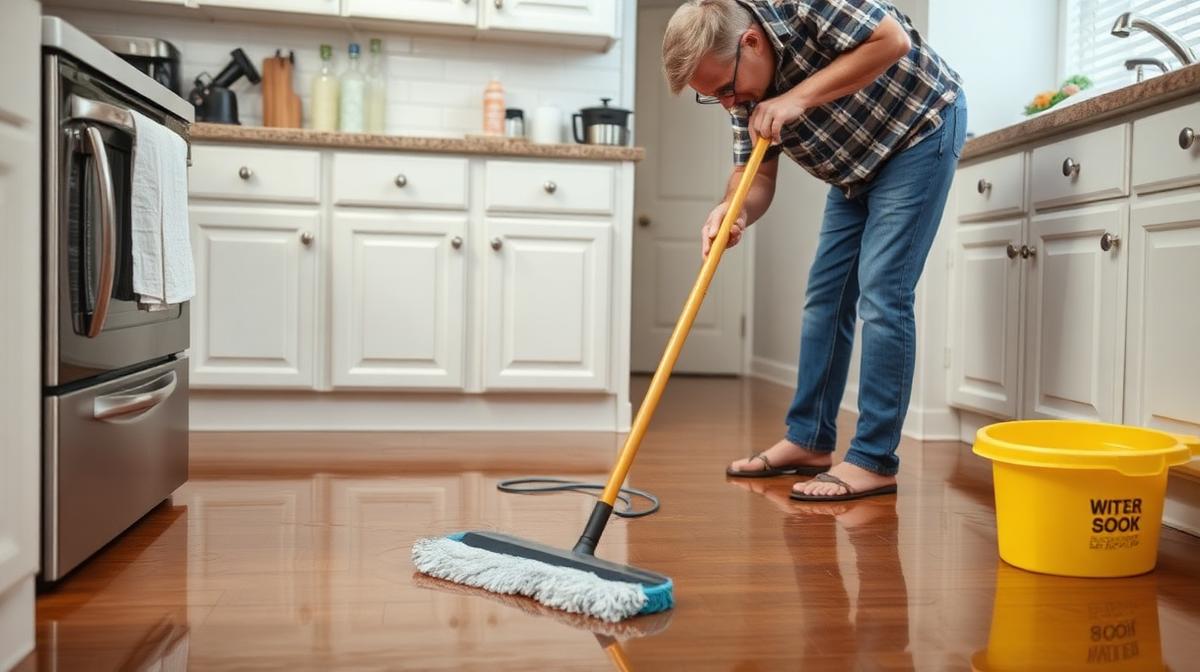
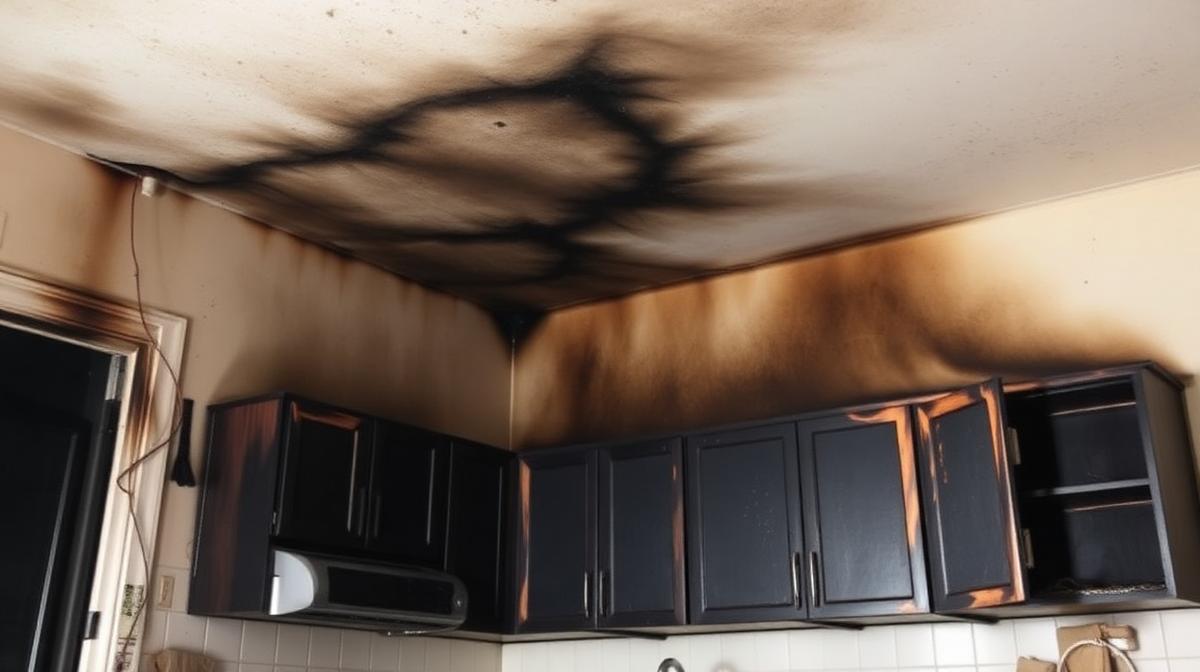
Compare water damage contractors near you
Need Help Right Now?
Phone: (470) 398-4095
✓ Directory help for Georgia homeowners
✓ Compare local water-damage contractors
✓ Contractor phones stay contractor-owned
EmesticaCure is a water damage contractor directory. Browse contractors or call (470) 398-4095 for help finding one.