IICRC-Certified Water Damage Editorial Reviewer · Georgia Field Experience
Published: May 10, 2026Last Updated: May 10, 20269 min readReviewed against IICRC S500 / S520 / S700
What Insurance Adjusters Look for During Water Damage Claims

Insurance adjusters check 7 specific things during water damage inspections. Know what they look for so your claim gets paid in full.
- •The source of the water. Adjusters need to classify the loss as sudden-and-accidental (covered), gradual (excluded), or external flood (r…
- •A typical residential water damage inspection takes 45–90 minutes. Major losses involving multiple rooms or contents claims can extend to…
- •Yes — and you should, in writing, if you believe the scope is incomplete. Provide independent moisture readings, photos with timestamps, …
- •Photos of the damage immediately after discovery, the source of the water (the broken pipe or fitting), the moisture readings from a rest…
The adjuster walks in with a notepad, a moisture meter, and a checklist most homeowners never see. What they document in the first 20 minutes drives the entire payout. Knowing exactly what they look for — and what they document or photograph — puts you ahead of 90% of homeowners filing claims for the first time.
This guide pulls back the curtain on the adjuster inspection. It is not adversarial information. Adjusters want clean, documented claims that pay correctly. Helping them do that is helping yourself.
Quick Answer — What Adjusters Check
Insurance adjusters inspect water damage claims for seven things in order: (1) water source and classification, (2) loss timeline, (3) extent of damage and affected rooms, (4) moisture readings in walls and floors, (5) contents inventory, (6) prior repair history, and (7) mitigation actions taken by the homeowner. Documentation gaps in any area can reduce or deny the claim.
The Seven Things Adjusters Always Document
1. Source and Water Category
Where did the water come from? A burst supply line is covered; rising groundwater is not. Sewage backup may require a sewer-backup endorsement. The adjuster photographs the source — the pipe, fitting, or appliance — to classify the loss correctly. If the source is unclear or the homeowner did not preserve evidence (cleaned up the failed part before documentation), classification becomes difficult.
2. Timeline of the Loss
When did it start? When was it discovered? When was the source repaired? When was a restoration company called? A long gap between source repair and mitigation suggests gradual damage rather than sudden — which can shift the coverage decision.
3. Extent and Affected Areas
Every room, wall, floor, and ceiling touched by water is documented. Moisture readings are taken at multiple points to establish the boundary of the wet area. Missed rooms during the adjuster visit often become uncovered later — get every affected area on the initial scope.
4. Moisture Readings
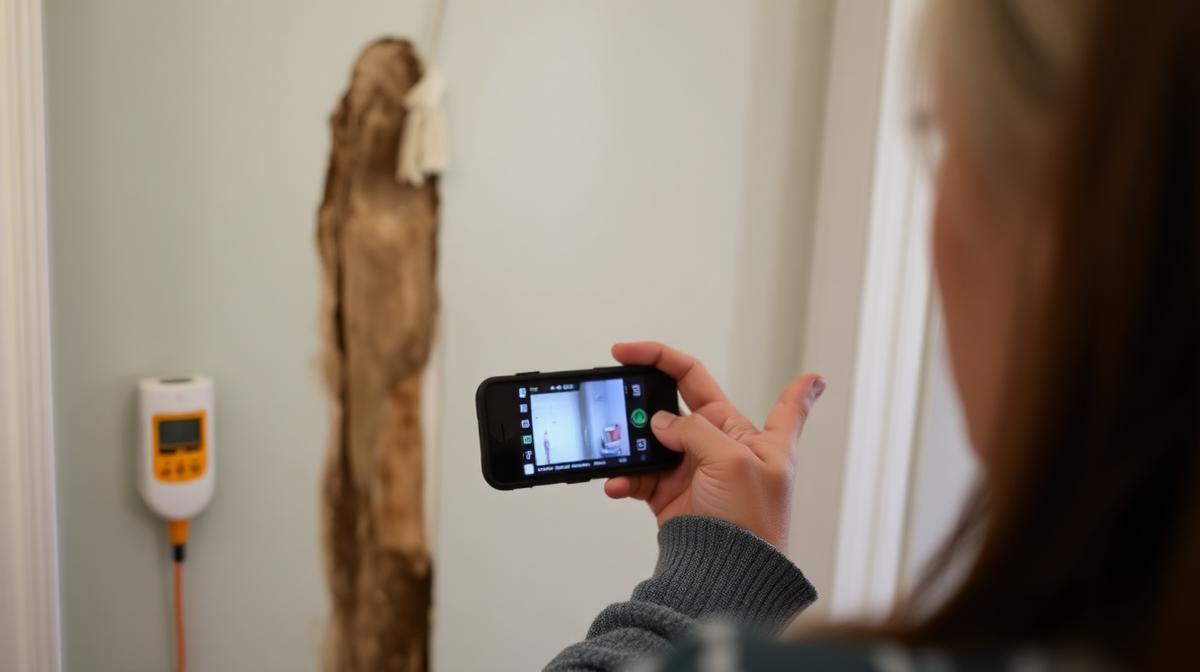
Adjusters carry pin or pinless moisture meters. They measure the moisture content of drywall, framing, and flooring throughout the affected area. These readings establish the baseline for drying and are referenced again at the end of the job to confirm completion. Read about moisture mapping.
5. Contents
Furniture, electronics, clothing, and personal items damaged by water are inventoried separately. Adjusters expect a written list with quantities, ages, and replacement values. If you have a digital home inventory with photos, your contents claim moves much faster.
6. Prior Repair History
The adjuster may ask whether the affected area has had previous water damage, leaks, or repairs. They may pull permit records or inspect for signs of prior repairs. Undisclosed prior damage that contributed to the current loss can reduce coverage.
7. Mitigation Actions
Did you stop the water source promptly? Did you call a licensed restoration company within 24 hours? Did you protect undamaged contents and prevent further damage? Your policy requires "reasonable mitigation" — failure to mitigate can be cited as grounds for partial denial.
What to Have Ready Before the Adjuster Arrives
- Photos and videos of every affected room taken at discovery
- Photo of the water source (the burst pipe, broken fitting, etc.)
- Written scope of work from a licensed restoration company
- Moisture readings from the restoration company's inspection
- Receipts for emergency mitigation (plumber, tarp, water extraction)
- Contents list with quantities, ages, and approximate replacement values
- Copy of your declarations page and any relevant endorsements
What Adjusters Wish Homeowners Would Stop Doing
- Cleaning up before documentation. The instinct to mop and bag everything destroys evidence the adjuster needs.
- Throwing away the failed part. Keep the burst pipe section, the failed supply line, the cracked toilet tank. The adjuster will want to photograph it.
- Hiring a contractor before talking to the adjuster. Some scope decisions affect coverage — let the adjuster see the original condition first when possible.
- Underreporting contents. Adjusters expect a thorough list. Vague descriptions reduce payout.
- Signing assignments of benefits without reading them. Some contractors use AOBs to take over the claim and litigate against the carrier. Read carefully.
When to Push Back
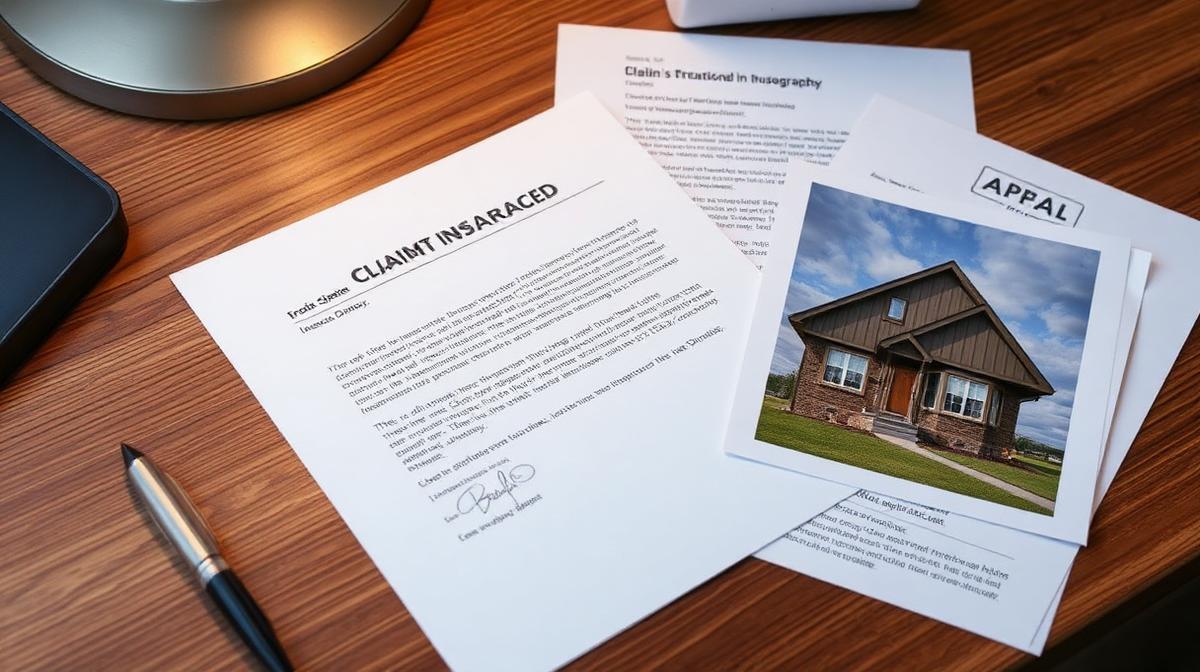
If the adjuster's scope is incomplete or the payout offer does not cover documented restoration costs, you have options:
- Request a re-inspection with your chosen contractor present
- Submit written documentation of additional damage with photos and moisture readings
- Hire a public adjuster (a licensed independent adjuster who works for you, typically for 10–15% of the increased payout)
- File a complaint with the Georgia Department of Insurance
- Consult an insurance attorney for major disputes
Read more about why water damage claims get denied and how to document your claim.
Need help with your water damage claim?
Call listed contractors directly and ask whether they provide moisture mapping, written scopes, and claim documentation.
What the Adjuster Is Looking For When They Walk In
Before they pull out a moisture meter or open a notebook, an adjuster has already formed an opinion in the first thirty seconds. They are reading the room for three signals: whether the loss appears sudden, whether the homeowner reacted reasonably, and whether the damage matches the story being told. Anything that breaks that pattern — old water stains around a "new" leak, a closet still full of dry boxes underneath a supposedly flooded ceiling, a date discrepancy between the call log and the photos — slows the claim and raises the questions you don't want raised.
The Documentation They Actually Want
- Photos of standing water with a timestamp and a date-stamped landmark (a phone showing the time, a newspaper, a clock).
- The source of the loss photographed before it was stopped or repaired.
- Restoration company moisture readings from day 1, with the equipment serial number on the printout if possible.
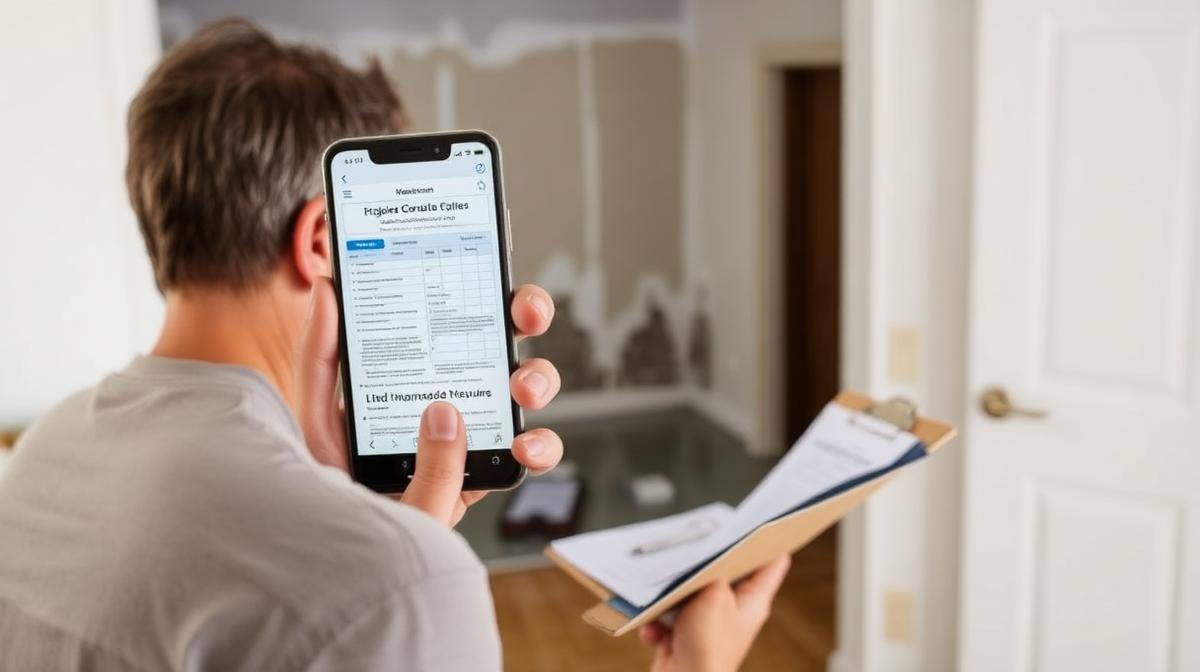
- A simple written timeline: when discovered, when shut off, when restoration was called, when they arrived.
- Receipts for emergency mitigation costs — towels, tarps, plywood, sump pump rental.
Red Flags That Trigger Deeper Review
Stains with rings of varying age (suggests long-term seepage, not sudden). Mold visible on the day of inspection (most claims require sudden discovery; mature mold suggests prior knowledge). Damage that ends at a clean line on a wall (suggests water level sat for days, not a sudden burst). Caulk or sealant repairs around the failure point that pre-date the claim. Any of these will push the adjuster from a routine approval into a fraud review or a coverage-limit defense.
How to Present a Claim That Pays in Full
Lead with the timeline, not the damage. Walk the adjuster through the loss the way a contractor would walk a job: here is the source, here is what failed, here is when we discovered it, here is when we stopped it, here is what the restoration crew documented in the first 24 hours, here is what was destroyed. When the story matches the physical evidence and the paper trail, approvals come in days, not weeks. When the story has gaps, expect questions.
Related Reading
How to file a water damage claim in Georgia · If your claim is denied.
Frequently Asked Questions
What does a water damage insurance adjuster check first?
The source of the water. Adjusters need to classify the loss as sudden-and-accidental (covered), gradual (excluded), or external flood (requires separate NFIP). They start by photographing and documenting the origin point — burst pipe, appliance, roof penetration — before measuring anything else.
How long does an insurance adjuster's inspection take?
A typical residential water damage inspection takes 45–90 minutes. Major losses involving multiple rooms or contents claims can extend to 3–4 hours. The adjuster usually returns or sends a contractor for a more detailed scope after the initial visit.
Can I disagree with the adjuster's findings?
Yes — and you should, in writing, if you believe the scope is incomplete. Provide independent moisture readings, photos with timestamps, and a written estimate from a licensed restoration company. Most carriers will reconsider with documented evidence. If they refuse, you can request a public adjuster or file a complaint with the Georgia Department of Insurance.
What documentation do adjusters expect to see?
Photos of the damage immediately after discovery, the source of the water (the broken pipe or fitting), the moisture readings from a restoration company, a written scope of work, receipts for any emergency mitigation, and your home inventory for contents claims. The more, the better.
Does the adjuster determine my payout right away?
No. The adjuster documents the loss and sends the report to the carrier's claims department, which calculates the payout based on policy limits, deductibles, and coverage definitions. Expect initial payment in 7–30 days, with additional payments as the scope expands during work.
Related Articles You May Find Helpful
Compare water damage contractors near you
Need Help Right Now?
Phone: (470) 398-4095
✓ Directory help for Georgia homeowners
✓ Compare local water-damage contractors
✓ Contractor phones stay contractor-owned
EmesticaCure is a water damage contractor directory. Browse contractors or call (470) 398-4095 for help finding one.