IICRC-Certified Water Damage Editorial Reviewer · Georgia Field Experience
Published: May 8, 2026Last Updated: May 8, 20269 min readReviewed against IICRC S500 / S520 / S700
Hurricane Season Water Damage Risks Most Property Owners Ignore
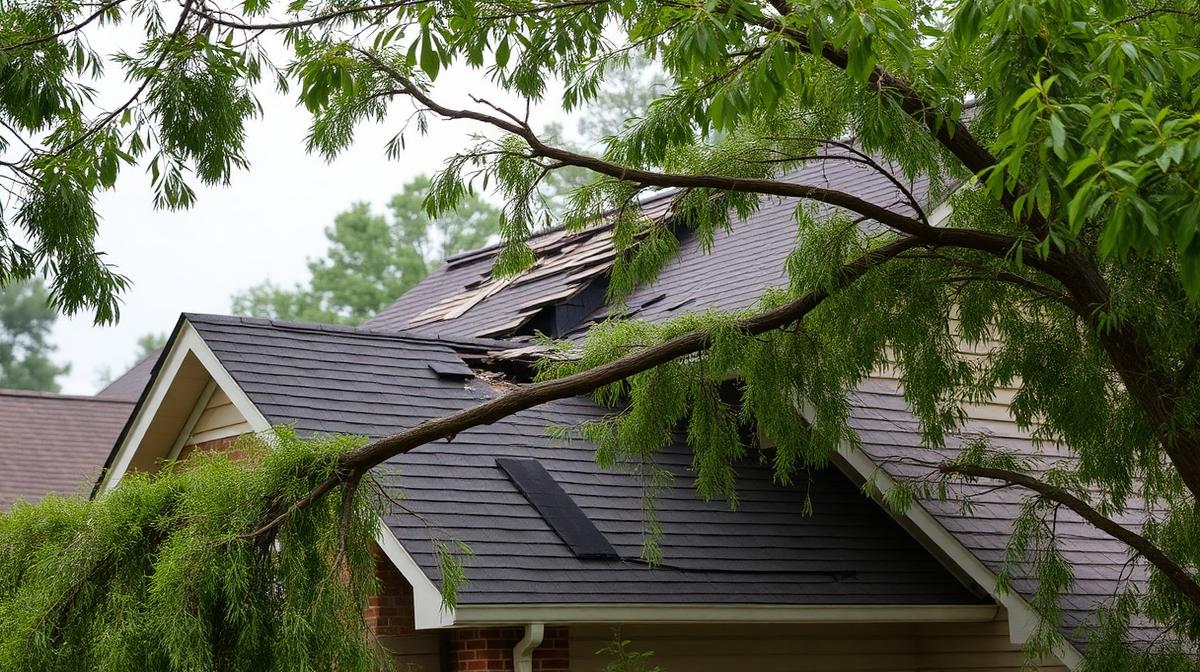
Hurricane season hits Georgia harder than most realize. Wind-driven rain, attic infiltration, and post-storm humidity risks every homeowner should plan for.
- —Yes — Atlanta sits 250 miles inland but receives tropical-system impacts almost every Atlantic hurricane season (June 1 to November 30). …
- —Wind-driven rain pushed through roof penetrations and siding gaps is the #1 source, followed by attic ventilation failures, ridge vent le…
- —Wind-driven rain that enters through a wind-created opening (broken window, missing shingles, torn flashing) is typically covered. Water …
- —Within the first 6 hours after the storm passes. Tarping the roof, drying the attic, and beginning structural drying within that window p…
Atlanta is 250 miles inland and still gets soaked by tropical systems every season. The damage rarely comes from the rain itself — it comes from wind-driven water finding the weak points in your envelope. Most homeowners don't think of hurricanes as a Georgia problem until a storm like Irma or Michael walks straight up the state with 60+ mph gusts.
This guide explains the failure points that pros inspect first after a tropical system, the insurance line that decides what gets paid, and how to harden your home before June 1 every year.
Quick Answer — Hurricane Water Damage in Georgia
Hurricane water damage in Georgia is dominated by wind-driven rain entering through compromised roofs, siding, and windows — not by storm surge. Damage typically appears in attics first, then ceilings within 24 hours. Standard homeowners insurance covers it when entry is linked to wind damage; pre-existing wear-and-tear gaps are excluded.
Why Inland Georgia Is Not Safe From Tropical Systems
Hurricanes weaken as they move over land, but they keep dumping rain for hundreds of miles inland. Atlanta has measured 6+ inches of rainfall in 12 hours during multiple tropical events in the last decade. The wind that arrives with that rain is what creates the damage — gusts as low as 40 mph are enough to drive water sideways into openings that handle vertical rain just fine.
The Five Failure Points Pros Inspect First
1. Roof Penetrations
Every plumbing vent, exhaust fan, satellite mount, and skylight is a potential entry point. The rubber boots around plumbing vents are the most common failure — they crack with UV exposure after 8–12 years. Wind-driven rain finds those cracks in the first 30 minutes of a storm.
2. Ridge Vents and Attic Ventilation
Ridge vents are designed to release attic heat, not block wind-driven rain. During a tropical system, they can intake water at rates of 5+ gallons per hour. The water lands on top of the insulation, soaks down through the ceiling, and shows up as a brown stain 24–48 hours later.
3. Window Flashing and Caulking
Caulking around window frames degrades after 10–15 years. Wind-driven rain finds the gaps and runs down inside the wall cavity — often appearing as water staining 3+ feet below the window.
4. Siding Joints and Corner Trim
The vertical seam where two pieces of siding meet, and the corner trim at the ends of walls, are designed to shed downward rain. Sideways rain pushed by 60+ mph wind defeats them.
5. Garage Doors
Garage doors are not weatherproof. During a tropical system, water can drive under the bottom seal at 1+ gallons per minute and across the slab into the house through the connecting door.
The Humidity Risk Most Homeowners Don't Plan For
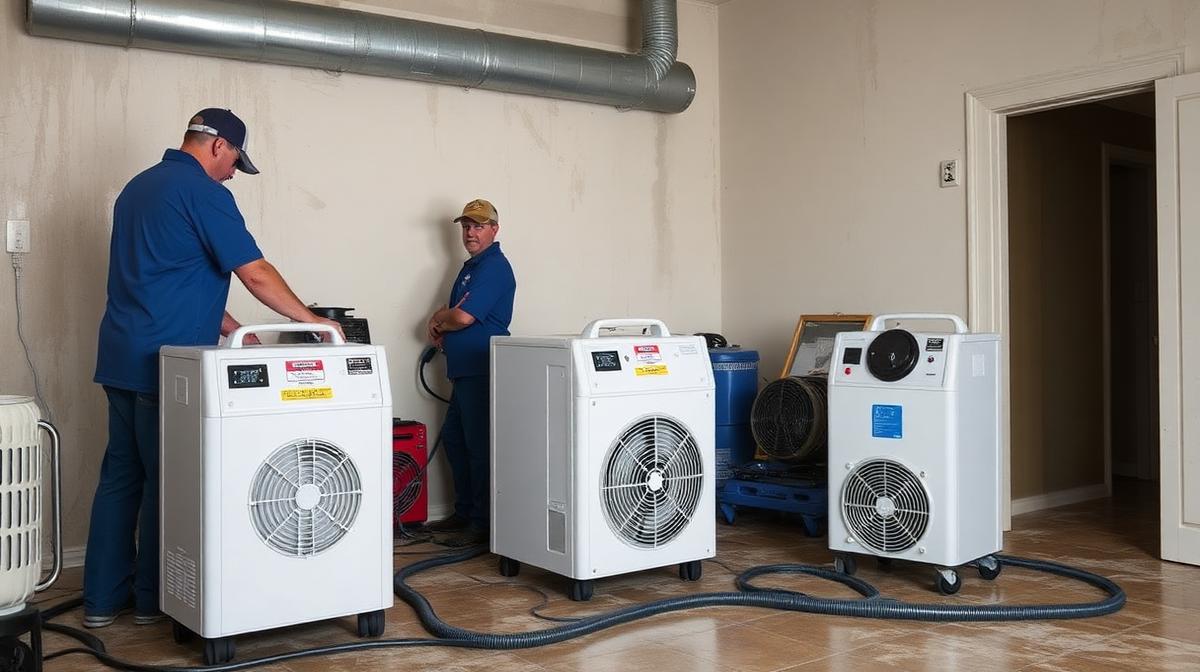
The 48 hours after a tropical system are some of the most humid of the year in Georgia — often 90%+ outdoor RH with no breeze. If your home took on water during the storm, those conditions guarantee mold growth within 24 hours unless drying equipment is running. Read about how fast mold grows after a water leak.
Insurance: The Wind-vs-Flood Distinction
This is where most hurricane claims get complicated. Insurance carriers distinguish between:
- Wind damage with consequent water: the wind tore open the envelope; water entered through that opening. Standard policy covers it.
- Flood damage: water that came from outside as rising water, regardless of cause. Requires NFIP flood policy.
- Pre-existing maintenance gaps: water entered through wear-and-tear (worn flashing, cracked caulking, aged vent boots) — typically excluded.
Documentation matters enormously. Photos that link the wind damage to the water entry point are the difference between a covered claim and a denied one. Read more about what adjusters look for during inspections.
Pre-Season Preparation (Do Before June 1)
- Roof inspection — replace any cracked vent boots, re-caulk skylights and chimney flashing
- Trim trees away from the structure — falling limbs cause most direct roof damage
- Clean gutters and extend downspouts at least 6 feet from foundation
- Re-caulk windows, especially on the south and east elevations (storm-side)
- Test sump pumps and install a battery backup if you don't have one
- Verify flood insurance is active (30-day waiting period applies)
- Photograph every room of the home for claim documentation
During and After the Storm
- Do not go on the roof during the storm. Tarp after winds drop below 25 mph.
- Photograph all damage before any cleanup begins.
- Tarp the roof within 12 hours to prevent further water entry — this is a coverable claim expense.
- Begin drying immediately with whatever airflow you can create (open windows, fans) until professional equipment arrives.
- Call a restoration company within 24 hours — earlier is better.
Hurricane damage to your Georgia home?
Call listed contractors directly and ask about roof tarping, attic drying, structural drying, and insurance documentation after tropical systems.
Where Wind-Driven Rain Actually Gets In
Most homeowners assume hurricane water comes through a roof failure. In reality, the majority of inland Georgia tropical-storm losses start at envelope penetrations the rain finds at 40+ mph wind. Ridge vents, gable vents, soffit returns, garage door tops, and the seam where a brick veneer meets a window header are the usual suspects. Water enters horizontally, runs down inside the cavity, and surfaces two rooms away from the actual breach. That's why post-hurricane inspections require thermal imaging — the visible damage and the source are rarely in the same place.
The Atlanta-Specific Risks
- Mature tree canopy in established neighborhoods like Druid Hills, Brookhaven, and Sandy Springs means falling limbs puncture roofing during the first sustained gusts.
- Older crawl-space foundations south of I-20 take on water through vent openings that face the storm.
- Walkout basements built into slope sites (common in Cobb and North Fulton) flood at the door threshold once exterior drainage backs up.
- Aging shingle roofs from the 2005–2010 build boom are at the end of their wind-rating life and shed shingles at 60 mph.
The 72-Hour Post-Storm Window
The dangerous part of tropical-system damage in Georgia is not the storm — it's the heat dome that often follows. Heat near 95°F with high humidity can last for days after a system passes. Without power for the AC, every wet building cavity becomes a mold incubator. If the grid is down in your area, prioritize generator capacity for at least one window AC unit and a dehumidifier in the wettest room.
Practical Pre-Season Hardening
Most of the hardening is cheap if it's done in May, not in October. Clear gutters and verify downspout extensions discharge at least 6 feet from the foundation. Replace any ridge-vent baffles that show daylight. Add gable-vent storm covers — under $40 each at any hardware store. Walk the roof or hire someone to walk it and look for shingles with curled corners or missing nails. Test the sump pump with a 5-gallon bucket of water. None of this is glamorous and all of it costs less than a single restoration deductible.
Related Reading
Atlanta storm damage restoration · Flash flooding preparation · Roof leak water damage.
Frequently Asked Questions
Does hurricane damage in Georgia really happen often?
Yes — Atlanta sits 250 miles inland but receives tropical-system impacts almost every Atlantic hurricane season (June 1 to November 30). Storms like Irma (2017), Michael (2018), and Idalia (2023) caused widespread wind-driven rain damage across the metro. Roof failures, attic leaks, and post-storm humidity surges are among the most common claim types.
What kind of water damage is most common after a hurricane?
Wind-driven rain pushed through roof penetrations and siding gaps is the #1 source, followed by attic ventilation failures, ridge vent leaks, and storm-related power outages disabling sump pumps. The water rarely arrives from below — it comes from above, through the envelope.
Will my homeowners insurance cover hurricane water damage?
Wind-driven rain that enters through a wind-created opening (broken window, missing shingles, torn flashing) is typically covered. Water that enters through pre-existing wear-and-tear gaps, or rising floodwater from the ground, is NOT covered by standard policies. Document the wind damage carefully and link the water entry to it.
How fast should I respond to a hurricane water leak?
Within the first 6 hours after the storm passes. Tarping the roof, drying the attic, and beginning structural drying within that window prevents mold from establishing in the high humidity that always follows tropical systems. Waiting 24+ hours typically doubles the restoration scope.
Can I tarp my own roof after a hurricane?
Small areas yes, but climbing a wet, debris-covered roof is genuinely dangerous and most homeowners insurance policies will reimburse a professional tarp installation. Free standby roof tarping is part of standard hurricane response from any IICRC restoration company. Don't risk a fall to save the labor cost.
Related Articles You May Find Helpful
Compare water damage contractors near you
Need Help Right Now?
Phone: (470) 398-4095
✓ Directory help for Georgia homeowners
✓ Compare local water-damage contractors
✓ Contractor phones stay contractor-owned
EmesticaCure is a water damage contractor directory. Browse contractors or call (470) 398-4095 for help finding one.