
IICRC-Certified Water Damage Editorial Reviewer · Georgia Field Experience
Published: May 19, 2026Last Updated: May 19, 20268 min readReviewed against IICRC S500 / S520 / S700
Can Wet Drywall Be Saved After Water Damage?
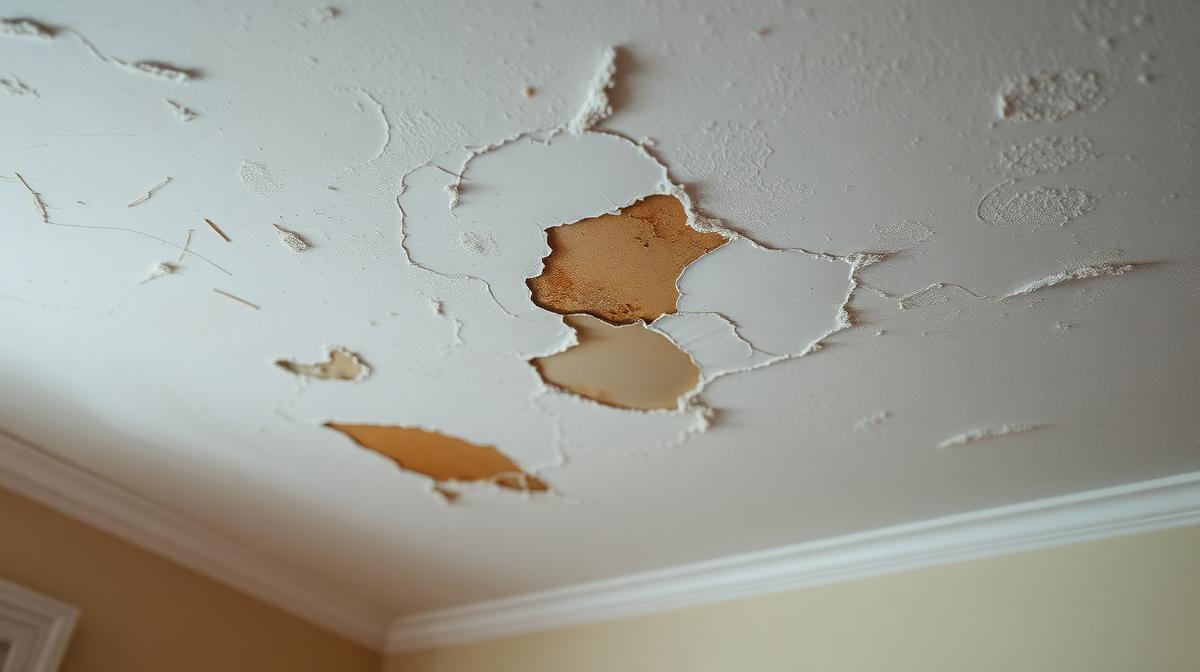
Can wet drywall be saved? Sometimes yes — depending on water category, saturation time, and height. The exact decision matrix pros follow on every job.
- •It depends on three factors: water category (Category 1 clean water can sometimes be dried in place; Category 2 or 3 require removal), sa…
- •Standard practice is 24 inches above the highest visible wet line, sometimes called a 'flood cut.' This provides margin for capillary act…
- •Under 1% MC, typically measured with a pinless moisture meter on a calibrated drywall scale. Above 1% is too wet for safe long-term reten…
- •Not safely. Even fully dried drywall that was Category 1 clean water exposed should be tested for mold before re-coating. Drywall exposed…
The instinct is to dry the wall in place and hope for the best. Sometimes that works. Often it doesn't — and the homeowner pays twice because mold appears six weeks later. Here is the exact framework restoration pros use to decide what stays and what comes out.
Quick Answer — Can Wet Drywall Be Saved?
Wet drywall can sometimes be saved when exposed to Category 1 clean water for less than 24 hours and dried promptly. Drywall exposed to Category 2 or 3 water, or saturated for more than 24 hours, must be removed — typically with a flood cut 24 inches above the visible wet line.
The Three Variables That Decide
1. Water Category
- Category 1 (clean): Can often be dried in place if caught early.
- Category 2 (gray): Must be cut and removed in saturated areas — contamination cannot be dried out.
- Category 3 (black): Full removal required regardless of saturation level. Read about Category 3 water.
2. Saturation Duration
- Under 24 hours: salvageable with prompt drying
- 24–48 hours: depends on conditions, often removed as precaution
- 48+ hours: mold risk too high, removal recommended
3. How Far the Moisture Wicked
Drywall pulls water up via capillary action — typically 12–24 inches above the visible wet line. The flood cut at 24 inches above the highest wet mark accounts for this hidden migration.
The Flood Cut Explained
A flood cut is a horizontal cut through the drywall, typically 24 inches above the highest wet line, after which the lower section is removed entirely. This exposes the wall cavity for direct airflow, allows insulation removal and replacement, and eliminates any drywall that absorbed moisture. The remaining upper drywall is then re-attached to a new horizontal stud or finished with a butt joint.
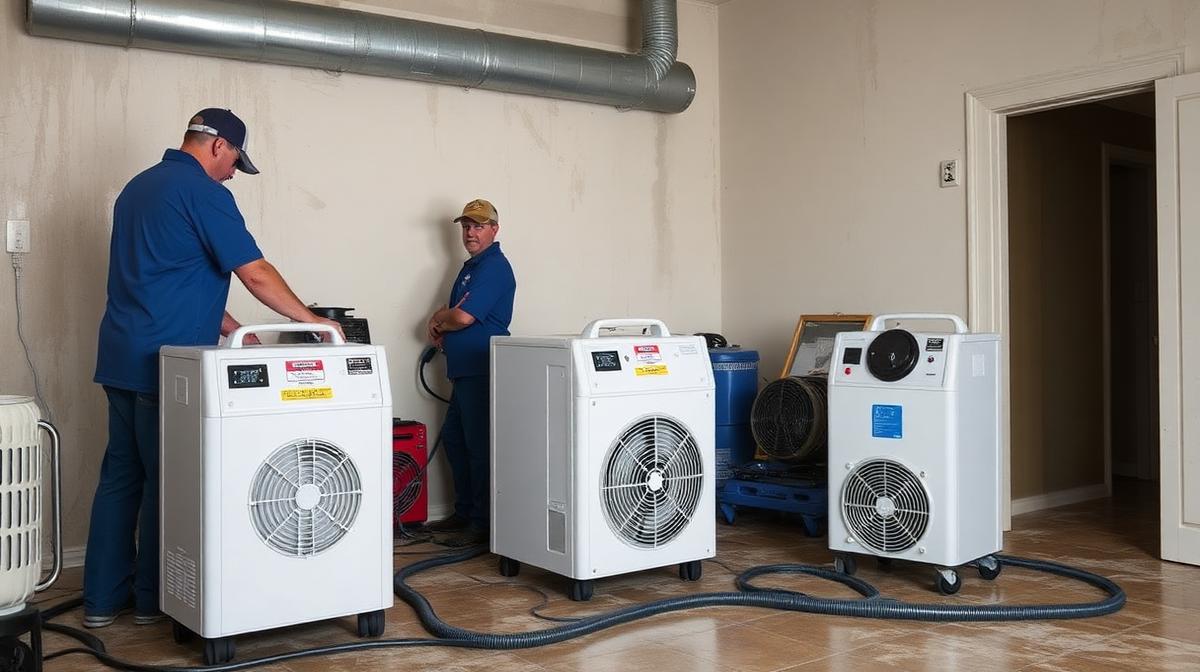
When Drying in Place Actually Works
All of the following must be true:
- Category 1 clean water source
- Less than 24 hours since exposure
- Insulation behind the drywall is not paper-faced (or has been removed)
- Aggressive drying equipment in place within hours
- Moisture readings confirm drying to under 1% MC within 3–5 days
- Post-drying inspection shows no signs of microbial growth
Why "Drying It Out" Often Fails
The drywall surface looks dry, but the back side (the gypsum core) holds moisture far longer. Without thermal imaging and pin meter readings to verify cavity drying, the wall reads "done" while the cavity is still wet. Three to six weeks later, microbial growth becomes visible and the entire wall has to come out anyway — at twice the cost.
What Replacement Costs
- Flood cut and debris removal: $400–$1,200 per room
- New drywall, tape, mud: $300–$800 per room
- Insulation replacement: $200–$600 per room
- Primer and paint to match: $300–$700 per room
- Total typical scope per room: $1,200–$3,300
Almost always covered by insurance when the underlying water loss is covered.
Wet drywall in your home?
Call listed contractors directly and ask for moisture readings, a save-vs-replace assessment, reconstruction scope, and payment terms.
The 24/48/72-Hour Decision Matrix
- Under 24 hours wet, Category 1 water: Almost always saveable with aggressive drying. Pull baseboards, drill weep holes at the bottom plate, set air movers and a dehumidifier. Most walls hit target moisture in 72 hours.
- 24–48 hours wet, Category 1 or 2: Borderline. Saveable if drying is started immediately and the paper backing shows no discoloration or bubbling. Insulation behind the wall almost always has to come out regardless.
- 48+ hours wet, any category: Cut and replace. Microbial growth has either started or is hours away, and the cost of testing whether the paper is contaminated is higher than the cost of replacement.
- Any duration, Category 3 water: Always cut and replace. IICRC S500 does not permit drying-in-place for sewage or floodwater exposure on porous materials.
The Standard 4-Inch and 24-Inch Flood Cut
When drywall has to come out, the cut height is rarely random. The 4-inch cut is used when only the bottom plate is wet and the crew is confident moisture didn't wick higher — quick, cheap, leaves most of the wall intact for a clean baseboard reinstall. The 24-inch cut is the workhorse: removes the section likely to contain wicked moisture and saturated insulation, and lands at a height that's easy to patch without seams showing under typical lighting. For Category 3 work or visible growth above 24 inches, crews cut to 48 inches or full ceiling, whichever isolates the contamination cleanly.
What Moisture Readings to Demand
Saveable drywall reads under 1% MC on a non-invasive pin meter within 72 hours of equipment setup. If readings stall above 1.5% MC after 4 days of drying, the drywall is holding bound moisture and will not reach standard — cut it out. Wood framing behind the drywall has to hit under 16% MC before reconstruction starts. Don't accept "looks dry" as a verification.
Honest Cost Comparison
- Dry in place, 100 sq ft wall: $350–$700 in drying labor and equipment, no reconstruction.
- 4-inch flood cut + replacement: $600–$1,200 including new drywall, mud, tape, paint match.
- 24-inch flood cut + replacement: $1,400–$2,800 — most common scenario.
- Full wall replacement after Category 3: $2,400–$5,000+ including disposal at biohazard facility.
The math usually favors decisive cuts. Drying borderline drywall for 6 days, then having to cut and replace it anyway because it tested positive for microbial growth, doubles the cost and the homeowner's downtime.
Related Reading
Hidden water damage behind walls · Moisture mapping · Mold growth timeline.
Frequently Asked Questions
Can wet drywall be saved or does it need to be replaced?
It depends on three factors: water category (Category 1 clean water can sometimes be dried in place; Category 2 or 3 require removal), saturation duration (under 24 hours often salvageable; longer typically not), and how high the water wicked (drywall is usually cut 24 inches above the wet line as a precaution).
How high should drywall be cut after water damage?
Standard practice is 24 inches above the highest visible wet line, sometimes called a 'flood cut.' This provides margin for capillary action that pulled moisture above the visible mark and ensures any saturated material is fully removed.
What is the moisture content target for dried drywall?
Under 1% MC, typically measured with a pinless moisture meter on a calibrated drywall scale. Above 1% is too wet for safe long-term retention and mold risk increases.
Can I just paint over wet drywall after it dries?
Not safely. Even fully dried drywall that was Category 1 clean water exposed should be tested for mold before re-coating. Drywall exposed to Category 2 or 3 water should be replaced regardless of how dry it eventually becomes — contamination is not removed by drying.
Will insurance cover drywall replacement after water damage?
Yes, when caused by a covered water loss. Insurance typically pays for the flood cut, debris removal, new drywall, taping, mudding, priming, and painting to match. The scope is usually included in the restoration company's written estimate.
Related Articles You May Find Helpful
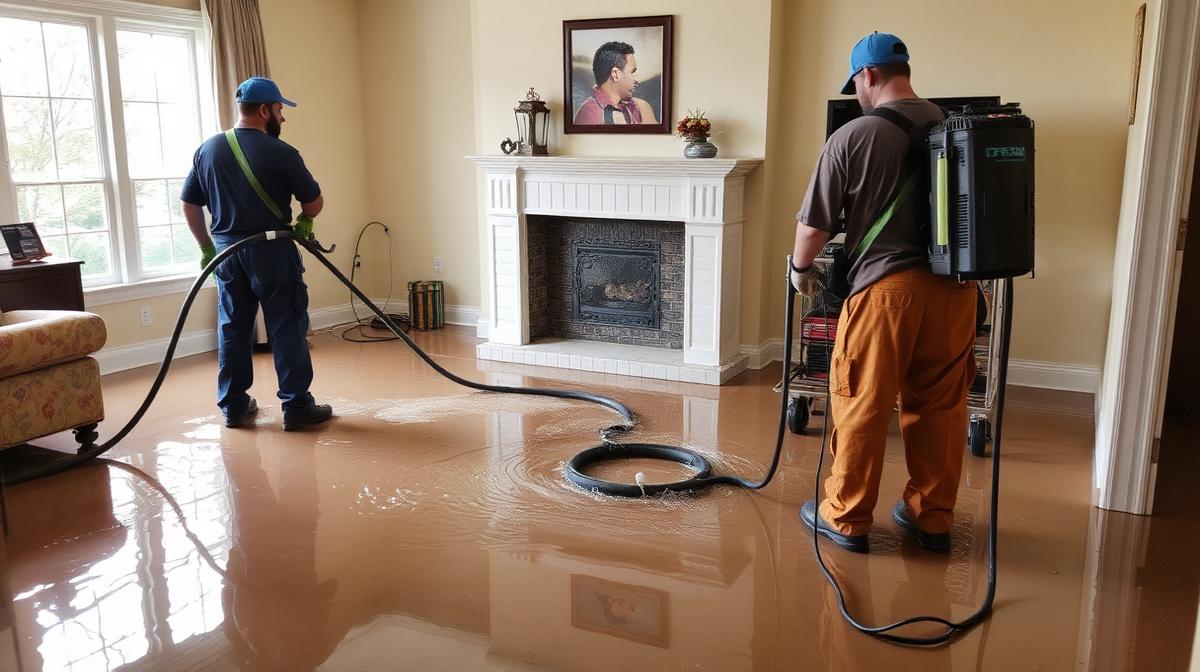
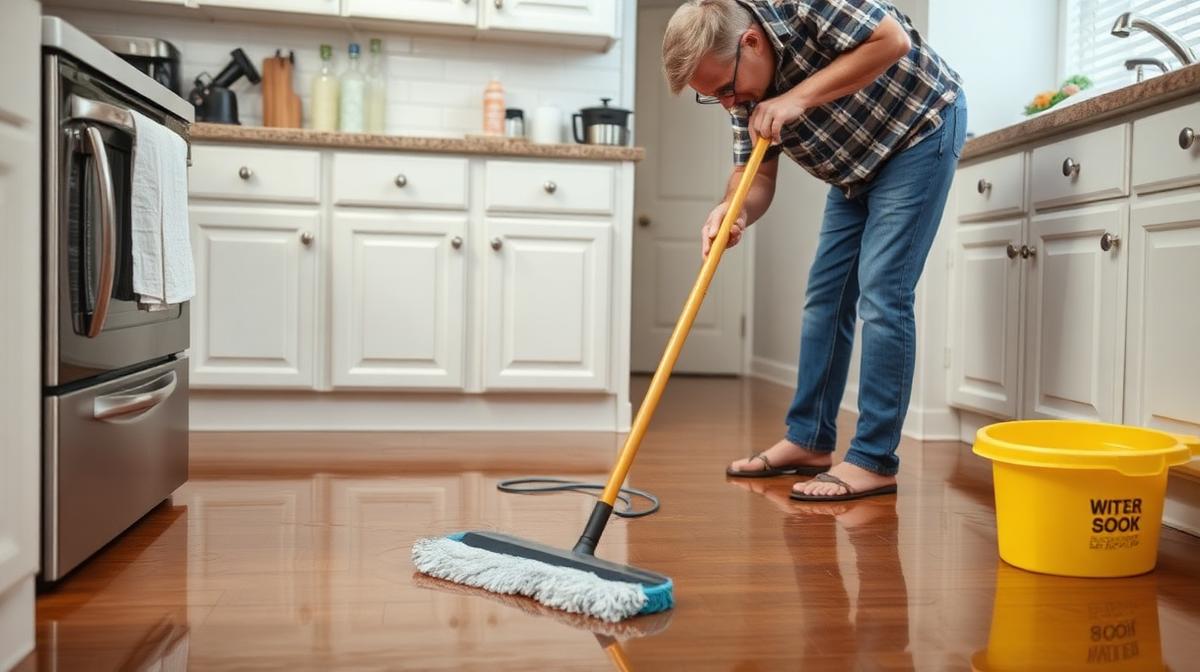
Compare water damage contractors near you
Need Help Right Now?
Phone: (470) 398-4095
✓ Directory help for Georgia homeowners
✓ Compare local water-damage contractors
✓ Contractor phones stay contractor-owned
EmesticaCure is a water damage contractor directory. Browse contractors or call (470) 398-4095 for help finding one.