IICRC-Certified Water Damage Editorial Reviewer · Georgia Field Experience
Published: May 3, 2026Last Updated: May 3, 20268 min readReviewed against IICRC S500 / S520 / S700
When Should You Call a Water Damage Restoration Company?
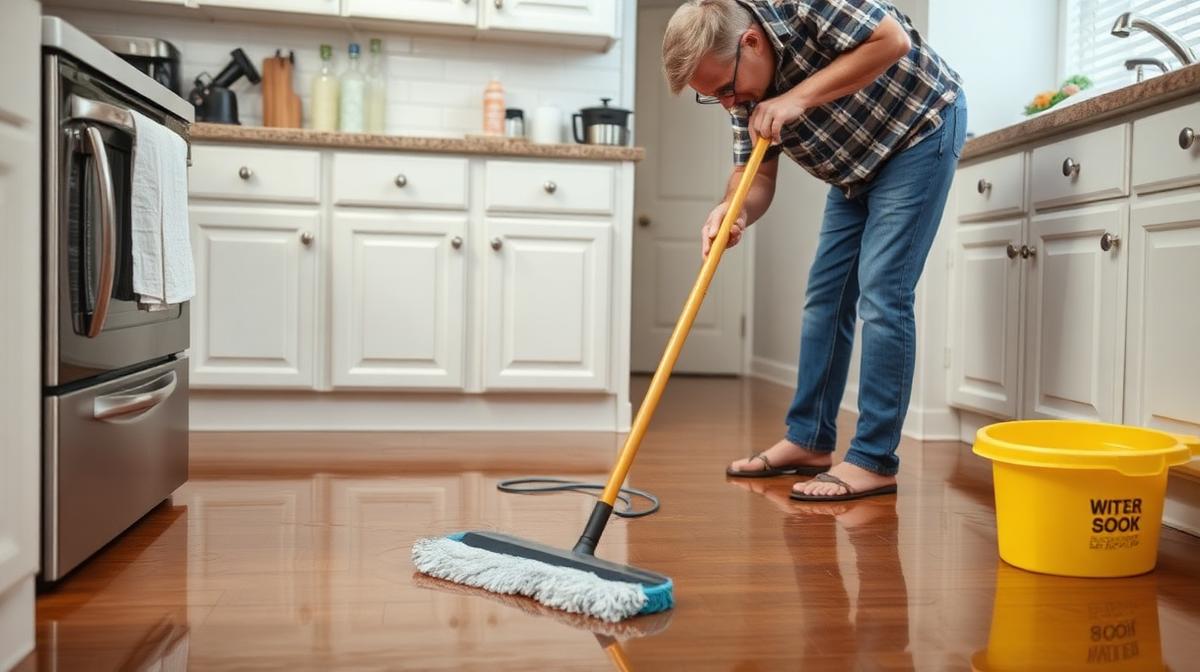
Not every leak needs a pro, but waiting on the wrong one costs thousands. Here's exactly when to call a water damage restoration company.
- —Call a restoration company anytime water has covered more than 10 square feet, has soaked into porous materials (carpet, drywall, insulat…
- —Within the first hour. Mold growth begins at 24 hours in Georgia humidity, and porous materials become unsalvageable between 48 and 72 ho…
- —It generally improves your claim. Insurance carriers prefer that you mitigate damage immediately (your duty under the policy), and a lice…
- —Some restoration companies offer low-cost or no-cost inspections. Ask before scheduling; a short walk-through with a thermal camera and m…
A toilet overflows. A dishwasher leaks under the cabinet. A storm pushes water into the basement. Some of these you can clean up with towels and a fan. Others quietly become $20,000 problems if you wait until morning. The hard part is knowing which is which — in the first hour, before mold has time to start.
This guide gives you the same decision framework restoration estimators use. No fearmongering, no upsell — just the math on when a pro saves you money and when a mop is enough.
Quick Answer — When to Call a Restoration Company
Call immediately if the water has covered more than 10 sq ft, sat for more than 24 hours, soaked into drywall or carpet pad, or involves any contaminated source (toilet, dishwasher, sewage). Below those thresholds, DIY with shop vacs, fans, and a dehumidifier can work — but only if you act within hours.
The Three Variables That Decide
Restoration professionals evaluate every loss against three numbers. Memorize them and you will make the right call every time.
1. Water Category (the source)
- Category 1 — Clean water: supply line, ice maker, sink overflow with clean water. Safest to handle.
- Category 2 — Gray water: dishwasher, washing machine, shower drain, hydrostatic seepage. Contains detergents, biological matter, and bacteria.
- Category 3 — Black water: sewage, toilet overflow with feces, rising floodwater from outside. Biohazard — DO NOT DIY.
Any Category 2 or 3 water means call a pro. Period. Read more about Category 3 water hazards.
2. Class (how much material is affected)
- Class 1: small area, minimal absorption (tile floor, small spill).
- Class 2: entire room, carpet and pad soaked, water has wicked up walls less than 24 inches.
- Class 3: water came from above — ceilings, walls, insulation, subfloor all wet.
- Class 4: deep saturation of dense materials (hardwood, concrete, plaster).
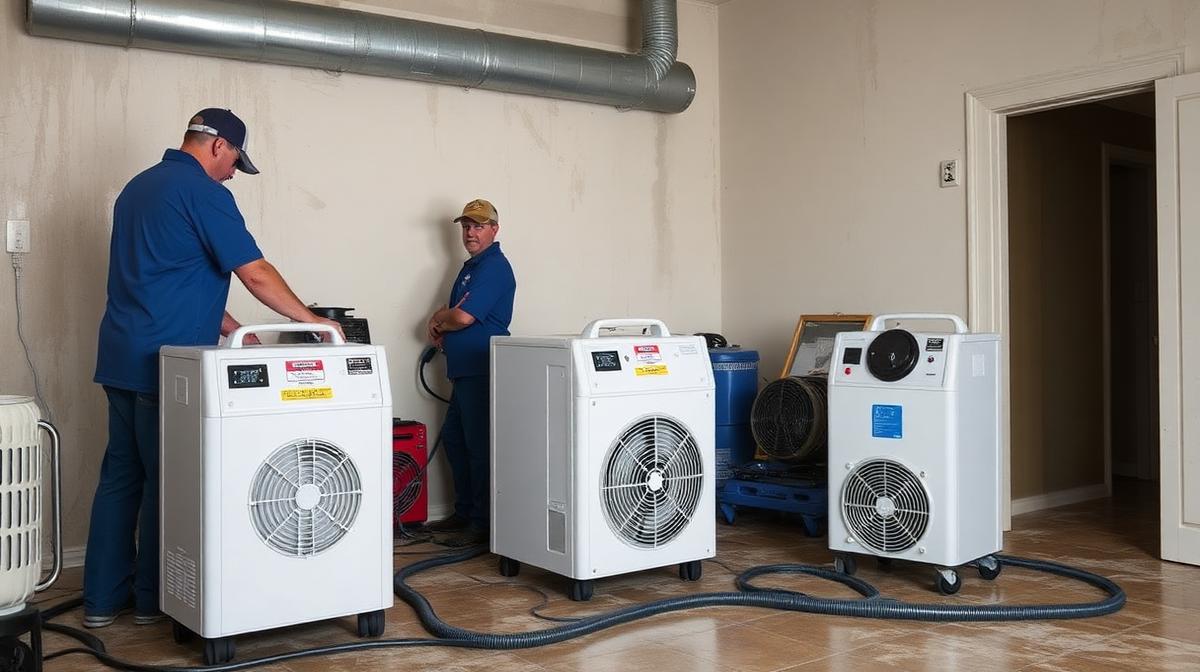
Class 2 or higher requires commercial equipment — air movers, LGR dehumidifiers, and IICRC-trained technicians.
3. Time Since the Loss
This is the variable most homeowners underestimate. Mold growth begins between 24 and 48 hours after moisture contacts porous material. In Georgia, where summer indoor humidity often runs 65–75% even with AC running, the window is closer to 24 hours. Read about the full mold growth timeline.
Decision Framework: When DIY Is Reasonable
You can probably handle it yourself if ALL of the following are true:
- Less than 10 square feet of water exposure
- Category 1 (clean) water only
- Discovered within 4 hours of the loss
- No porous materials soaked through (carpet pad still dry)
- No electrical hazards present
- You have a wet/dry vacuum, several large fans, and a dehumidifier
When You Absolutely Need a Pro
Call immediately for any of these:
- Standing water more than 1 inch deep
- Water has been sitting more than 24 hours
- Source is a toilet, washing machine, dishwasher, or sewer line
- Water has wicked into walls or up baseboards
- Carpet pad is saturated
- Any electrical outlet, fixture, or wiring contacted water — read about electrical hazards from water damage
- You smell anything musty within days of the loss
- The damage is anywhere a tenant or buyer might inspect (insurance documentation matters)
The Cost Math Most Homeowners Get Wrong
The instinct to "save money" by skipping a pro almost always backfires when you account for what comes next. Here is the typical cost progression when a homeowner waits:
- Day 1 professional extraction + drying: $1,500–$3,500 — covered by insurance minus deductible
- Day 3 — DIY didn't work, mold has started: $4,000–$8,000 — partial insurance coverage
- Week 2 — visible mold, drywall and flooring removal needed: $10,000–$20,000 — insurance may deny portions citing failure to mitigate
- Month 1 — air-quality issues, full remediation: $15,000–$35,000 — significant out-of-pocket exposure
What a Moisture Inspection Actually Tells You
If you are on the fence, ask contractors whether they offer a low-cost or no-cost moisture inspection. A visit from a trained technician can give you:
- Moisture readings in every wall and floor in the affected area
- Thermal imaging map of any hidden moisture
- Written scope of work (helpful for insurance even if you DIY)
- Honest assessment of whether you can handle it yourself
Standing water in your home right now?
Call listed contractors directly and ask who can inspect, extract, and dry the area soonest.
The Honest "DIY vs Call a Pro" Decision Tree
- Under 10 sq ft of clean water, contained on a hard surface, towels handled it in 10 minutes: DIY. Run a fan, monitor the wall and baseboard for the next 48 hours.
- Wet carpet smaller than a bathroom, clean source, you can lift the carpet to inspect pad and subfloor: DIY if you act inside 24 hours. Rent an air mover and a dehumidifier from a hardware store, lift carpet, dry pad separately.
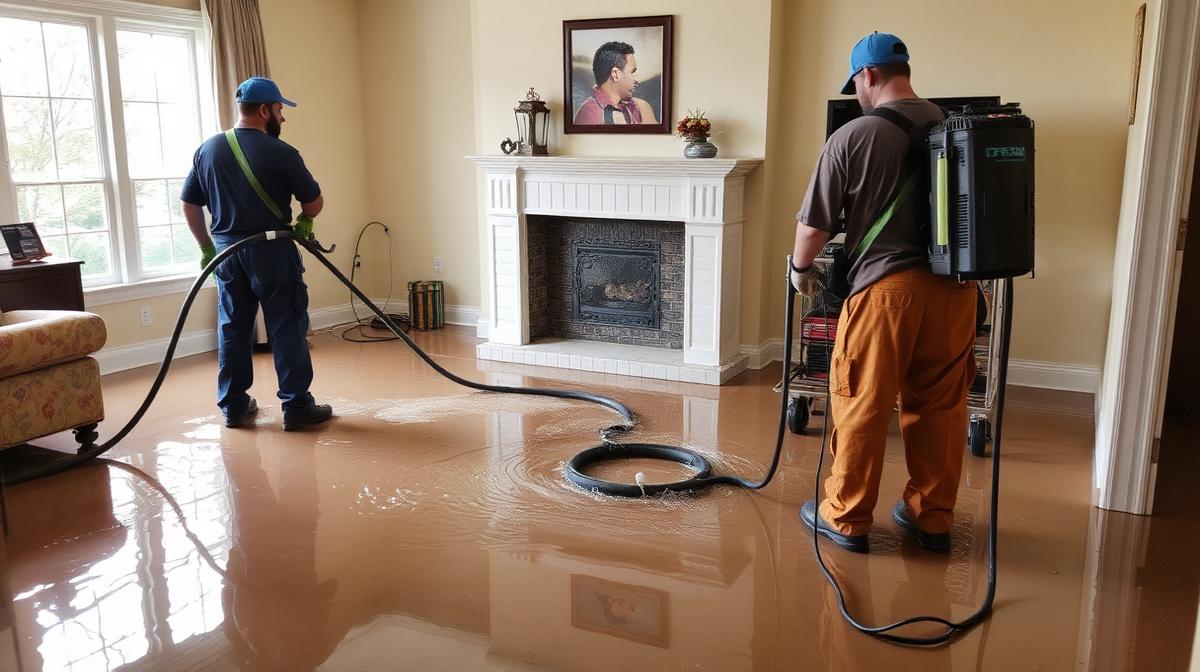
- Any standing water in more than one room, or water that reached drywall, baseboard, or insulation: Call a pro. The drying equipment and moisture documentation needed to prevent mold is past consumer capability.
- Sewer water, dishwasher discharge, toilet overflow, or floodwater of any size: Call a pro immediately. These are Category 2 or 3 and require regulated disposal.
- Water you discovered late — already smells musty, already shows staining or warping: Call a pro. You are past mitigation and into remediation, and DIY at this stage usually makes the insurance claim worse.
What "Calling a Pro" Should Actually Look Like
A real emergency response in metro Atlanta means: phone answered live 24/7, technician dispatched within 60 minutes during business hours and within 2 hours overnight, on-site extraction equipment running inside 90 minutes of arrival, moisture readings documented on day one. If a company can't commit to that timeline before you sign anything, keep dialing. The first 6 hours of a water loss decide whether mold develops or doesn't.
The Cost Conversation Up Front
Reputable restoration companies in Georgia bill insurance directly and follow Xactimate pricing — the same software your adjuster uses to calculate payout. That alignment is why most homeowners only pay their deductible. Be cautious of any company that demands cash up front, offers to "waive your deductible" (an insurance fraud red flag that can void your claim), or refuses to provide a written scope before starting work.
Related Reading
What to do in the first hour after water damage · why insurance claims get denied · full water damage contractor directory.
Frequently Asked Questions
When is water damage bad enough to call a restoration company?
Call a restoration company anytime water has covered more than 10 square feet, has soaked into porous materials (carpet, drywall, insulation), has been sitting for more than 24 hours, or involves any Category 2 or Category 3 water (washing machine, dishwasher, toilet, sewage). Below that threshold, DIY can be appropriate if you act within hours.
How quickly should I call after discovering water damage?
Within the first hour. Mold growth begins at 24 hours in Georgia humidity, and porous materials become unsalvageable between 48 and 72 hours. The faster a restoration crew gets on-site, the more of your home is saved and the lower the total cost.
Will calling a restoration company affect my insurance claim?
It generally improves your claim. Insurance carriers prefer that you mitigate damage immediately (your duty under the policy), and a licensed restoration company provides documentation, moisture readings, and a written scope of work that supports the claim. Failing to mitigate can actually reduce your payout.
What if I am not sure how bad the damage is?
Some restoration companies offer low-cost or no-cost inspections. Ask before scheduling; a short walk-through with a thermal camera and moisture meter can clarify what is wet, what is dry, and what scope of work may be needed.
Can I just dry it out myself with fans and a dehumidifier?
For small spills (under 10 square feet, clean water, less than 4 hours old), yes. For anything larger or older, consumer fans and dehumidifiers cannot move enough air or pull enough moisture to prevent mold. The math: a $200 box-store dehumidifier removes ~20 pints per day; a commercial LGR unit removes 130+ pints.
Related Articles You May Find Helpful
Compare water damage contractors near you
Need Help Right Now?
Phone: (470) 398-4095
✓ Directory help for Georgia homeowners
✓ Compare local water-damage contractors
✓ Contractor phones stay contractor-owned
EmesticaCure is a water damage contractor directory. Browse contractors or call (470) 398-4095 for help finding one.