
IICRC-Certified Water Damage Editorial Reviewer · Georgia Field Experience
Published: May 9, 2026Last Updated: May 9, 20269 min readReviewed against IICRC S500 / S520 / S700
How Older Plumbing Systems Increase Leak Risks During Summer
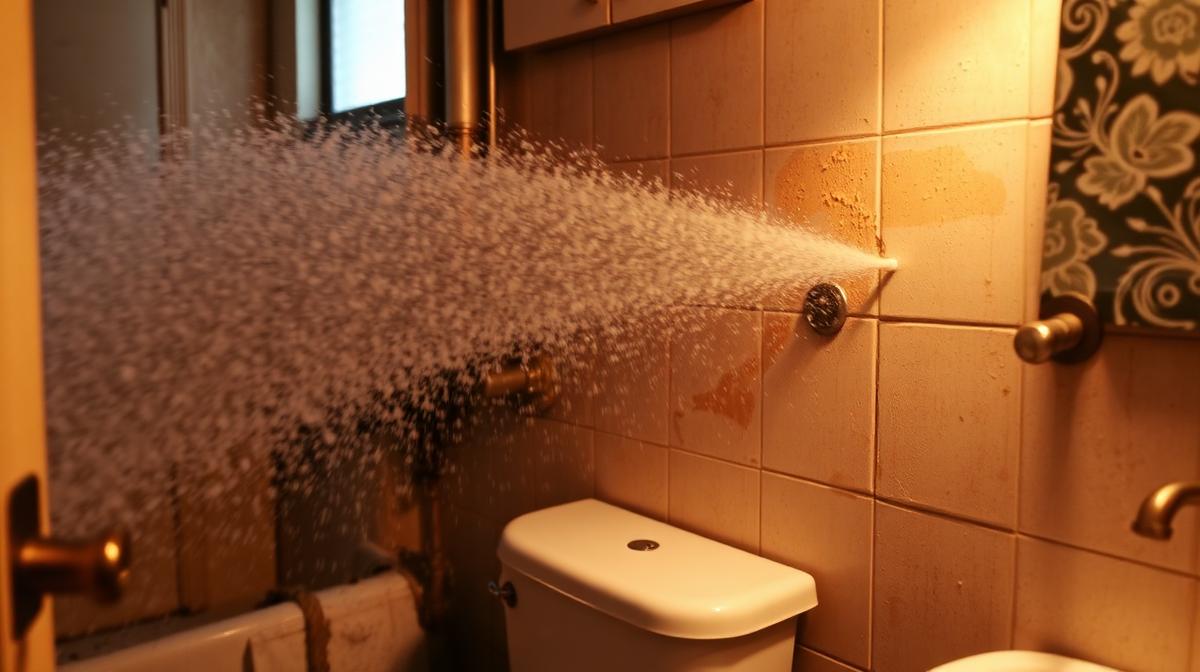
Summer heat and pressure cycling are brutal on aging pipes. Why galvanized, polybutylene, and old copper fail most often July–September.
- —Three factors converge in summer: ground temperature rises, causing soil and pipes to expand differently; municipal water demand peaks, p…
- —Galvanized steel pipes installed before 1960 are the most common failures — internal rust narrows the bore and weakens the wall until sum…
- —Check three things: water pressure (a sudden drop suggests internal corrosion in galvanized), discolored water from any tap (rust), and v…
- —Standard homeowners insurance covers sudden and accidental plumbing failures, including burst pipes — even if the pipe was old. What is N…
Most homeowners think pipe failures are a winter problem. In Georgia, the opposite is closer to the truth. Summer heat, expanding soil, and 80-PSI city pressure cycling all day quietly destroy aging supply lines. Many large residential water losses in July and August trace back to a pipe that should have been replaced a decade ago.
This guide explains why summer is the highest-risk leak season for older homes, which pipe materials fail most often, and how to know if your home is on borrowed time.
Quick Answer — Older Plumbing and Summer Leak Risks
Older plumbing fails more often in summer because higher ground temperatures and peak municipal water pressure stress already-weakened pipes. Galvanized steel (pre-1960), polybutylene (1978–1995), and old soldered copper are the highest-risk materials. Proactive replacement costs less than a single major failure.
Why Summer Beats Winter for Plumbing Failures in Georgia
Winter pipe failures get the headlines because freezing temperatures cause dramatic, fast bursts. But in the Southeast, freezing events are rare and short. Summer stresses are continuous and cumulative:
- Higher ground temperatures — soil expansion shifts buried supply lines.
- Peak municipal pressure — water demand drives line pressure to 80+ PSI, the upper limit of residential systems.
- Continuous demand cycling — pipes that survived winter on light use get hammered by summer irrigation, pool fills, and increased indoor water consumption.
- UV and heat exposure on outdoor lines — accelerates plastic degradation.
The Three Pipe Materials That Fail Most Often
1. Galvanized Steel (Pre-1960)
A common failure pattern. Galvanized pipes corrode from the inside out — rust narrows the bore, restricts flow, and eats through the wall. By age 50+, the wall may be paper-thin. Summer pressure spikes rupture them.
Warning signs: reduced water pressure, rusty water from any tap, visible rust streaks on exposed pipe.
2. Polybutylene (1978–1995)
Gray flexible plastic widely used in residential plumbing during this period. Chlorine in municipal water reacts with the polymer and causes it to become brittle over time. Failures are sudden — the pipe cracks lengthwise without warning. Almost every polybutylene system has either failed or is on borrowed time.
Warning signs: gray plastic pipe anywhere visible, leaks at fittings, no leaks visible but a 35+ year old polybutylene system is high risk by default.
3. Old Soldered Copper
Copper itself lasts 50+ years, but pre-1986 systems were soldered with lead-based solder that can fail at the joints under thermal cycling. Pinhole leaks in old copper are also common in areas with acidic well water.
Warning signs: green or blue staining around fittings, pinhole leaks, water that tastes metallic.
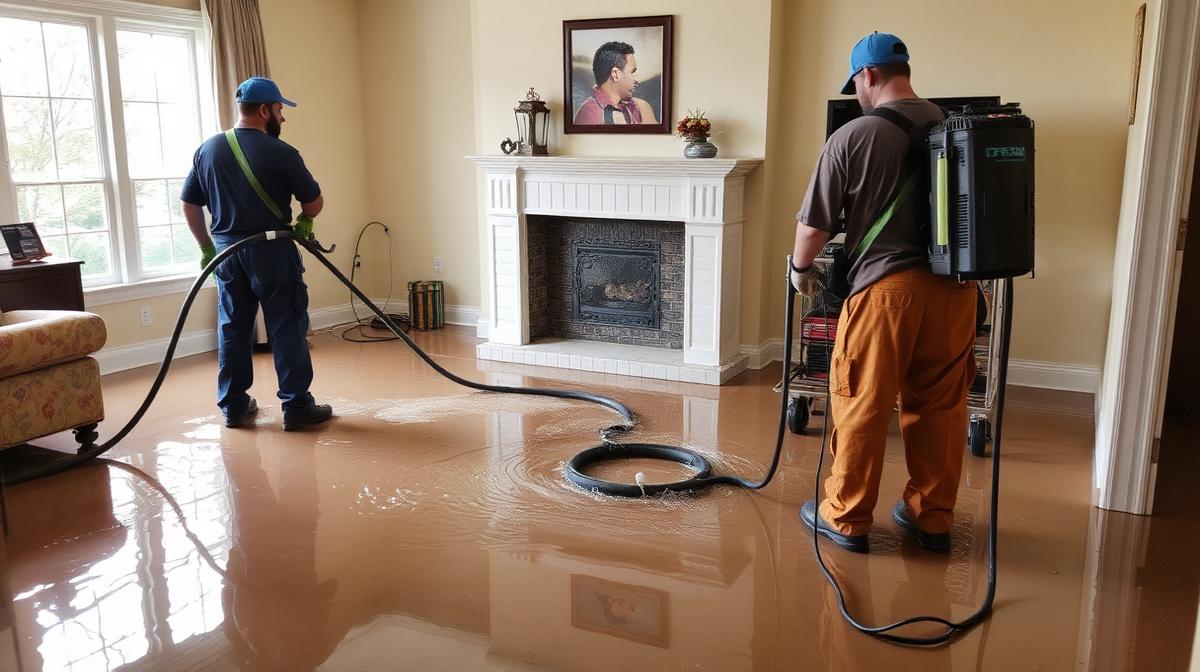
How a Single Leak Becomes a Catastrophic Loss
A pinhole leak in a wall cavity at 60 PSI releases approximately 1.5 gallons per minute. That is 90 gallons per hour. A weekend away while a wall pipe leaks unnoticed equals 4,000+ gallons of water inside the structure — enough to require full drywall replacement, subfloor demolition, and mold remediation across multiple rooms.
Read about hidden water damage behind walls for what happens next.
The Inspection Most Homeowners Skip
A licensed plumber can evaluate your system in under an hour. Cost is typically $150–$300 for a comprehensive inspection. The plumber will:
- Identify pipe materials throughout the home
- Measure water pressure at multiple points
- Inspect visible pipes for corrosion, scaling, or stress
- Test shutoff valves to confirm function
- Recommend repairs or proactive replacement
If you have lived in a home for 20+ years without a plumbing inspection, schedule one before summer hits.
Cost: Proactive Replacement vs Catastrophic Loss
- Whole-house galvanized replacement (PEX or copper): $4,000–$12,000
- Polybutylene replacement: $5,000–$15,000 (class-action settlements may help)
- Single section copper repipe: $1,500–$4,000
- Typical major leak claim (insurance): $12,000–$35,000 with possible coverage gaps
What to Install Now to Limit the Damage
- Pressure regulator — keeps incoming line at 50–60 PSI even when city pressure spikes ($150–$300 installed)
- Smart leak detector — shuts off water automatically when abnormal flow is detected ($300–$700 installed)
- Whole-house shutoff valve — confirm it works; replace if frozen open
- Annual plumbing inspection — catches problems before they become emergencies
Pipe failure flooded your home?
Call listed contractors directly and ask about current availability for burst pipes, pinhole leaks, and major plumbing failures.
The Specific Plumbing Eras That Fail in Summer
- Polybutylene (1978–1995): Still present in thousands of metro Atlanta homes. Reacts with chlorine in municipal water, becomes brittle, splits at fittings — often at the highest pressure of the day, which is around 7 PM in summer.
- Galvanized steel (pre-1980): Internal corrosion narrows the bore until pressure builds and forces a pinhole at the weakest joint. Summer demand spikes accelerate the failure.
- Copper with high-velocity flow (any age): Erosion corrosion at elbows where the line was sized too small for fixture demand. Common in 1990s builds with single 1/2-inch trunk lines feeding multiple bathrooms.
- Original CPVC (1985–2000): UV exposure in attics combined with summer heat cycling makes the plastic chalky and brittle.
Why Summer Specifically
Three things change in summer: water main pressure rises 5–15 psi during peak demand, attic temperatures hit 140°F+ which cycles every supply line in the attic through extreme thermal expansion, and household water use jumps with kids home, pools filling, and irrigation running. Any one of those stresses can find the weak joint that survived twenty winters. Together, they make June through August the highest-claim months in our region after spring storm season.
What a 15-Minute Inspection Catches
Walk the basement or crawl space with a flashlight once a month. Look at every elbow and tee for green staining (copper corrosion), white mineral build-up (slow leak), or brown drip lines on the joist below the fitting. Open the cabinet under every sink — discoloration on the back wall or cabinet floor is the early signal. Check the washing machine supply hoses; if they're original rubber, replace them with braided stainless ($25 a pair) before they fail at 2 AM.
Cost of Action vs Cost of Inaction
A whole-house repipe in metro Atlanta runs $4,500–$11,000 depending on house size and material chosen (PEX is standard now). A polybutylene failure that runs unnoticed for 8 hours while the family is at work routinely produces $18,000–$35,000 in restoration cost plus a deductible and a premium increase. The math is rarely close.
Related Reading
Burst pipe in Atlanta — emergency steps · Burst pipe in Alpharetta after a freeze · Water damage contractor directory.
Frequently Asked Questions
Why do plumbing systems leak more in summer?
Three factors converge in summer: ground temperature rises, causing soil and pipes to expand differently; municipal water demand peaks, pushing line pressure to its upper limits (80+ PSI); and longer days mean more cycles of high water use. Older pipes that survived winter often fail when these summer stresses combine.
What types of plumbing fail most often in summer?
Galvanized steel pipes installed before 1960 are the most common failures — internal rust narrows the bore and weakens the wall until summer pressure ruptures them. Polybutylene (gray plastic, 1978–1995) is the second most common. Old copper soldered with lead-based joints comes third.
How can I tell if my older plumbing is at risk?
Check three things: water pressure (a sudden drop suggests internal corrosion in galvanized), discolored water from any tap (rust), and visible pipe condition where accessible (basement, crawlspace, under sinks). If you see green/blue staining on copper, rust streaks on galvanized, or gray polybutylene anywhere, schedule a plumber's evaluation.
Does insurance cover damage from old plumbing that finally fails?
Standard homeowners insurance covers sudden and accidental plumbing failures, including burst pipes — even if the pipe was old. What is NOT covered is gradual seepage you should have noticed and addressed. The key word is 'sudden' — a galvanized pipe that ruptures suddenly is covered; one that has been weeping for six months is not.
Should I replace my old plumbing before it fails?
If you have galvanized steel or polybutylene, yes — proactively. Replacement cost is $4,000–$15,000 depending on home size. The average insurance claim from a single galvanized failure is $12,000–$25,000, often with cleanup challenges and partial denials for prior knowledge if leaks have happened before. Preventive replacement pays for itself.
Related Articles You May Find Helpful
Compare water damage contractors near you
Need Help Right Now?
Phone: (470) 398-4095
✓ Directory help for Georgia homeowners
✓ Compare local water-damage contractors
✓ Contractor phones stay contractor-owned
EmesticaCure is a water damage contractor directory. Browse contractors or call (470) 398-4095 for help finding one.