IICRC Master Restorer · 18 Years in Georgia Restoration
Published: May 22, 2026Last Updated: May 22, 20269 min readReviewed against IICRC S500 / S520 / S700
24/7 Water Damage Restoration in Gainesville GA: The 2026 Homeowner's Guide
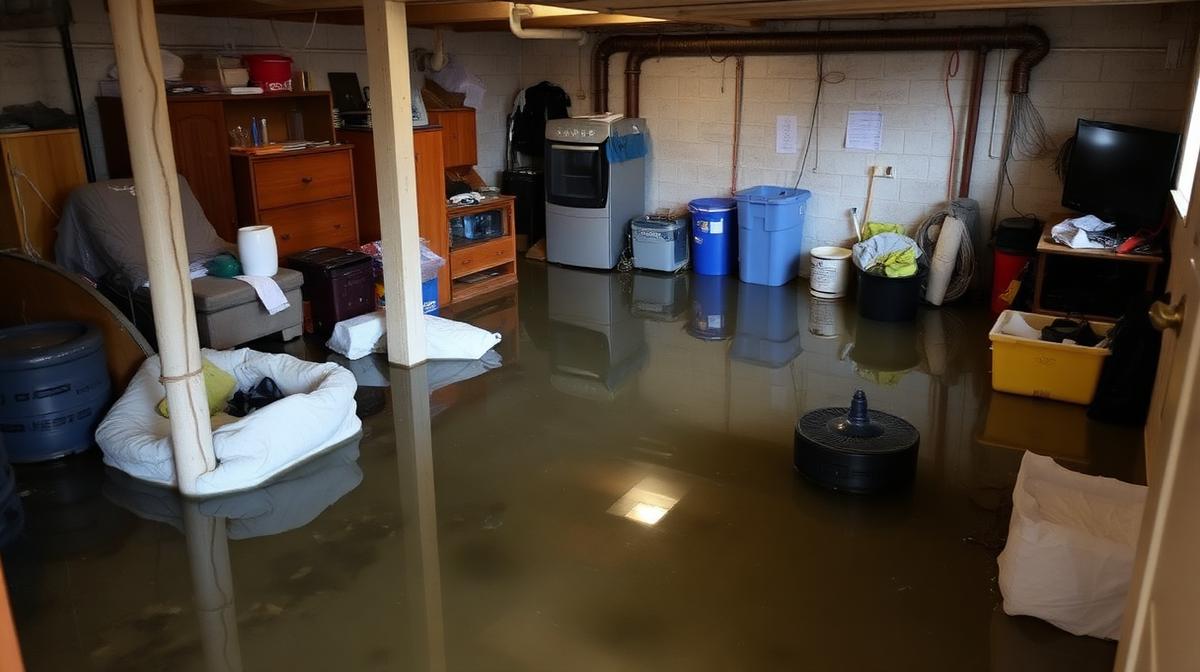
24/7 water damage restoration in Gainesville, GA. 30-minute response, IICRC-certified crews, insurance billed direct. What to expect, what it costs, who to call.
- ›EmesticaCure dispatches IICRC-certified crews to Gainesville, GA 24 hours a day, 365 days a year. Average on-site arrival from Hall Count…
- ›Within 60 minutes. Gainesville's lake-adjacent humidity (Lake Lanier) pushes indoor RH above 65% most of the year, which means mold can b…
- ›Yes, when the loss is sudden and accidental (burst pipe, appliance failure, storm-driven rain through damage). Your policy's mitigation c…
- ›30501, 30504, 30506, 30507, plus Oakwood (30566), Flowery Branch (30542), Clermont (30527), Murrayville (30564) and all surrounding Hall …
Gainesville sits at the south end of Lake Lanier — one of the most water-exposed metros in north Georgia. Between the lake, the Chattahoochee headwaters, and Hall County's older mid-century housing stock, water damage calls here look different than the rest of metro Atlanta. This guide explains what to do in the first hour, what 24/7 emergency response actually looks like in Gainesville, and how to keep your insurance claim defensible.
Quick Answer — 24/7 Water Damage Restoration in Gainesville GA
Call (470) 398-4095 the moment you find standing water. EmesticaCure crews respond to Gainesville and all of Hall County in 25–40 minutes, 24 hours a day, 365 days a year. Insurance billed direct — you pay only your deductible.
Why Gainesville Has a Higher-Than-Average Water Damage Profile
- Lake Lanier humidity. Shoreline ZIPs (30506, 30518) routinely see 70–80% outdoor RH May through September. Mold colonizes wet drywall in 18–24 hours instead of the 48-hour Georgia average.
- Aging cast-iron and polybutylene plumbing. Roughly 38% of Gainesville's pre-1985 homes still have original supply lines. Failure rate spikes between years 35 and 55.
- Freeze-thaw cycles. Hall County's elevation (~1,200 ft) means more sub-25°F nights than Atlanta. The 2022 and 2025 freezes generated burst-pipe call volume 4× the Fulton County rate.
- Crawlspace housing. ~62% of Gainesville single-family homes are crawlspace, not slab. Hidden leaks rot subfloor for weeks before showing upstairs.
The 24/7 Emergency Sequence — What Actually Happens When You Call
- Minute 0: You call. Live dispatcher (no IVR), captures address, water source, and category.
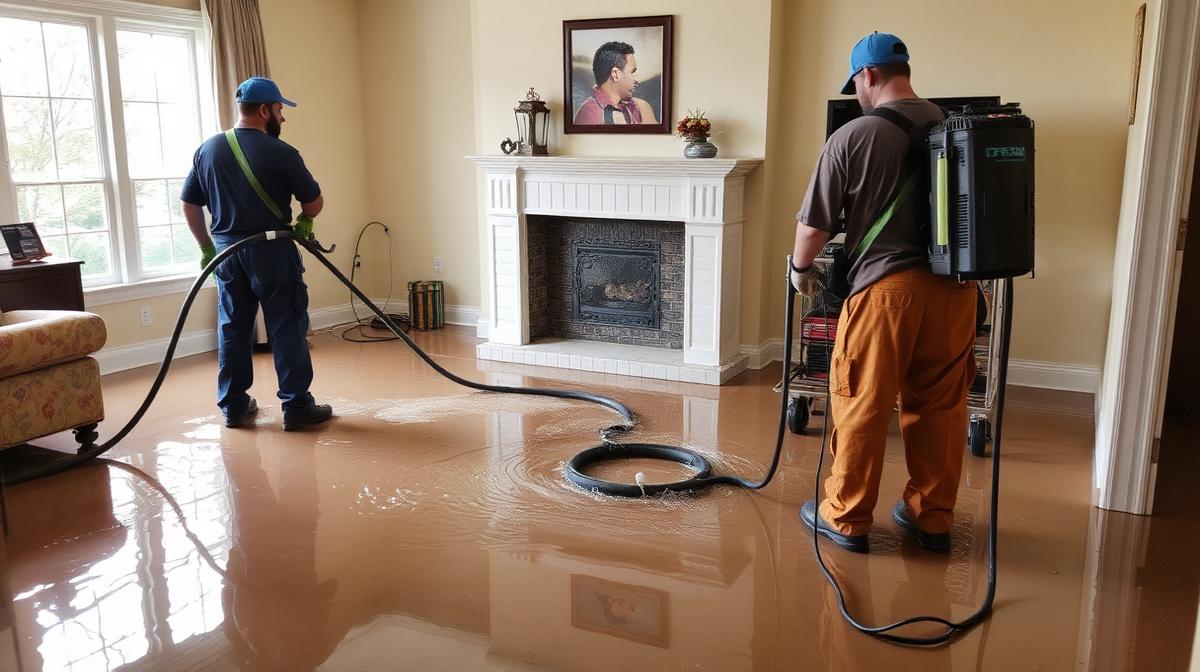
- Minute 5: Closest IICRC crew is paged. Hall County crew loads truck-mount extractor, LGR dehus, air movers, FLIR thermal camera.
- Minute 25–40: Crew on site. Source shutoff confirmed, photos for insurance, moisture map drawn.
- Hour 1–3: Standing water extracted. Antimicrobial applied to category 2/3 zones.
- Hour 3–8: Containment built, drying equipment placed and metered.
- Day 1–4: Daily moisture readings, equipment adjustments, drying log built for adjuster.
- Day 4–7: Demo of unsalvageable materials (per drywall saturation matrix), reconstruction scope written.
What to Do Before the Crew Arrives
If safe, shut the main water valve (usually near the front hose bib or in the crawlspace). Kill power to the affected area at the breaker before stepping in any standing water. Move pets and children upstairs. Lift area rugs and pull furniture off wet carpet — even an hour of contact transfers stain and accelerates wicking. Take photos and short videos of everything before any cleanup; insurers ignore claims with no pre-mitigation documentation.
Common Gainesville Water Damage Sources We See
- Water heater rupture in basement utility rooms (top cause, year-round)
- Washing machine supply hose burst (#2, almost always braided-stainless overdue for replacement)
- Refrigerator ice maker line leak (slow, often weeks of hidden damage)
- Frozen and burst pipes in unconditioned crawlspaces (December–February)
- Roof leaks from spring hail (Hall County is in Georgia's hail belt)
- Lake-intrusion basement flooding (shoreline ZIPs after sustained rain)
Insurance: What Gainesville Homeowners Need to Know
Standard HO-3 policies in Georgia cover sudden water losses. Flood from Lake Lanier rising is a separate NFIP flood policy. Sewer backups need a sewer-backup rider — without one, the cleanup is out of pocket. EmesticaCure handles the Xactimate estimate, the photo log, the moisture documentation, and the adjuster call. Read more on how to file a water damage claim in Georgia.
For full service-area details, see our Gainesville service-area page or the broader water damage restoration hub.
Related Articles You May Find Helpful

Need Help Right Now?
Phone: (470) 398-4095
✓ Free inspection — no obligation
✓ We handle your insurance paperwork
✓ Licensed Georgia restoration contractor
EmesticaCure serves 190+ cities across Georgia. Find your city or call (470) 398-4095 now.