IICRC-Certified Water Damage Editorial Reviewer · Georgia Field Experience
Published: April 13, 2026Last Updated: April 13, 20269 min readReviewed against IICRC S500 / S520 / S700
Which Atlanta Neighborhoods Are Most at Risk for Water Damage?
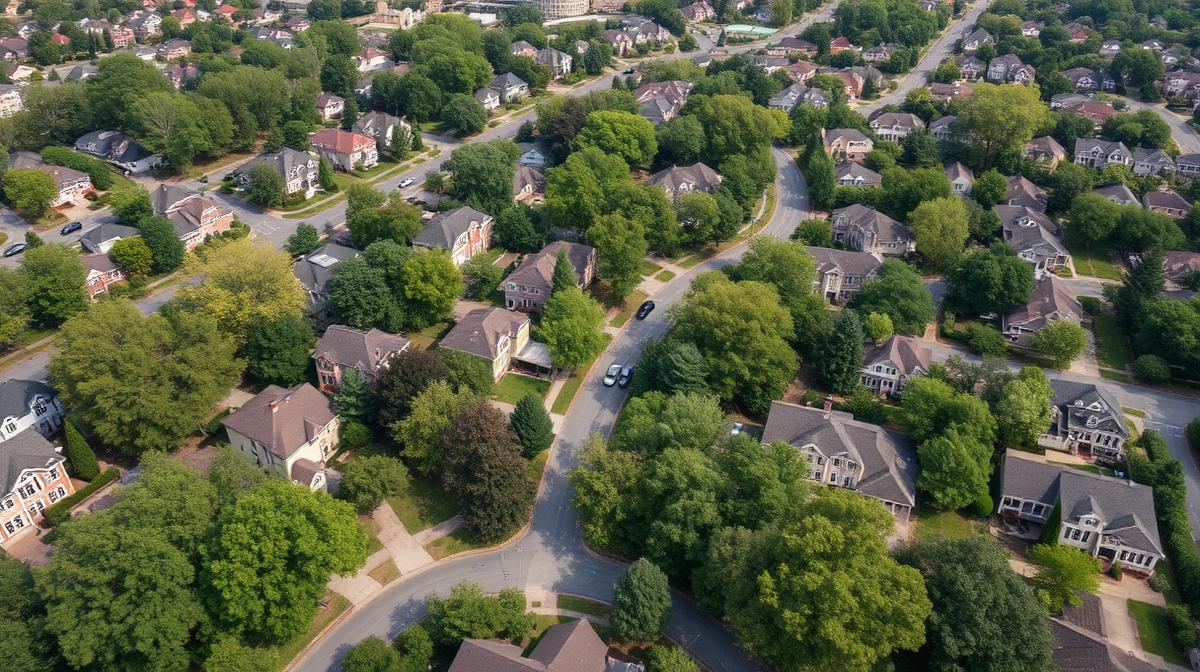
Some Atlanta neighborhoods face higher water damage risk. Which areas, why, and how to protect your home from common damage.
A couple in Virginia-Highland came home from a weekend trip to find their hallway ceiling sagging and water streaming down the walls. Their 1954 galvanized supply line had finally given out. Two doors down, the neighbor's house was bone dry — same age, same builder, but they'd replaced their pipes three years earlier. That's Atlanta water damage in a nutshell: your risk depends almost entirely on which neighborhood you live in and the specific vulnerabilities that come with it.
This is the most hyper-local water damage guide you'll find for metro Atlanta. Every section targets a specific neighborhood's unique risk factors — not generic advice. Need help finding a contractor right now? Browse the water damage contractor directory — and use this guide to protect your home before damage strikes.
Midtown & Virginia-Highland: The Burst Pipe Capital of Atlanta
Homes built before 1960 in Midtown and Virginia-Highland almost always have galvanized steel supply lines. These pipes corrode from the inside out over decades. By the time one fails, every pipe in the house is close behind.
Older galvanized supply lines make VaHi a common neighborhood in burst pipe emergency discussions. A single burst galvanized line can dump 400+ gallons per hour into your walls and floors. If you live in this area and haven't replaced your supply lines, it's not a question of if they'll burst — it's when.
Prevention for Midtown / VaHi
- Get a plumbing inspection specifically for galvanized pipe condition — a camera scope costs $150–$300
- Budget for a full repipe ($4,500–$8,000 for a typical VaHi bungalow) before an emergency forces it
- Install a whole-house water shutoff valve with a smart leak detector that cuts water automatically
Grant Park & East Lake: Combined Sewer Overflow Zone
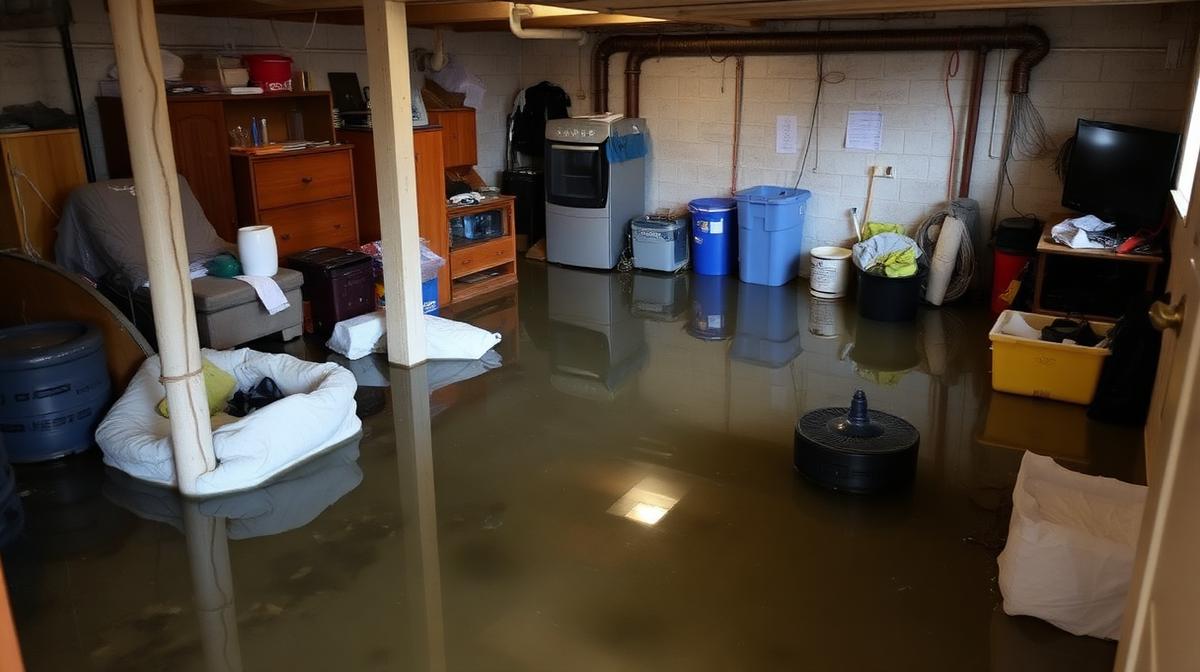
Grant Park and East Lake sit on Atlanta's oldest combined sewer system. During heavy storms, stormwater overwhelms the system and raw sewage backs up through floor drains. This is Category 3 water — the most dangerous and expensive classification to remediate.
In a Grant Park-style sewer backup, finished-basement drywall, carpet, and furniture may be treated as contaminated. Category 3 contamination often changes what can be cleaned versus removed.
Prevention for Grant Park / East Lake
- Install a backwater valve on your main sewer line — $300–$600 installed, saves thousands
- Add a sewer backup endorsement to your homeowner's policy (typically $40–$80/year)
- Never finish a basement in a combined sewer zone without a backwater valve first
Buckhead: Steep Terrain Funnels Water to Foundations
Buckhead's rolling hills create beautiful lots — and devastating drainage problems. Steep grades channel thousands of gallons of storm runoff directly toward foundations. French drain failures are the number one cause of Buckhead basement flooding.
Georgia red clay has a permeability rate near zero. Water sits on top instead of draining. When French drains clog with clay sediment and root intrusion — which happens every 5–8 years without maintenance — the full force of every rainstorm hits your foundation wall.
Prevention for Buckhead
- Have French drains flushed and inspected every 3–5 years
- Ensure grading slopes away from foundation at minimum 6 inches per 10 feet
- Install a battery backup sump pump — power outages during storms are when you need it most
Don't wait for damage to spread.
Call EmesticaCure at (470) 398-4095 for help finding water-damage contractor options.
Chamblee & Doraville: Deferred Maintenance in Aging Complexes
Chamblee and Doraville have a high concentration of 1970s–1980s apartment complexes and townhomes. Deferred maintenance creates chronic water damage problems — slow roof leaks, corroded supply lines, and failing water heaters.
Multi-unit buildings have cascading damage. One unit's supply line leak floods the unit below. Insurance situations get complicated fast with multiple carriers involved. In Chamblee complexes, a single third-floor water heater failure damaged four units below it.
Prevention for Chamblee / Doraville
- Replace water heaters proactively at 8–10 years — don't wait for failure
- Check ceilings in lower units for staining after heavy rain
- Know your HOA's master policy vs. your HO6 policy coverage boundaries
Sandy Springs & Dunwoody: Creek Flooding Near Chattahoochee Tributaries
Properties within 500 feet of creek beds in Sandy Springs and Dunwoody face repeated flooding during heavy rain events. Many homeowners don't realize they're in a FEMA flood zone until after the first event — and by then, they discover their standard homeowner's policy doesn't cover rising water.
North Georgia averages 52 inches of rain annually — 14 inches above the national average. That volume feeds directly into Chattahoochee tributaries that run through Sandy Springs backyards. Creek levels can rise 3–5 feet in under an hour during intense storms.
Prevention for Sandy Springs / Dunwoody
- Check your FEMA flood zone status at fema.gov/flood-maps — don't rely on your agent's guess
- Purchase NFIP flood insurance ($700–$1,500/year in Georgia) — there's a 30-day waiting period before coverage starts
- Elevate HVAC equipment, water heaters, and electrical panels above the base flood elevation
Peachtree City & Fayetteville: Slab-on-Grade on Red Clay
Slab-on-grade construction on Georgia red clay creates zero natural drainage. Water has nowhere to go. Slab leaks go undetected for weeks or months — the first sign is usually a water bill that doubles or floors that start buckling.
A warm tile patch can point to a hot-water slab leak. If water migrates under flooring, documentation and timing become important for both cleanup planning and insurance review.
Prevention for Peachtree City / Fayetteville
- Monitor your water bill monthly — any unexplained increase over $30 warrants investigation
- Walk barefoot on tile floors seasonally — warm or cool spots indicate a potential slab leak
- Install a water leak detection system at the main shutoff ($200–$500)
How to Use the Directory
EmesticaCure organizes contractor discovery around local water risks so homeowners can ask better questions before hiring a contractor.
- Contractor-owned phone numbers on listing cards and profiles
- Human-reviewed listing details before claimed or paid profiles go live
- Water-damage focus for extraction, drying, mitigation, and cleanup questions
Whether you are dealing with a VaHi burst pipe or a Sandy Springs creek flood, use the Atlanta directory page to compare contractor options.
Know Your Neighborhood, Protect Your Home
Every Atlanta neighborhood has its own water damage fingerprint. The homeowner who understands their specific risks can prevent 80% of water damage events with targeted maintenance that costs a fraction of emergency restoration.
If you've already experienced damage or want a professional assessment of your home's vulnerabilities, read our Atlanta water damage emergency guide for immediate steps. For hidden signs of water damage you might be missing, that guide covers what to look for behind walls and ceilings.
EmesticaCure is a Georgia water-damage contractor directory. Call (470) 398-4095 for help finding local options.
Related Articles You May Find Helpful
Compare water damage contractors near you
Need Help Right Now?
Phone: (470) 398-4095
✓ Directory help for Georgia homeowners
✓ Compare local water-damage contractors
✓ Contractor phones stay contractor-owned
EmesticaCure is a water damage contractor directory. Browse contractors or call (470) 398-4095 for help finding one.