
IICRC-Certified Water Damage Editorial Reviewer · Georgia Field Experience
Published: June 27, 2026Last Updated: June 27, 202610 min readReviewed against IICRC S500 / S520 / S700
Legacy Resource: Fire-Related Cost Questions in Georgia
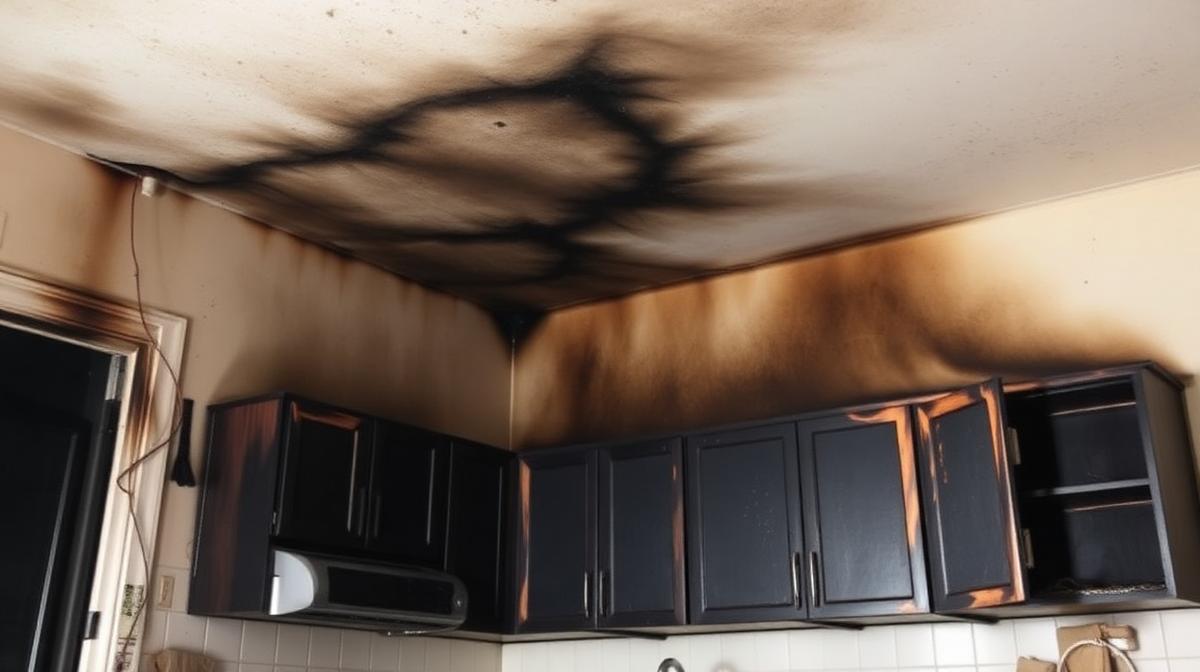
Legacy educational resource about fire-related cost factors. EmesticaCure now focuses on water-damage contractor discovery in Georgia.
- —Fire-related repair costs in Georgia can range from a few thousand dollars for a small contained kitchen event to $50,000+ for multi-room…
- —Many standard Georgia homeowners policies cover fire-related structure damage, smoke, soot, and water damage from firefighting. Confirm d…
- —Three line items often drive cost: smoke and soot decontamination of porous surfaces, contents pack-out and cleaning, and reconstruction …
- —Soot is acidic and begins permanently etching glass, metal, and finishes within 24–72 hours. In Georgia's humidity, smoke odor bonds chem…
A homeowner in Marietta is cooking dinner when a grease pan ignites. The fire is out in 90 seconds — but the kitchen ceiling is black, the cabinets reek, and a fine layer of soot has somehow reached the upstairs hallway. Their first call after 911 is to their insurance company. Their second question, always, is: how much is this going to cost?
This legacy educational guide explains fire-related cost factors in Georgia — by fire size, smoke category, and possible insurance issues. EmesticaCure now focuses on water-damage contractor discovery.
This is a legacy educational resource. EmesticaCure now focuses on water-damage contractor discovery, but these fire-damage cost questions may still help you review estimates.
Cost by Fire Size and Spread
The single biggest cost driver isn't flame damage — it's how far smoke, soot, and firefighting water traveled inside the structure. A 3-minute kitchen fire can do $20,000 in smoke damage two floors away.
Small Contained Fire — Single Room, Light Smoke ($3,000–$8,000)
A toaster fire in an Alpharetta kitchen, knocked down before flames reached the cabinets. Smoke layer on walls and ceiling in one room. Light soot on countertops. Restoration includes HEPA vacuuming, chemical sponge wall cleaning, deodorization, and repainting the affected room. 3–5 days of work.
Moderate Fire — Multi-Room Smoke and Soot ($8,000–$20,000)
A laundry-room dryer fire in a Roswell two-story. Flames damaged the laundry and adjacent garage wall. Smoke pushed through the HVAC return into bedrooms upstairs. Soot coated contents in three rooms. Requires content pack-out, full HVAC duct cleaning, structural cleaning of all affected rooms, and partial drywall replacement. 2–3 weeks of work.
Large Structural Fire — Demolition + Rebuild ($20,000–$50,000)
A bedroom fire in a Decatur ranch home with full involvement of one room before the fire department arrived. Roof framing charred. Adjacent rooms have heavy smoke damage. Firefighting water damaged the ceiling below. Requires demolition of charred framing, full smoke remediation throughout the home, water damage drying, and reconstruction of the burned room. 6–10 weeks.
Total Loss / Major Structural ($50,000–$250,000+)
More than 25% of the structure compromised. Most carriers declare total loss above 50–75% structural damage. At this level you're not restoring — you're rebuilding, and the conversation shifts to dwelling coverage limits and additional living expense (ALE) coverage.
Cost by Smoke Category
The IICRC S700 standard classifies fire residue into four categories. Each requires different cleaning chemistry, PPE, and disposal protocols — and that drives a huge portion of the bill.
Dry smoke (fast, high-temperature fires — paper, wood): the easiest residue to clean. Powdery, brushes off most surfaces. Adds $2,000–$5,000 to a typical job.
Wet smoke (slow, smoldering, low-heat — plastics, rubber, synthetics): sticky, greasy, smears when wiped. The worst category to clean. Requires solvent-based cleaners and often replacement of porous materials. Adds $5,000–$15,000.
Protein residue (kitchen fires — meat, oils): nearly invisible but produces an intense, persistent odor that bonds to every porous surface. Discolors paint and varnish. Requires enzyme cleaners and almost always repainting. Adds $3,000–$8,000 even on small fires.
Fuel oil / puffback (furnace malfunction): oily black soot distributed by HVAC. Less common in Georgia where gas heat dominates, but devastating when it happens. Adds $8,000–$20,000.
Every hour of delay deepens the damage.
Soot is acidic and starts etching surfaces in 24 hours. Call qualified fire-restoration contractors directly and ask for a written scope before work begins.
Line-Item Cost Breakdown (Typical $15,000 Georgia Fire Claim)
- Emergency board-up and tarp-over: $500–$1,500
- Water extraction from fire suppression: $1,000–$3,000
- Structural drying (3–5 days): $1,500–$3,500
- HEPA vacuuming and soot removal: $2,000–$5,000
- Chemical sponge cleaning of walls/ceilings: $1,500–$4,000
- HVAC system cleaning and decontamination: $800–$2,500
- Contents pack-out, cleaning, storage: $2,000–$8,000
- Thermal fogging / hydroxyl deodorization: $1,000–$3,000
- Ozone treatment (if needed): $500–$1,500
- Drywall, insulation, framing reconstruction: $3,000–$15,000
- Repainting with odor-blocking primer (Kilz Original): $2,000–$5,000
- Flooring replacement: $2,000–$10,000
What Insurance Covers vs Out-of-Pocket
Fire is commonly covered in homeowners insurance, but policy terms vary. Ask your carrier about smoke, soot, firefighting-water damage, contents loss, deductibles, limits, and exclusions.
Insurance also covers additional living expense (ALE) — hotel, meals, and pet boarding while your home is unlivable — typically capped at 20–30% of dwelling coverage. Most homeowners forget to file for this and lose thousands.
Want the full carrier-by-carrier breakdown? Read our guide on fire-related insurance questions in Georgia.
Hidden Costs Most Georgia Homeowners Miss
- HVAC duct cleaning: $800–$2,500 — non-negotiable after any fire that triggered the system
- Electronics cleaning: $500–$3,000 — TVs, computers, appliances need ultrasonic cleaning by a specialist
- Document and photograph recovery: $200–$2,000 — specialized freeze-drying for water + smoke damaged paper
- Code upgrades during reconstruction: $1,000–$5,000 — Georgia building code may require updates not covered by base policy unless you have Ordinance & Law coverage
- Future insurance premium increase: 15–30% after a fire claim, sometimes for 3–5 years
- Soft contents (clothing, linens): Esporta or Ozone treatment runs $3–$8 per garment — adds up fast on a full closet
Metro Atlanta vs Rural Georgia Pricing
Atlanta metro fire restoration runs $175–$225/hour for IICRC-certified labor. Rural Georgia south of Macon runs $125–$175/hour with longer response windows. Fulton, DeKalb, Cobb, and Gwinnett counties have the highest volume of residential fire claims in the state — which means more competition, better-equipped crews, and faster mobilization in the Atlanta metro.
Georgia's average ambient humidity of 70–80% creates a specific problem unique to our region: smoke odor compounds (particularly from kitchen fires) bond chemically to drywall and HVAC ductwork faster here than in dry-climate states. That means deodorization steps that take one round in Phoenix often take two rounds in Atlanta — factor an extra $1,500–$3,000 vs national averages.
The Biggest Cost Mistake After a Fire
A common expensive mistake is homeowners trying to clean soot themselves before a professional inspection. Wiping soot with a dry cloth grinds the acidic residue into the surface, permanently etching paint, finishes, and electronics. A $4,000 wall-cleaning job becomes a $12,000 demolition-and-replace job. Do not touch the soot. Tape off the affected area, leave it alone, and let an IICRC FSRT-certified technician assess it first.
The second biggest mistake: skipping HVAC cleaning to save $1,500. Soot in your ducts re-distributes smoke odor every time the system runs, and re-contaminates rooms you already paid to clean. You'll pay for that cleaning twice.
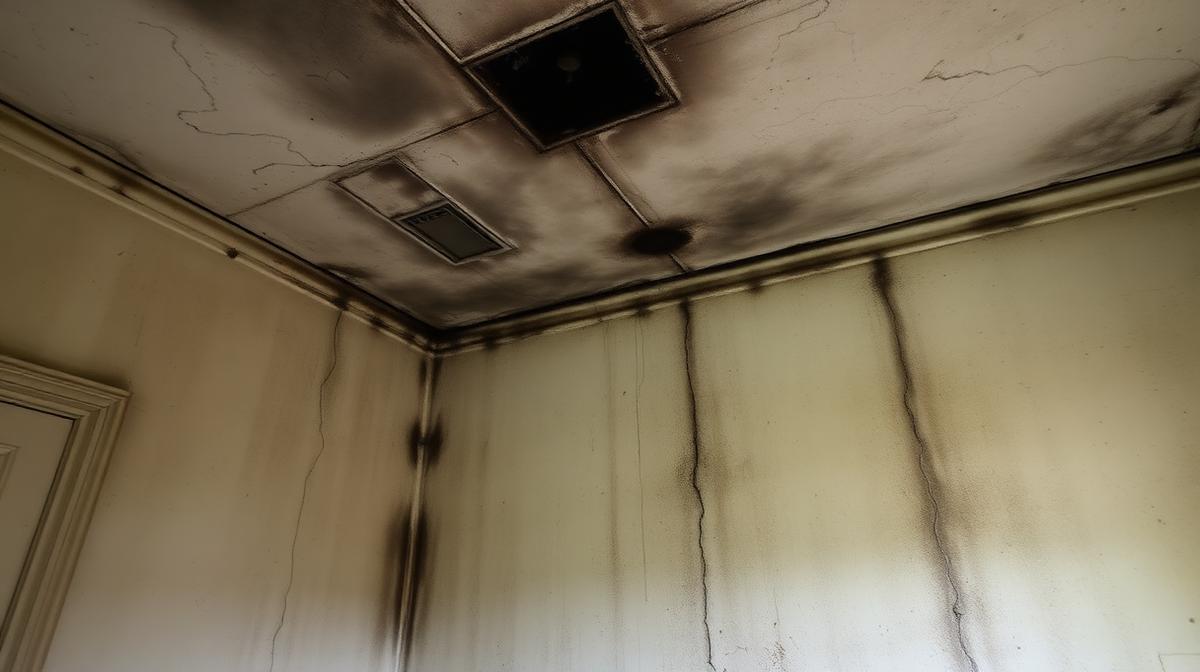
Timeline: When Each Cost Hits Your Claim
- Hour 0–4: Emergency board-up, water extraction, structural assessment ($1,500–$4,500)
- Day 1–3: Structural drying, content pack-out, demolition of non-salvageable materials ($4,000–$12,000)
- Day 4–14: Surface cleaning, HVAC remediation, deodorization ($4,000–$15,000)
- Week 3–10: Reconstruction — framing, drywall, flooring, paint ($5,000–$30,000+)
- Final week: Contents return, final cleaning, walkthrough ($500–$2,000)
For the detailed step-by-step, read our Georgia fire-related documentation process guide.
Current EmesticaCure Focus
EmesticaCure now focuses on helping homeowners compare Georgia water-damage restoration contractors. This fire article remains as a legacy educational resource and should not be treated as an offer of fire-restoration service.
For any fire contractor you contact, ask for a detailed written scope before reconstruction starts, photo documentation for the adjuster, and clear payment terms. For water-loss claims, see our insurance claim filing guide.
Frequently Asked Questions
How much can fire-related repair cost in Georgia?
Fire-related repair costs in Georgia can range from a few thousand dollars for a small contained kitchen event to $50,000+ for multi-room structural damage, depending on smoke spread and firefighting-water damage.
Does homeowners insurance usually cover fire-related damage?
Many standard Georgia homeowners policies cover fire-related structure damage, smoke, soot, and water damage from firefighting. Confirm deductibles, limits, and exclusions with your carrier.
What is often the most expensive part of fire-related repair?
Three line items often drive cost: smoke and soot decontamination of porous surfaces, contents pack-out and cleaning, and reconstruction of demolished framing, drywall, and flooring.
How fast should homeowners address fire-related damage in Georgia?
Soot is acidic and begins permanently etching glass, metal, and finishes within 24–72 hours. In Georgia's humidity, smoke odor bonds chemically to drywall and HVAC ductwork within the first week. EmesticaCure no longer presents itself as a fire-restoration provider; call qualified fire-restoration contractors directly for current availability.
What does an estimate cost?
Ask any fire-restoration contractor whether there is an inspection fee, whether you receive a written scope, and how payment or insurance billing works.
Related reading: smoke damage cleanup after a house fire · how to get smoke smell out of a house.
Related Articles You May Find Helpful
Need Help Right Now?
Phone: (470) 398-4095
✓ Directory help for Georgia homeowners
✓ Compare local water-damage contractors
✓ Contractor phones stay contractor-owned
EmesticaCure is a water damage contractor directory. Browse contractors or call (470) 398-4095 for help finding one.